
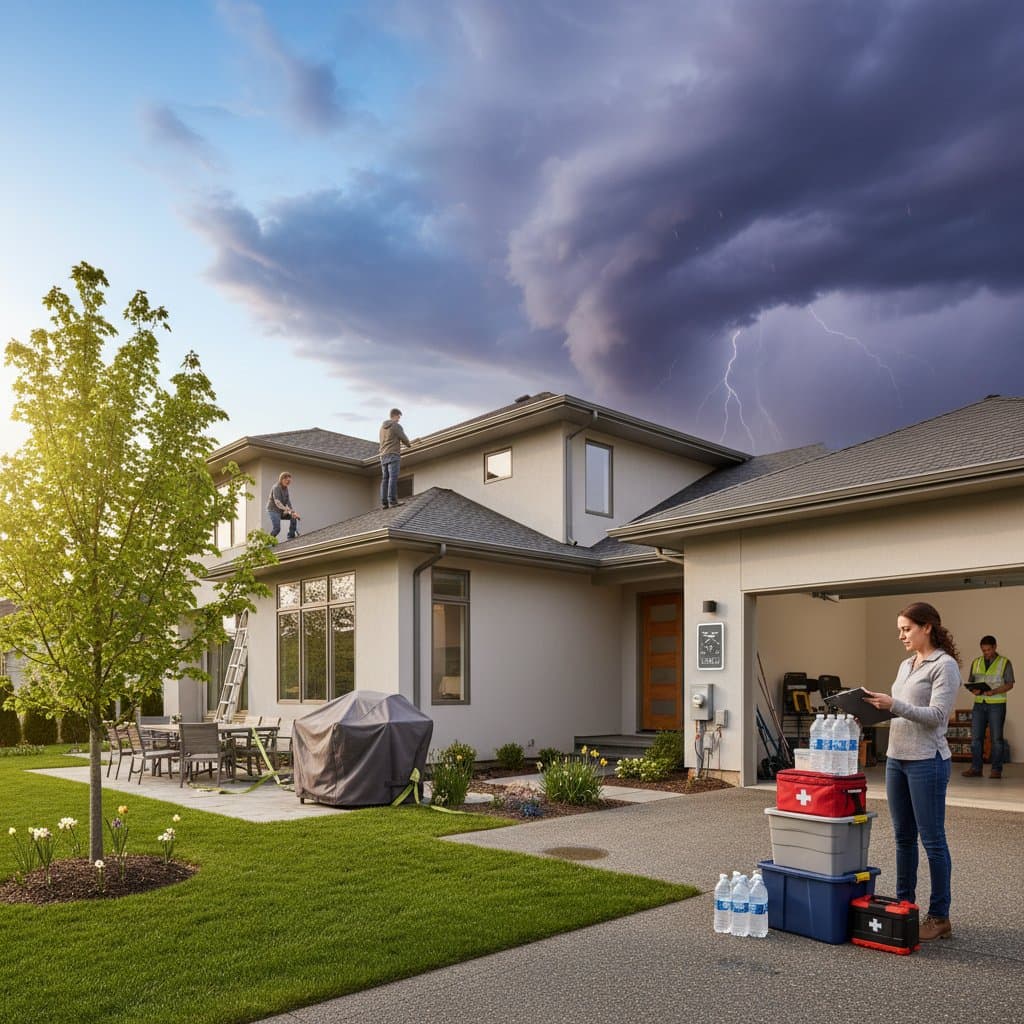
Essential Spring Storm Preparation Checklist for 2025
Spring arrives with blooming landscapes and milder temperatures, yet it also ushers in volatile weather patterns. Severe storms, including tornadoes, heavy rains, and gusty winds, pose significant threats to homes and families. Homeowners who act proactively can mitigate risks, reduce repair expenses, and maintain security. This guide provides a comprehensive checklist focused on property protection, emergency preparedness, and post-storm recovery strategies.
Assessing Spring Storm Threats
Spring storms vary widely, from brief thunderstorms to prolonged events with hail, lightning, and flooding. Common vulnerabilities in homes include structural weaknesses, electrical failures, and water intrusion. Preparation centers on three pillars: fortifying physical assets, ensuring operational continuity, and establishing robust recovery plans. By addressing these areas systematically, individuals can transform potential disasters into manageable situations.
Fortifying Utilities and Mechanical Systems
Storms exert immense pressure on a home's infrastructure, particularly electrical, plumbing, and heating components. Regular inspections and reinforcements in these domains prevent widespread disruptions and costly fixes.
Electrical Systems and Backup Power
- Examine circuit breakers and ground-fault circuit interrupters monthly; simulate a fault to verify they disengage as designed.
- Install a whole-home surge protection device through a certified electrician; models range from 300 to 600 dollars and shield sensitive equipment from voltage spikes caused by lightning.
- If equipped with a generator, inspect fuel lines, battery charge, and exhaust systems; a 5,000-watt unit suffices for powering refrigerators, lights, and medical devices during outages up to 48 hours.
Plumbing and Water Management
- Test sump pumps by filling the basin with water; activation should occur within seconds, with discharge directed at least 10 feet from the structure.
- Add a battery-operated backup to primary sump systems in flood-prone regions; these units, priced at 300 to 800 dollars, operate independently during blackouts.
- Evaluate site grading around the foundation; regrade low spots with soil to achieve a 6-inch drop over 10 feet, diverting runoff effectively.
Heating, Ventilation, and Air Conditioning
- Anchor outdoor condenser units using wind-rated brackets to withstand gusts exceeding 70 miles per hour.
- Remove leaves, dirt, and nests from vents and coils; unobstructed airflow reduces strain on indoor systems during humid storm periods.
- Swap HVAC filters quarterly; high-efficiency options enhance filtration, maintaining healthy air when sheltering indoors for extended durations.
Reviewing Insurance and Essential Documentation
Many policies fail to cover emerging risks or updated home values, leading to out-of-pocket losses after storms. A thorough audit now ensures comprehensive protection.
- Scrutinize your homeowners insurance for endorsements on wind, hail, and storm-related perils; secure separate flood policies through the National Flood Insurance Program if residing in a designated zone.
- Create a detailed inventory via video walkthroughs, capturing serial numbers, appraisals, and purchase receipts for high-value items like jewelry or electronics.
- Digitize policy details, agent contacts, and claim procedures; store them in a cloud service and print backups for your go-bag.
- Inquire with your provider about additional riders for evacuation costs or alternative accommodations, which often reimburse up to 20 percent of your dwelling coverage limit.
Addressing Potential Storm Complications
Preparation reduces incidents, but swift troubleshooting preserves integrity when issues arise. The following table outlines frequent post-storm challenges and resolutions.
| Challenge | Probable Origin | Immediate Action |
|---|---|---|
| Water accumulation at base | Blocked or inadequate downspouts | Install extensions reaching 6 to 10 feet away; clear debris from gutters promptly |
| Intermittent power surges | Moisture in electrical panels | Disconnect utilities at the main breaker; summon a qualified electrician for inspection |
| Damp smells in lower levels | Hidden leaks or humidity buildup | Activate dehumidifiers; verify sump functionality and seal cracks in walls |
| Drips near roof penetrations | Eroded seals or shifted materials | Patch with asphalt-based sealant temporarily; schedule roofer evaluation soon |
Sustaining Long-Term Home Resilience
Effective storm readiness extends beyond initial efforts; consistent upkeep fortifies defenses year-round. Integrate bi-monthly reviews into your routine: inspect roof flashing for wear, test smoke detectors alongside generators, and rotate emergency supplies like non-perishable foods and medications. These habits not only avert immediate hazards but also preserve your home's value, potentially saving thousands in future restorations. By committing to this proactive approach, homeowners gain confidence to enjoy spring's pleasures without apprehension.