
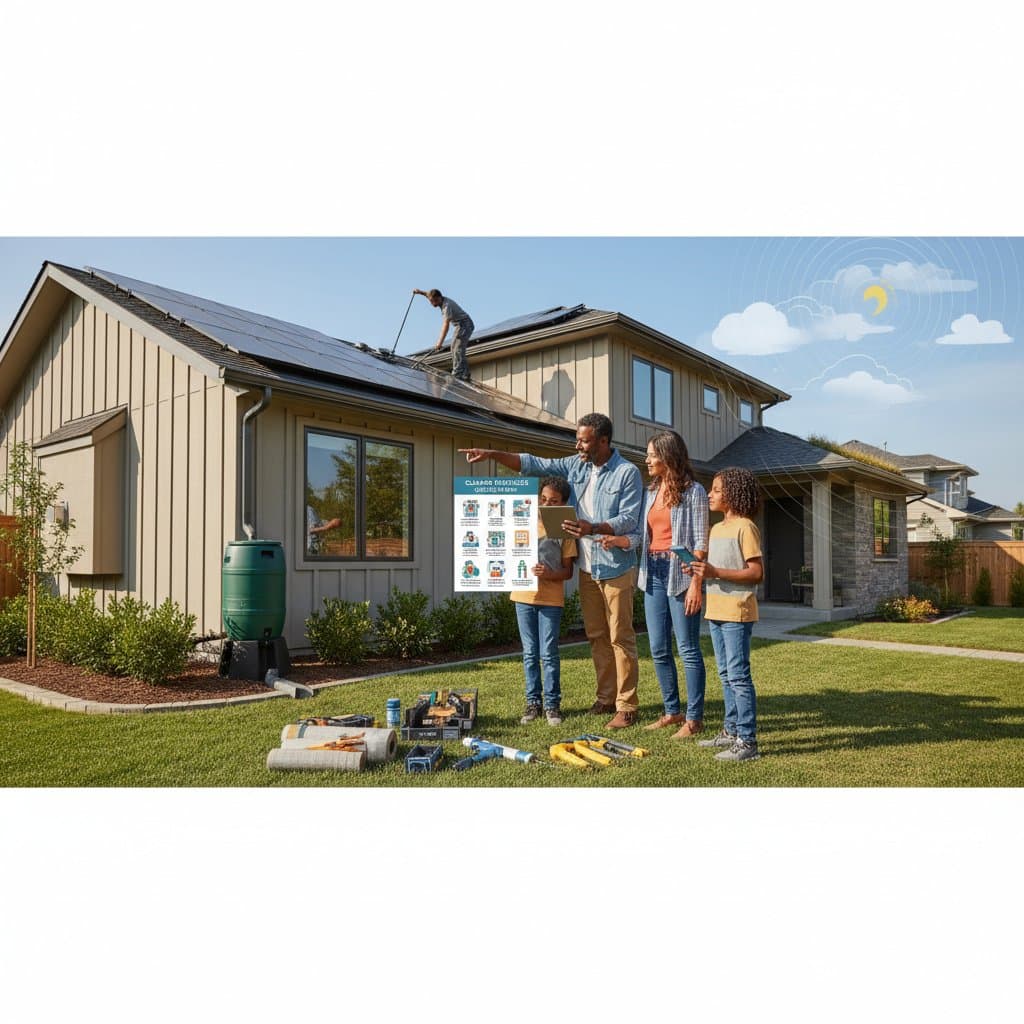
Why Proactive Weather Preparation Protects Homes from Severe Storms
Homeowners who have witnessed patio furniture scattered by fierce winds or water seeping beneath doors during heavy rains understand the rapid escalation of extreme weather into expensive disruptions. Preparation for severe storms has evolved from a suggestion to an essential strategy. This approach serves as self-directed insurance, where thorough upfront efforts reduce the need for extensive repairs, replacements, and remediation of lasting harm.
Severe weather occurrences increase in both frequency and severity, making immediate action critical to determine if a home endures the next major event intact or requires significant restoration. Fortunately, numerous weatherproofing measures prove simple, cost-effective, and suitable for do-it-yourself implementation with proper planning.
Assessing the Growing Threat of Extreme Weather
The heightened emphasis on preparation arises from observable shifts in weather patterns. Regions previously spared from hurricanes or sudden floods now encounter these events regularly. Areas prone to drought experience deluges of unprecedented volume, and coastal disturbances extend farther inland than in past decades. Consequently, nearly every homeowner benefits from evaluating current protections.
Most residences predate the integration of extreme weather resilience into standard construction practices. Roofs may lack secure fastening clips, crawl spaces might omit flood venting, and exterior siding could fail against high-velocity impacts. Early identification of vulnerabilities allows for targeted improvements that avert substantial future expenses.
1. Roof Reinforcement Strategies
Roofs represent the primary barrier against wind, rain, and debris, yet many sustain damage from uplift forces or projectile impacts during storms.
Essential upgrades:
- Install hurricane clips or straps to anchor roof trusses securely to walls, typically costing $500 to $900 for materials in a standard home.
- Apply sealants to shingles and flashing around vents, chimneys, and edges to prevent water penetration.
- Consider asphalt shingle overlays with impact-resistant ratings for added durability against hail.
These enhancements extend roof lifespan and maintain structural integrity, often qualifying for insurance discounts.
2. Window and Door Reinforcement
Ordinary windows transform into vulnerabilities when exposed to wind-driven rain and airborne objects.
Protective measures:
- Install storm shutters or apply impact-resistant film, with costs ranging from $6 to $20 per square foot based on materials.
- Renew weatherstripping and apply fresh caulk around frames to block moisture and air infiltration.
- For sliding doors, add reinforced tracks or install removable braces to prevent unintended displacement.
Beyond storm defense, these modifications enhance energy efficiency, lowering annual utility expenses for heating and cooling.
3. Drainage and Gutter Optimization
Inadequate drainage amplifies storm impacts by allowing water accumulation on roofs, foundations, and landscapes.
Preventive steps:
- Clean and inspect gutters annually, or hire professionals for $150 to $300 to ensure proper flow.
- Extend downspouts at least five feet from the foundation and install splash blocks to direct water away.
- Grade soil around the home with a slight slope to facilitate runoff, a task achievable through DIY mulching and edging.
Effective drainage systems mitigate erosion, foundation cracks, and interior flooding, preserving both aesthetics and stability.
4. Foundation and Basement Sealing
Intrusion of water through basement walls or floors ranks among the most frequent issues following storms.
Defensive actions:
- Seal minor cracks with hydraulic cement for immediate, watertight repairs.
- Coat interior walls with waterproofing paint or install a membrane for comprehensive protection.
- Equip the space with a sump pump featuring battery backup, priced between $600 and $1,500 for installation.
Such investments safeguard valuable assets like flooring, furnishings, and electronics from water-related destruction.
The Overlooked Expenses of Neglecting Preparation
Dismissing the need for readiness often stems from the assumption that severe weather spares certain locations. However, data from insurance claims reveals a stark reality: weather-induced property damage drives a leading category of filings, with average remediation costs surpassing $10,000. Minor seepages evolve into mold proliferation, electrical hazards, and progressive structural compromise.
Proactive interventions consistently prove more economical than crisis responses. For instance, applying window film may total $400 for a typical residence, whereas storm-shattered glass replacement frequently exceeds $2,000. Gutter maintenance at approximately $150 pales against $1,500 for repairing saturated fascia and siding. Garage door wind reinforcement, averaging $300, contrasts sharply with over $2,500 to replace a failed unit.
These comparisons underscore the clear advantage of advance preparation over reactive expenditure.
Prioritizing Safety in Home Upgrades
Weatherproofing efforts empower homeowners rather than instill ongoing anxiety. Knowledge of a home's response to environmental pressures enables informed planning and swift execution. Essential safety guidelines maintain project efficiency:
- Disconnect electrical power prior to tasks involving outlets or wiring in moisture-susceptible zones.
- Employ sturdy ladders and avoid ascension during wet or gusty conditions.
- Don gloves and protective eyewear when addressing cracks or removing debris.
- Consult local building regulations before undertaking structural modifications to ensure adherence.
Completion of these upgrades fosters assurance, rendering the home more robust amid intense precipitation or gales.
Allocating Funds for Lasting Resilience
Budgeting for weather preparation need not overwhelm; categorization simplifies the process. The following table outlines common expenditures:
| Project Type | Typical DIY Cost | Professional Cost | Primary Benefit |
|---|---|---|---|
| Gutter Cleaning | $0-$150 | $150-$300 | Averts water intrusion |
| Roof Reinforcement | $500-$900 | $1,000-$3,000 | Safeguards overall framework |
| Window Film/Shutters | $200-$800 | $800-$2,000 | Blocks impacts and seepage |
| Foundation Sealing | $100-$400 | $800-$2,500 | Halts sublevel flooding |
| Yard Tree Trimming | $0-$200 | $300-$1,000 | Minimizes debris risks |
For constrained finances, prioritize high-risk elements such as roofs, windows, and gutters. Implement enhancements progressively across months to achieve meaningful advancements without strain.
Expert Recommendations for Effective Implementation
Sustaining progress requires targeted advice to maximize returns on preparation efforts:
- Record all activities with photographs and invoices; insurers frequently offer premium reductions for documented upkeep.
- Verify system functionality by activating sump pumps, inspecting backup power sources, and confirming generator readiness ahead of forecasts.
- Organize emergency provisions with explicit labeling for flashlights, batteries, and medical supplies.
- Coordinate with neighbors to establish mutual alerts, enhancing collective vigilance.
- Integrate seasonal maintenance into digital calendars to uphold consistent protection.
These practices evolve preparation into a dynamic framework that secures the home across seasons.
Sustaining Security in a Prepared Residence
A fortified home translates preparation into tangible benefits, from reduced stress during alerts to preserved value over time. Regular assessments ensure adaptations to evolving threats, while integrated features like efficient drainage and sealed entries elevate everyday livability. Homeowners who invest in these measures cultivate not only safety but also a profound sense of control amid unpredictable elements.