
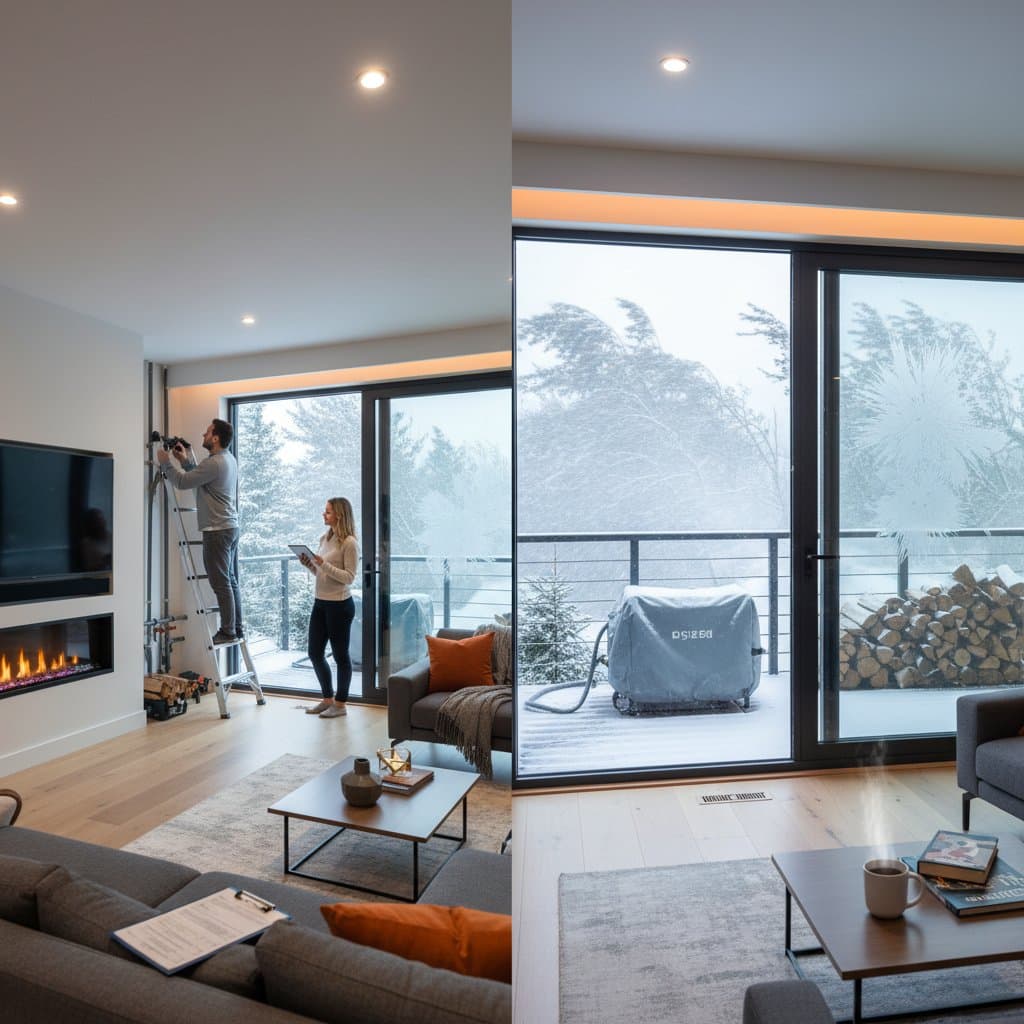
Essential Winter Preparation to Protect Your Home from Storm Damage
Winter brings icy winds and heavy snow that strain home foundations. Homeowners often prioritize indoor warmth, but exterior vulnerabilities demand attention. Preparation transforms potential disasters into manageable events, providing security and reducing repair expenses.
Key Preparation Principles
- Begin assessments in early fall to secure materials and services before demand surges.
- Target high-risk zones such as roofs, plumbing, and entryways for thorough checks.
- Allocate $350 to $1,200 for typical DIY projects, scaling with property size and chosen supplies.
- Emphasize personal safety during tasks involving heights, electricity, or hazardous materials.
- Engage professionals for complex evaluations of roofs, chimneys, and HVAC systems when expertise is limited.
Identifying Early Warning Indicators
Homes signal impending issues through visible cues. Water spots on ceilings following rain or persistent window condensation indicate infiltration paths. These signs warrant immediate action to avert winter escalation.
Conduct a perimeter walk on a dry day. Look for curling shingles, sagging gutters filled with debris, or musty basement odors. Professional roof inspections range from $150 to $400 and often reveal fixes that avoid thousands in future costs.
Indoors, test window and door frames for air movement. A detectable draft signals heat loss and moisture risks. Weatherstripping kits, priced at $25 to $50, seal gaps effectively and boost energy conservation.
Reinforcing Roofs and Gutters
Roofs endure severe winter forces from snow loads and wind gusts. Clear gutters of autumn debris to ensure proper snowmelt drainage. Blockages lead to ice dams that force water into attics and walls. Basic tools like a ladder, gloves, and hose suffice for this task; professional services cost $100 to $250.
Examine flashing around chimneys, vents, and skylights for gaps. Apply durable roofing sealant to seal cracks against freeze-thaw damage. For aging roofs, install waterproof underlayment along eaves to block ice dam penetration.
Prune branches extending within six feet of the roof. Overloaded limbs pose puncture risks during storms. Arborist services for trimming average $150 to $500, depending on tree dimensions, and enhance overall property resilience.
Insulating and Sealing the Building Envelope
Air leaks contribute to discomfort and inefficiency during cold spells. Attic insulation forms the core barrier, retaining heat and preventing uneven roof melting that fosters ice dams. Fiberglass or cellulose additions run $1.50 to $2.50 per square foot; rental blowers enable weekend DIY completion.
Seal basement and crawlspace vents as temperatures decline. Install foam boards or seasonal covers at $10 to $20 per unit to halt cold air entry that affects floors and plumbing.
Treat windows with plastic sheeting kits, secured via hair dryer for airtight adhesion. Heavy curtains or thermal liners provide additional insulation, preserving warmth through extended nights.
Safeguarding Plumbing Systems Against Freezing
Frozen pipes rank among the most disruptive winter events. Insulate exposed lines in basements, garages, and crawlspaces with foam sleeves at $1 per foot. Supplement with self-regulating heat tape in critical zones for automated protection.
For exterior faucets, close indoor shutoff valves and drain lines by opening outdoor taps. Attach foam insulating covers for further defense; total materials cost less than $20 and avert substantial plumber fees.
Sustain indoor temperatures above freezing, even during absences. Avoid drastic thermostat reductions in unused spaces. For extended trips, arrange neighbor checks or deploy smart thermostats with remote monitoring alerts.
Strengthening Windows, Doors, and Access Points
High winds target unsecured openings around entries. Renew cracked exterior caulking with silicone formulas, which withstand low temperatures better than alternatives. One tube at $6 seals multiple frames.
Install door sweeps to bar drafts and moisture under thresholds. Opt for metal-reinforced adjustable types at $15 to $25 per door for long-term performance.
In snowy regions, add storm doors or plexiglass inserts as protective layers. DIY kits begin at $150, while full installations reach $400, creating effective thermal buffers.
Inspect garage door seals for wear. Replace deteriorated strips, available for $30, using simple tools to maintain the barrier against invading cold.
Preparing Outdoor Spaces and Structures
Loose yard items become hazards in gusty conditions. Relocate furniture, pots, and tools to sheltered storage before storms arrive. Windborne objects like plastic chairs can inflict unexpected harm.
Secure fences and gates by tightening hinges and posts with brackets. This reinforcement prevents snow-induced failures after minimal effort.
Clean decks of debris to eliminate trapped moisture that promotes rot. Seal wood surfaces with water-repellent products; a gallon at $40 treats 250 square feet. Select low-VOC options to safeguard air quality during application.
Repair driveway and walkway cracks with fillers to block freeze-expansion damage. Stock pet-friendly deicers that spare concrete and plants from corrosion.
Ensuring Reliable Power and Heating
Outages during storms heighten risks in unheated homes. Portable generators start at $500, with whole-home units from $2,000 to $6,000 installed. Consult electricians to verify compliant setups.
Clean chimneys for fireplaces or stoves prior to use, at $150 to $300 professionally. This removes soot and includes fire safety assessments.
Service gas or oil furnaces by replacing filters and calibrating thermostats. Maintain a season's supply of filters to sustain optimal operation amid shortages.
Assembling Emergency Resources and Protocols
Comprehensive kits prepare for outages or isolations. Gather flashlights, batteries, water, shelf-stable foods, blankets, and medical supplies in a sealed container for quick access.
Favor battery lanterns over open flames to minimize fire dangers. Keep portable chargers ready for communication during blackouts.
In flood-prone areas, equip with battery-backed sump pumps at $200 to $400 to manage water intrusion.
Develop family protocols, including rally points and contact lists, for coordinated responses to evacuations or disruptions.
Post-Storm Inspections for Sustained Protection
Vigilance extends beyond initial preparations. After storms, clear ice from gutters and downspouts promptly. Shovel snow from decks and low-slope roofs with plastic tools to preserve surfaces.
Monitor basements for moisture and deploy dehumidifiers as necessary. These routines preserve investments and reinforce homeowner confidence.
Preparation yields tangible benefits: reduced bills, fewer emergencies, and a resilient home that withstands seasonal trials.