
DIY Versus Professional: The Safer Approach to Aging-in-Place Remodels
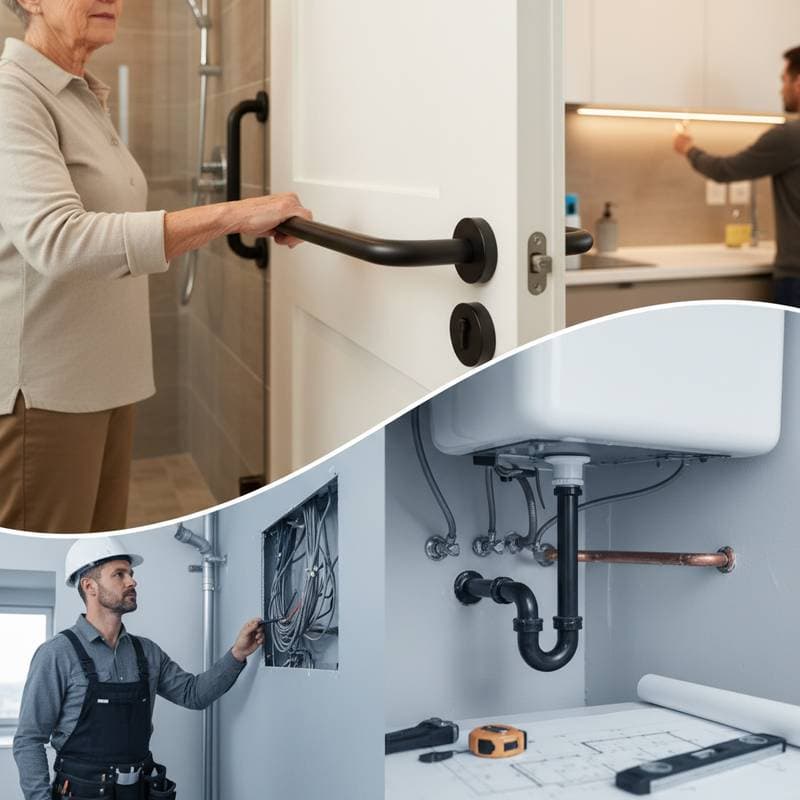
Determining the appropriate balance between do-it-yourself efforts and professional assistance in aging-in-place remodels requires clear boundaries focused on safety. Certain enhancements qualify as manageable weekend tasks that promptly elevate comfort and accessibility. Other modifications demand expert intervention to adhere to building codes, mitigate injury risks, and preserve the home's structural integrity and value. Identifying these distinctions proves essential for effective project execution.
Essential Considerations
- Straightforward DIY options, including grab bars, lever handles, and lighting improvements, serve as accessible entry points.
- Professional expertise remains indispensable for structural alterations, bathroom waterproofing, and modifications to electrical or plumbing systems.
- Expenses vary significantly, from several hundred dollars for basic DIY initiatives to tens of thousands for comprehensive home adaptations.
- Obtaining permits, undergoing inspections, and confirming insurance coverage prove vital for safeguarding long-term protection and enhancing resale potential.
Accessible DIY Enhancements for Immediate Impact
Select improvements emphasize ease of implementation over technical complexity, allowing homeowners to initiate aging-in-place modifications with minimal interruption and cost. These projects focus on high-impact areas that address common mobility challenges.
1. Lighting and Visibility Improvements
- Cost: 50 to 400 dollars, based on fixture selections
- Timeframe: One weekend
- Skill Level: Beginner
Exchange outdated bulbs for high-lumen, energy-efficient LED options to illuminate pathways effectively. Incorporate motion-activated night lights in corridors, bathrooms, and entryways to facilitate safe navigation during low-light conditions. Enhanced illumination significantly lowers the probability of falls and instills greater assurance in nighttime mobility. Should existing wiring appear antiquated or compromised, consult a licensed electrician prior to installing additional fixtures to prevent hazards.
2. Installation of Grab Bars and Handrails
- Cost: 30 to 200 dollars per unit
- Timeframe: One afternoon
- Skill Level: Intermediate
Position grab bars adjacent to toilets, within shower enclosures, and along staircases to provide reliable support during transfers. Anchor these fixtures securely into wall studs using corrosion-resistant stainless steel screws, avoiding reliance on drywall alone. Verify stability through rigorous testing before use. For walls featuring tile or plaster surfaces, professional assistance may prevent damage such as cracks or inadequate securing.
3. Lever Handles and Smart Lock Systems
- Cost: 100 to 500 dollars for a complete home installation
- Timeframe: One day
- Skill Level: Beginner
Opt for lever-style handles on doors and faucets, which demand less grip strength and prove advantageous for individuals with arthritis or reduced dexterity. These replacements simplify operation compared to traditional round knobs. Integrate smart locks equipped with keypad or smartphone compatibility to eliminate key fumbling and enable remote monitoring by caregivers. Select units that include mechanical backup keys to address potential power failures.
4. Flooring Adjustments for Slip Resistance
- Cost: 150 to 1,000 dollars, influenced by material choices
- Timeframe: One to two days
- Skill Level: Intermediate
Eliminate elevated thresholds and irregular transitions between rooms to create seamless pathways. Place non-slip mats strategically in kitchens, bathrooms, and high-traffic zones. When undertaking full flooring replacements, prioritize low-pile carpeting or vinyl with textured surfaces to maximize traction. Steer clear of polished tiles, which pose increased slip dangers in moist environments.
Financial Planning and Return on Investment
Aging-in-place remodels offer substantial long-term value in residential enhancements by prioritizing sustained independence over immediate aesthetic appeal. Prudent financial oversight ensures projects align with personal needs and resources.
Breakdowns typically include:
- Basic modifications, encompassing grab bars, lighting upgrades, and lever handles, aggregate under 2,000 dollars.
- Moderate undertakings, such as bathroom adaptations or integration of smart home technologies, range from 8,000 to 15,000 dollars.
- Extensive whole-home transformations may exceed 40,000 dollars, contingent upon property dimensions and selected materials.
The economic advantages extend beyond initial outlays, as these investments avert expenses associated with assisted living facilities and sustain property equity. Insurance providers and health organizations increasingly view accessibility features as proactive measures against future care needs. Additionally, certain municipalities provide tax incentives or favorable financing options for such renovations; research local programs to identify applicable support prior to commencement.
Strategies for Effective Implementation
Approach aging-in-place projects with deliberate planning to maximize outcomes and minimize setbacks.
- Initiate with modest DIY efforts to gauge personal capabilities and preferences before advancing to more complex renovations.
- Coordinate multiple tasks during professional visits; for instance, if engaging a plumber for shower modifications, request simultaneous adjustments to toilet elevation or fixture positioning.
- Prioritize materials that emphasize longevity and safety features, such as matte surface finishes, grip-enhanced tiles, and edges with rounded profiles to reduce injury risks.
- Time installations according to seasonal conditions, reserving interior work for inclement weather periods and exterior elements like ramps for favorable outdoor climates.
- Conduct annual evaluations of requirements, as physical needs change over time, and perform routine maintenance to sustain the efficacy of installed features.
Sustaining Accessibility Over Time
Long-term success in aging-in-place remodels hinges on ongoing vigilance and adaptation. Regularly inspect installed elements for wear, such as loosening grab bars or dimming lights, and address issues promptly to maintain safety standards. Consult with aging-in-place specialists periodically to refine the home environment in response to evolving health considerations. This proactive stance not only extends the usability of modifications but also reinforces the home as a resilient foundation for independent living.