
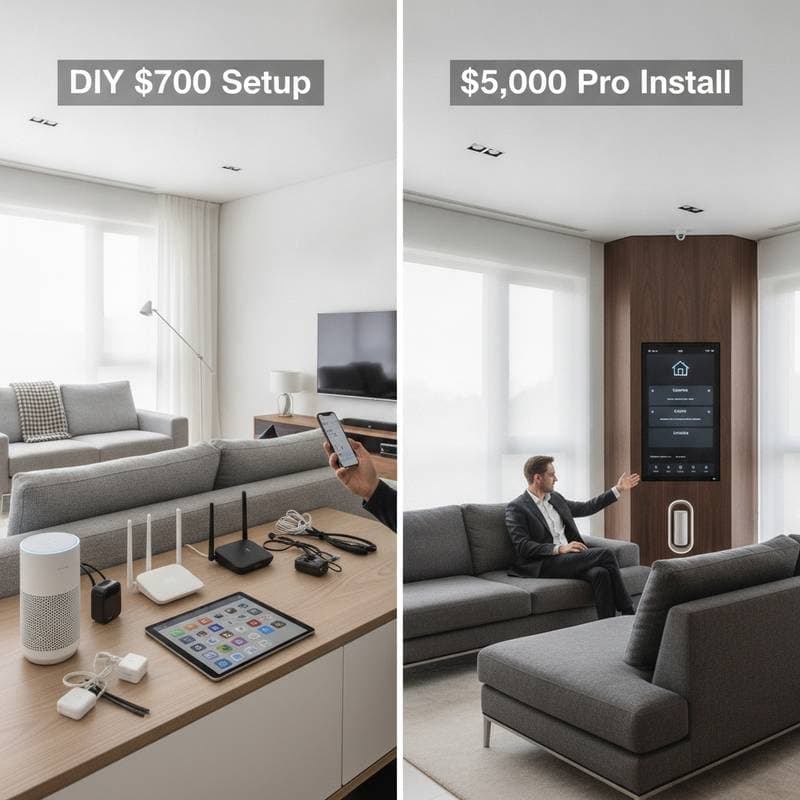
Comparing DIY and Professional Smart Home Installations
When you first imagine your home responding to your voice, adjusting the thermostat, or locking the doors automatically, it feels futuristic yet entirely achievable. The question that quickly follows is whether you should handle the installation yourself or hire a professional. The answer depends on how you balance cost, reliability, and your comfort with technology.
Setting up a smart home can be an empowering weekend project or a long-term investment in convenience and security. The difference lies in who does the wiring, configuration, and troubleshooting.
The Allure of DIY Smart Home Projects
It often starts with one device, maybe a smart speaker or a Wi-Fi light bulb. You install it, discover how easy it is to control, and suddenly you are planning to connect the thermostat, doorbell, and security cameras. DIY setups appeal to many homeowners because they offer immediate gratification and flexibility.
You can start small, learn as you go, and spread the cost across several months. A basic DIY smart home starter setup might include a smart speaker or hub for 50 to 150 dollars, a smart thermostat for 120 to 250 dollars, smart plugs or bulbs for 10 to 40 dollars each, and a Wi-Fi security camera for 60 to 200 dollars. Altogether, you can build a functional entry-level system for around 300 to 600 dollars, depending on how many devices you integrate.
The installation time for most devices ranges from 15 minutes to an hour each, assuming your Wi-Fi connection is strong and your smartphone app is up to date. The satisfaction of completing a DIY setup is real. You learn how each device communicates, gain control over your home energy use, and can troubleshoot problems without waiting for a technician.
Where DIY Starts to Struggle
As your system expands, complexity often increases. Devices may disconnect, automations might fail, and compatibility issues can appear unexpectedly. A smart light might not respond to a voice command because the hub firmware needs an update, or your security camera might lag due to network congestion.
While these issues rarely require professional intervention, they do demand time and patience. DIY systems also rely heavily on your home network. If your Wi-Fi signal is weak or your router is outdated, performance will suffer.
Many homeowners underestimate how many connected devices their network can handle. Upgrading to a mesh Wi-Fi system can solve many problems, but that adds another 150 to 400 dollars to your total cost. In short, DIY setups are cost-effective but can become unreliable when scaled beyond a few devices.
The Case for Professional Smart Home Installation
Hiring a certified home automation contractor changes the equation. Professionals design systems that integrate lighting, climate control, entertainment, and security into a single, unified platform. They assess your wiring, Wi-Fi coverage, and device placement to ensure long-term reliability.
Professional installations often include products from brands like Control4, Lutron, or Savant, which are engineered for stability and seamless integration. The cost reflects that level of reliability. A professionally installed smart home system typically starts around 2000 to 5000 dollars for smaller homes and can exceed 10000 dollars for full-home automation with custom programming.
Installation can take one to three days, depending on complexity and system size. The biggest advantage is consistency. A professional ensures that all devices communicate properly, security settings are configured, and backups are in place.
Balancing Cost and Reliability for Your Lifestyle
The real decision point is not just about money, but about how you want to interact with your home. If you enjoy tinkering, adjusting settings, and experimenting with new gadgets, DIY gives you full control. You can upgrade gradually, test new products, and learn valuable skills along the way.
If you prefer a more polished experience and want to minimize troubleshooting, professional installation offers peace of mind. You pay more upfront, but you gain a system that works reliably from day one and stays consistent over time. A hybrid approach is also possible.
Many homeowners start with DIY devices and later hire professionals to integrate them into a more cohesive system. For example, you might manage your own smart lighting but hire an installer to connect your security cameras and climate system to a central hub.
Safety and Technical Considerations
Before deciding, it is essential to recognize where DIY should stop. Any project involving electrical wiring, circuit panels, or structural modifications should be handled by a licensed electrician or home automation specialist. Incorrect wiring can void warranties or even create fire hazards.
For projects that require drilling or mounting hardware, check for hidden studs, insulation, or wiring before installation. Use manufacturer-approved accessories and keep your devices updated to prevent security vulnerabilities.
Maintaining Your Connected Home
Smart homes evolve quickly. Firmware updates, new device models, and improved energy management tools appear regularly. DIY owners must stay engaged with these updates, ensuring that each component remains compatible.
Professionally installed systems usually include maintenance packages or remote monitoring, reducing the burden on homeowners. This can be particularly valuable for vacation homes or properties with complex automation routines. Begin with a single device to confirm network stability before expanding further.