
Higher Efficiency Expectations
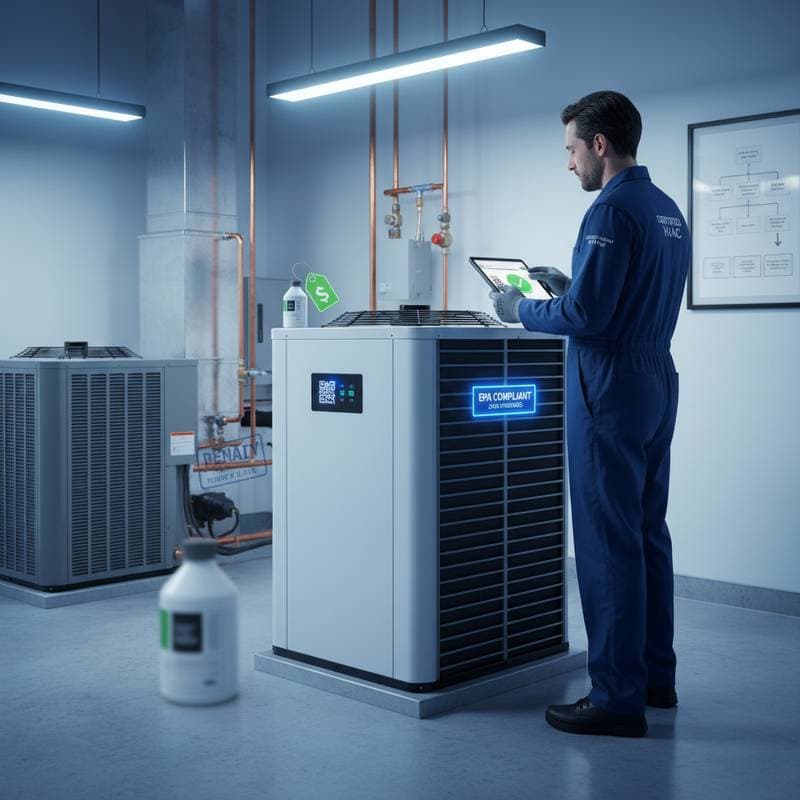
The 2026 EPA regulations introduce stricter energy performance benchmarks for HVAC systems. Units that fall short of these standards risk disqualification from rebates and incentives. Homeowners face the prospect of diminished system longevity and increased operational expenses.
Systems that do not meet updated energy performance standards may lose resale value or fail inspection during home sales. Ignoring these shifts could mean paying thousands more in reactive repairs or facing forced equipment upgrades under noncompliance penalties.
To address this, conduct an energy audit to evaluate your current setup against forthcoming requirements. Certified professionals can recommend adjustments, such as variable-speed compressors, that enhance efficiency without full replacement.
How Noncompliance Affects Home Value
Real estate transactions increasingly factor in mechanical efficiency and regulatory status. A home with an outdated system may appear less attractive to buyers, especially if the HVAC unit is flagged for noncompliance or uses discontinued refrigerants.
Potential consequences include lower appraised value due to outdated mechanical systems, delayed closings while HVAC documentation is verified, and required upgrades before sale completion.
Appraisers now scrutinize HVAC compliance as part of overall property condition. Properties with noncompliant systems often receive deductions of 1 to 3 percent in valuation. Buyers, wary of future retrofit costs, may negotiate lower offers or withdraw entirely.
For homeowners planning to sell in the next few years, proactive compliance offers a competitive edge. A modern, regulation-ready HVAC system signals energy efficiency and low future maintenance costs, both of which appeal to buyers. Document upgrades with receipts and certifications to demonstrate value during showings.
The Long-Term Payoff of Compliance
While the upfront expense of upgrading or modifying your HVAC system can feel daunting, the long-term savings are tangible. Systems using new refrigerants operate more efficiently, reducing monthly energy costs by 10 to 30 percent.
Homeowners also gain peace of mind knowing their systems will remain serviceable for years without risk of penalties or part shortages. Extended warranties and rebate eligibility further stretch your investment value.
Consider the cumulative impact: a compliant system might qualify for utility rebates up to $1,500, offsetting installation costs. Over a decade, energy savings alone could exceed $2,000 in moderate climates. Moreover, compliant homes align with green building trends, potentially increasing marketability by 5 percent or more.
Integration with smart thermostats amplifies these benefits, allowing precise control that minimizes waste. Professionals can integrate zoning capabilities to direct cooling where needed, enhancing overall efficiency.
Troubleshooting Common Issues During Transition
Even proactive homeowners can encounter challenges as the industry adjusts. Here are typical problems and their solutions.
Service Delays
With new certification requirements, technician availability may tighten. Book maintenance visits early, especially before seasonal demand peaks.
To mitigate, establish a relationship with a local HVAC contractor certified in the new standards. Schedule annual tune-ups now to build priority status and familiarize them with your system.
Limited Replacement Parts
Older system components may become scarce. Keep a record of your unit's make, model, and serial number so technicians can source compatible parts more easily.
Inventory essential filters and belts in advance. For phased transitions, opt for hybrid kits that adapt existing units to new refrigerants, preserving functionality while awaiting full upgrades.
Unclear Documentation
Many homeowners are unaware of their system's refrigerant type. Locate the information on your outdoor condensing unit's nameplate or contact the manufacturer directly.
Create a dedicated file for all HVAC records, including installation dates and service history. Digital photos of labels ensure quick access during consultations or sales processes.
Unexpected Cost Increases
Refrigerant and part prices fluctuate as availability changes. Ask your service provider for written estimates and explore maintenance agreements that lock in pricing for a set period.
Compare quotes from multiple providers and inquire about bulk purchase options for refrigerants. Government programs may subsidize costs for low-income households, so verify eligibility through local energy offices.
Steps to Prepare Your HVAC System
Homeowners who prepare now will avoid the frantic rush once new rules take full effect. Follow this plan to get ahead.
- Book a compliance inspection with a certified HVAC technician to assess your system's readiness.
- Create a transition plan identifying when your current system may need replacement or modification, based on age and usage.
- Review financing and rebate options for energy-efficient systems through federal and state programs.
- Document all refrigerant usage and keep it accessible for future verification by service providers or inspectors.
- Prioritize maintenance to extend lifespan and avoid emergency replacements, focusing on coil cleaning and leak checks.
By approaching this shift methodically, you protect your comfort, your budget, and your home's long-term value. The cost of staying informed and proactive is far lower than the financial strain of catching up later.