
Prepare Your Home for Summer Comfort
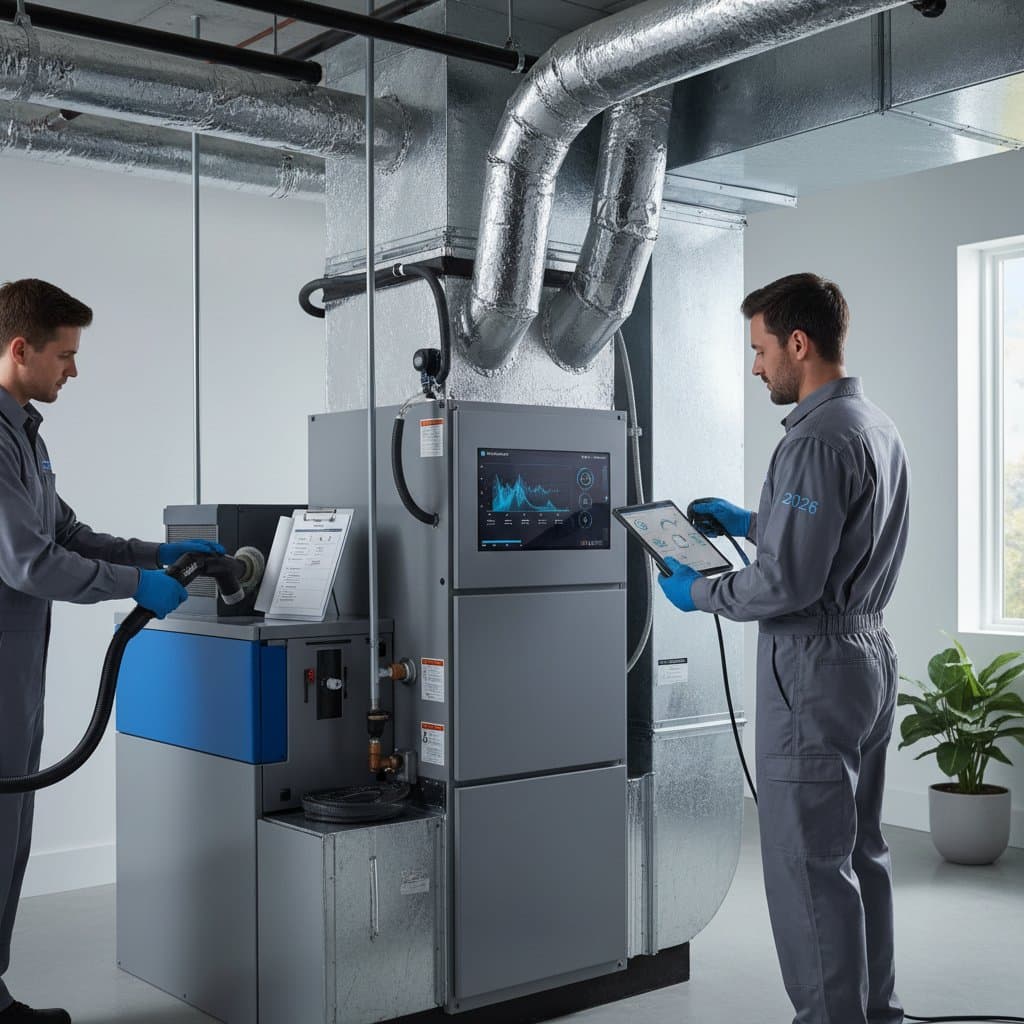
Spring HVAC tune-ups provide essential preparation for the demands of summer heat. Homeowners who prioritize this maintenance enjoy cleaner indoor air, reduced energy costs, and consistent cooling performance. Without it, systems face strain from accumulated winter debris, leading to inefficiency and unexpected failures.
Schedule a tune-up during spring to address these issues proactively. Technicians inspect and clean components before the cooling season begins, ensuring optimal operation. This approach not only enhances comfort but also safeguards health and finances throughout the year.
Enhance Indoor Air Quality Through Maintenance
HVAC systems influence the air quality within your home more than most realize. During winter, dust, pet dander, and other particles accumulate in ducts and filters. A spring tune-up removes these contaminants, preventing their recirculation and reducing allergy triggers.
Consider the impact on vulnerable household members. Children and individuals with asthma benefit from systems that filter out pollen and mold effectively. Professional cleaning replaces or upgrades filters to capture finer particles, maintaining air that supports respiratory health.
Neglected units can exacerbate seasonal allergies, especially as outdoor pollen peaks in spring. Regular maintenance ensures vents and coils stay free of buildup, promoting a fresher environment. Homeowners report fewer symptoms after implementing consistent tune-ups.
Simple DIY Preparations for Optimal Performance
Before a professional arrives, complete these straightforward tasks to support your HVAC system. Such preparations clear minor blockages and allow technicians to focus on complex diagnostics.
- Vacuum the interior surfaces of air vents and registers thoroughly to eliminate visible dust and debris.
- Remove leaves, branches, and dirt from around the outdoor condenser unit, ensuring at least two feet of unobstructed space on all sides.
- Examine accessible duct sections for signs of detachment or damage, sealing small gaps with appropriate tape if needed.
- Inspect and replace air filters if they appear soiled, or clean reusable ones according to manufacturer guidelines.
- Verify thermostat functionality by replacing batteries and adjusting settings to align with your daily routine.
These actions improve airflow immediately and extend the effectiveness of the professional service. Perform them monthly during peak seasons for sustained benefits.
Recognize Signs That Demand Expert Intervention
While basic upkeep falls within homeowner capabilities, certain symptoms signal the need for professional expertise. Addressing them promptly avoids escalation into major repairs.
Contact a licensed technician if the system produces unusual sounds, such as grinding from the blower or rattling from loose parts. Uneven temperatures across rooms suggest duct leaks or thermostat malfunctions. Rising utility bills without changes in usage often indicate reduced efficiency from dirty coils or low refrigerant levels.
Odors emanating from vents may point to mold growth or electrical problems. Weak airflow persists even after filter changes could stem from fan motor issues. Professionals use diagnostic tools to identify and resolve these concerns safely, restoring full functionality.
Prioritize Safety and Regulatory Standards
HVAC maintenance extends beyond efficiency to encompass critical safety measures. Electrical wiring in the unit requires checking for wear that might lead to fires or shocks. For gas furnaces, technicians test for leaks to eliminate carbon monoxide risks.
Compliance with local codes ensures your system operates within legal parameters. Many jurisdictions mandate minimum efficiency ratings and proper ventilation. Failure to maintain these standards can complicate home sales or void insurance protections.
Retain service records from tune-ups as proof of diligence. These documents validate warranties and demonstrate responsible ownership during inspections. Annual professional checks align your setup with evolving regulations, providing peace of mind.
Integrate Additional Strategies for Superior Air Purity
HVAC tune-ups form the foundation, yet complementary measures elevate overall air quality. Implement these enhancements to target specific pollutants and environmental factors.
Install a whole-home air purifier that integrates with your ducts to trap ultrafine particles beyond standard filter capabilities. Deploy a dehumidifier in humid areas to keep moisture levels low, inhibiting mold and mildew proliferation. UV light systems within the ductwork disinfect air by breaking down microbial DNA.
Regular vacuuming with HEPA-equipped machines captures allergens from floors and upholstery. Monitor and adjust indoor humidity to the ideal 40 to 50 percent range using hygrometers. Combine these practices with HVAC care for comprehensive protection against airborne threats.
Secure Long-Term Value and Reliability
Investing in spring HVAC tune-ups yields enduring returns on your home's largest mechanical asset. Efficient systems consume less energy, translating to predictable bills and reduced environmental impact. Extended lifespan means fewer replacements, preserving your budget for other priorities.
Well-maintained units operate with minimal noise, enhancing daily living. They deliver balanced cooling, eliminating hot spots and drafts. Homeowners who commit to this routine experience fewer disruptions and greater control over their indoor climate.
Ultimately, these efforts foster a healthier living space. Cleaner air supports well-being, while reliable performance ensures comfort year-round. Schedule your tune-up today to unlock these advantages and enjoy a worry-free summer.