
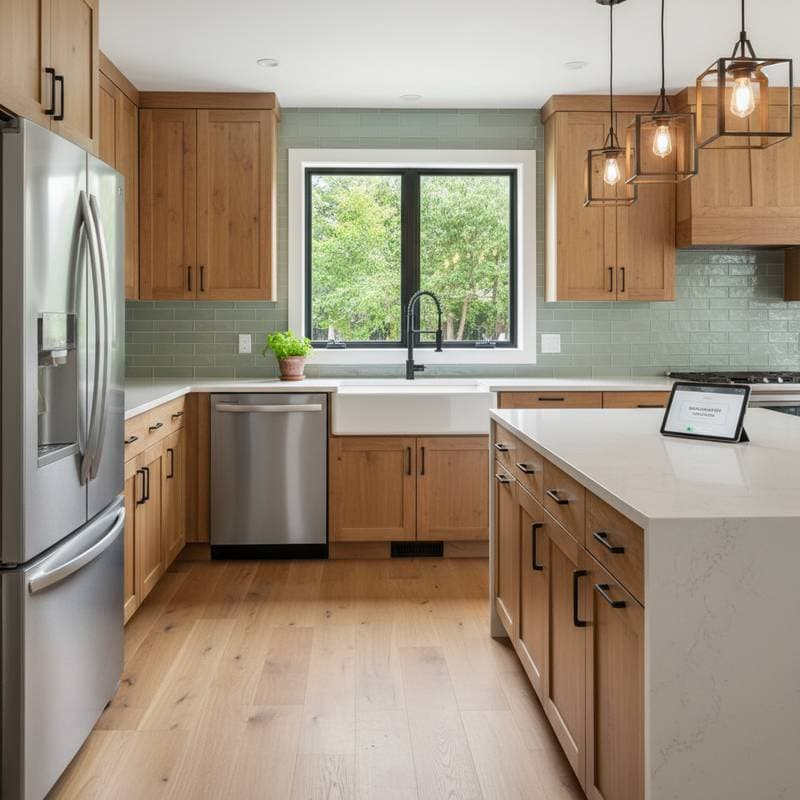
2025 Kitchen Remodels That Boost Home Value Most
Consider a typical morning in your kitchen. You switch on the light and notice worn counters or outdated cabinets that no longer suit your needs. This central gathering space deserves updates that enhance daily functionality and increase property value. Thoughtful remodels focus on practical enhancements with wide appeal to potential buyers.
Certain projects yield superior returns on investment. Homeowners benefit from selecting upgrades that merge utility, aesthetics, and sustainability. The following sections detail high-impact options for 2025.
Key Points
- Mid-range kitchen remodels provide optimal returns compared to extensive overhauls.
- Sustainable materials and energy-efficient appliances draw environmentally aware buyers.
- Enhanced storage solutions and lighting designs elevate usability and market perception.
- Surface-level refreshes outperform complete rebuilds in cost-effectiveness.
High-Return Kitchen Projects
1. Cabinet Refacing Instead of Replacement
Full cabinet replacement demands significant expense and disrupts the home for weeks. Refacing preserves the existing framework while replacing doors, drawer fronts, and veneers. Budget six thousand to fifteen thousand dollars based on kitchen dimensions and selected finishes.
This approach delivers a refreshed appearance with minimal waste. It appeals to eco-minded purchasers who value resource conservation. Choose neutral tones or subtle wood grains to accommodate diverse tastes, ensuring broad resale potential.
2. Countertop Upgrades That Balance Beauty and Durability
Select countertops that withstand heavy use while enhancing visual appeal. Materials such as quartz, recycled glass, or butcher block fit mid-range budgets at fifty to one hundred dollars per square foot, including installation.
Quartz excels in resistance to stains and scratches, requiring little upkeep. Recycled glass introduces unique patterns and supports green initiatives. For added interest in compact layouts, combine quartz for primary surfaces with butcher block on islands to introduce natural texture.
3. Energy-Efficient Appliance Packages
Updating appliances modernizes the kitchen and signals efficiency to buyers. A full suite of Energy Star-rated models ranges from three thousand to eight thousand dollars. These choices lower energy consumption and appeal through reduced operating costs.
Prioritize stainless steel or matte black exteriors for timeless style. Panel-ready designs integrate seamlessly with cabinetry, creating a custom feel. Verify certifications to confirm performance standards and long-term reliability.
4. Improved Lighting Layouts
Effective lighting transforms the kitchen's atmosphere and usability. Implement layered systems with recessed ceiling lights, under-cabinet LED strips, and pendant fixtures over key areas. Allocate one thousand to three thousand dollars for a comprehensive setup.
LED options reduce electricity use and extend lifespan. Adjustable dimmers allow customization for cooking, dining, or entertaining. This upgrade amplifies the perceived quality of surrounding elements like counters and backsplashes.
5. Open Shelving and Smart Storage
Incorporate open shelving sparingly to showcase curated items, paired with enclosed cabinets for practicality. This design opens up visual space in modest kitchens. Add features such as pull-out pantries, soft-close drawers, and integrated waste bins.
Invest one thousand to two thousand dollars in hardware and organizers. These elements streamline workflows and impress during property tours. Measure existing spaces precisely to ensure custom fits that maximize every inch.
Flooring That Balances Style and Practicality
Floors endure spills, drops, and foot traffic, demanding resilient choices. Luxury vinyl plank or engineered hardwood mimics premium wood with superior water resistance. Porcelain tile imitates stone patterns for enduring elegance.
Installation costs five to twelve dollars per square foot. Select tones that extend into adjoining rooms for seamless transitions. This cohesion enlarges the perceived footprint, particularly in open-concept homes.
Professional vs. DIY Considerations
Many remodel tasks suit skilled homeowners, yet others necessitate experts. Manage painting, backsplash tiling, and hardware swaps independently to control costs. Delegate electrical wiring, plumbing adjustments, and structural changes to certified professionals for compliance and safety.
Blend approaches strategically: perform demolition and finishing touches yourself, then hire for specialized fabrication. Obtain detailed quotes to identify savings opportunities. Compare multiple bids by reviewing line-item breakdowns.
Pro Tips for Success
- Sequence tasks logically: Address plumbing and electrical before cosmetic finishes to avoid rework.
- Build in a contingency fund: Allocate ten to fifteen percent of the budget for surprises like subfloor repairs.
- Maintain records: Store receipts and warranties to support resale claims and ease upkeep.
- Choose enduring elements: Opt for classic palettes over fleeting fads to preserve versatility.
- Preview illumination effects: Install temporary fixtures to assess color rendering on materials.
Maximizing Daily Enjoyment and Resale Potential
After completion, the kitchen evolves into a vibrant hub. Fresh surfaces invite experimentation with recipes, while efficient layouts simplify routines. These investments yield ongoing pleasure for residents and competitive edges for sellers.
Sustainable, functional upgrades position the home favorably in 2025 markets. Homeowners gain spaces that inspire and appreciate, blending immediate utility with future financial benefits.