
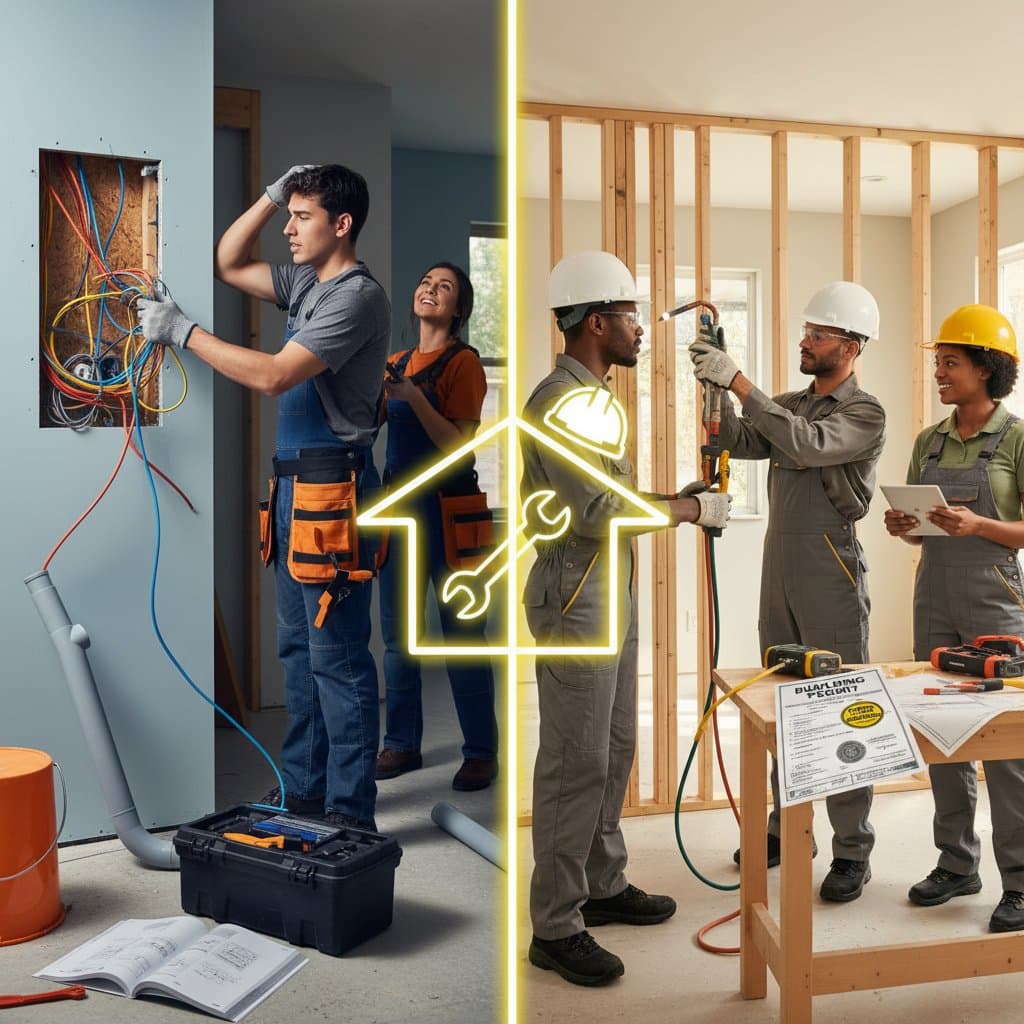
The Hidden Costs of Skipping Permits
Homeowners often bypass permits in pursuit of expediency or cost savings, yet such decisions frequently lead to greater expenses down the line. Local authorities may mandate the removal of walls or reversal of completed installations to facilitate inspections. During property sales, undisclosed unpermitted alterations can prompt contract renegotiations, transaction delays, or outright denials of financing.
Municipal penalties for violations include substantial fines, and jurisdictions may withhold future permits until issues receive resolution. Insurance providers frequently reject claims arising from unpermitted or substandard work. Consider a scenario where a fire originates from an amateur electrical installation; the absence of professional oversight could void coverage, transforming a modest endeavor into a costly ordeal.
Determining Permit Requirements
Building code enforcement agencies generally mandate permits for modifications to mechanical, electrical, plumbing, or structural elements. Superficial updates, such as applying paint, laying new flooring, or mounting cabinets, seldom trigger these obligations. A practical guideline involves contacting the local building department prior to initiating any project that impacts safety mechanisms or overall structural integrity.
Common project types that necessitate permits include the following:
- Alterations to load-bearing walls, such as additions or removals
- Expansions or reconfigurations of electrical wiring and service panels
- Relocations, additions, or replacements of plumbing fixtures and pipes
- Installations or modifications to heating, ventilation, and air conditioning units, including duct systems
- Full replacements of roofing materials or exterior siding
- Construction of decks, room additions, or detached structures like sheds
Permit costs vary by location and project scale, typically spanning $50 to several hundred dollars based on estimated value. These fees represent an investment in regulatory assurance and liability protection.
Projects Suitable for DIY Efforts
Numerous home enhancements fall squarely within the capabilities of skilled homeowners, obviating the need for professional intervention. Tasks like interior painting, outdoor landscaping, affixing trim moldings, or exchanging standard light fixtures pose minimal regulatory hurdles when executed with precision. More involved pursuits, including ceramic tile laying, hardwood floor installation, or kitchen cabinet assembly, prove feasible for those adhering strictly to instructional manuals and safety protocols.
Focus remains on achieving high-quality results and personal safety rather than formal compliance. Select appropriate tools for the job, don protective equipment such as gloves and goggles, and consult product specifications meticulously. Such practices minimize errors and enhance project outcomes without inviting legal complications.
Verifying Contractors for Compliance and Quality
Engaging qualified professionals demands diligence to avoid pitfalls. Follow these structured steps to confirm credentials and maintain adherence to regulations.
-
Validate Licensing: Request the contractor's state or county license number and cross-check its status via the appropriate governmental oversight body. Valid licenses indicate current insurance and bonding arrangements.
-
Examine Coverage Details: Obtain documentation verifying general liability insurance and workers' compensation policies. These safeguards shield property owners from financial responsibility in the event of on-site injuries or damages.
-
Secure Permit Documentation: Insist that the contractor obtains and files permits for all applicable work, with your property details accurately listed. Homeowners should never assume this responsibility for licensed projects.
-
Oversee Inspection Processes: Ensure inspections occur at key milestones, such as rough-in stages for plumbing or electrical. Retain duplicates of all passed inspection records for future reference.
-
Obtain Completion Certificates: Upon final approval, procure a signed permit closure or occupancy certificate. This paperwork proves essential for insurance updates and real estate disclosures.
Identifying Signs of Noncompliant Work
Inherited properties or hastily managed renovations sometimes harbor unresolved code violations. Remain vigilant for these indicators of potential issues:
- Absence of permit records or inspection seals on critical installations like electrical panels or HVAC units
- Recently completed areas lacking approval documentation or visible compliance markers
- Electrical setups featuring unlabeled breakers, outdated wiring, or circuits exceeding capacity limits
- Plumbing configurations with incompatible piping materials, missing vents, or improper drainage slopes
- HVAC installations lacking adequate space around units or unsealed duct joints
- Structural elements like decks showing sagging supports, inadequate foundations, or irregular alignments
Upon detecting such concerns, engage a certified home inspector for a thorough evaluation. Retroactive permitting processes, known as permits after the fact, allow correction of deficiencies to achieve current code standards, though they often incur additional fees and inspections.
Securing Lasting Value Through Compliant Improvements
Discerning homeowners recognize the boundaries of their expertise and collaborate with professionals where regulations or safety dictate. Building codes function as essential safeguards against unforeseen hazards, preserving both personal well-being and property integrity. By prioritizing licensed execution for mandated projects, individuals ensure renovations enhance home functionality while upholding legal and financial protections for years to come.