
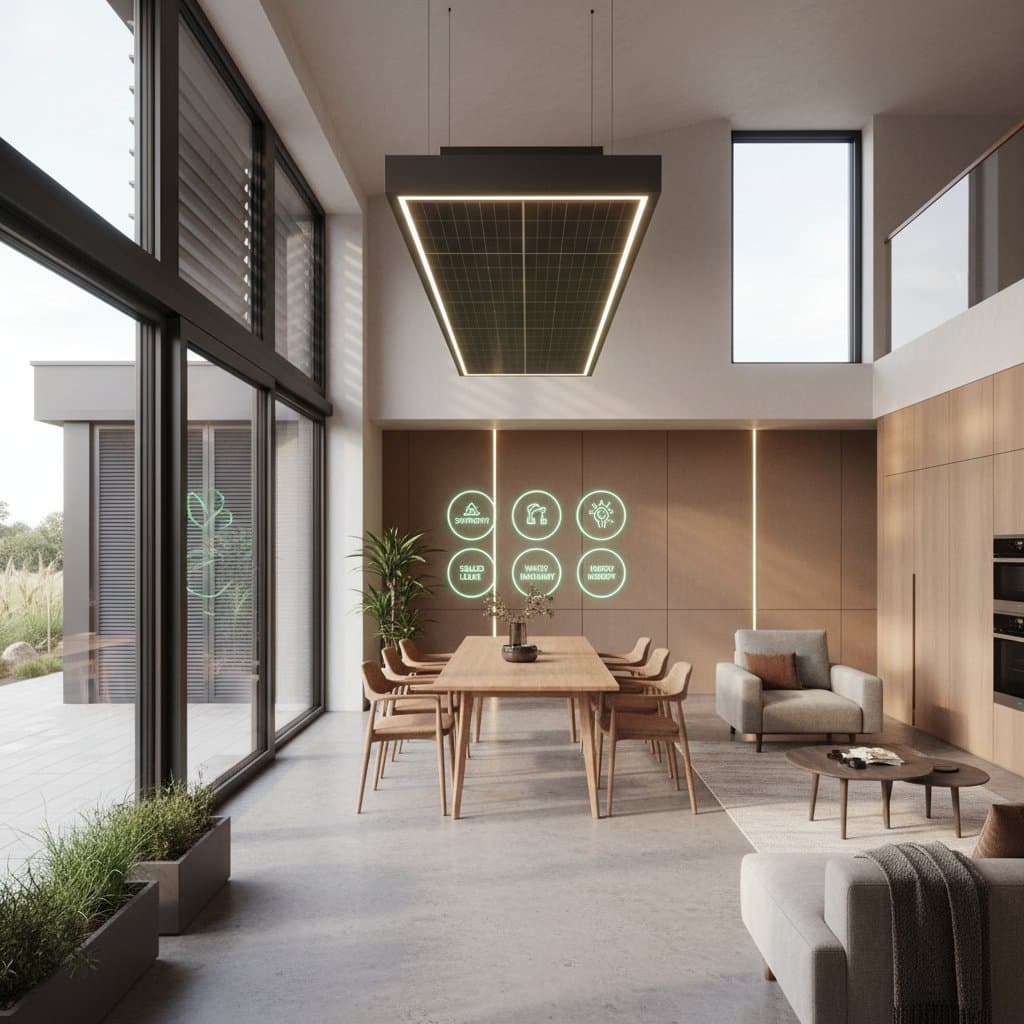
Future-Proof Your Home Against Climate Extremes
Protecting a home from intensifying climate events requires proactive measures that enhance resilience without excessive expense. Rising temperatures, increased rainfall, and more frequent storms now define weather patterns in many regions. Homeowners can implement targeted upgrades to maintain safety, dryness, and energy efficiency amid unpredictable conditions.
Key Strategies for Resilience
- Reinforce the roof, windows, and insulation to withstand high winds and temperature swings
- Enhance drainage systems and foundation protection to mitigate flood risks
- Integrate sustainable energy and water solutions for reliability and cost savings
- Prioritize upgrades that improve comfort, safety, and eligibility for insurance discounts
Evaluating Vulnerabilities
Begin the process with a thorough inspection of the property, ideally following a significant rain or wind event. Note any areas of water accumulation near the foundation, damaged shingles, or cracks near windows and doors. These indicators reveal potential weaknesses that could worsen under extreme weather.
Examine the attic and basement for signs of moisture intrusion, and assess outdoor features such as decks and sheds for warping or deterioration. Compile a prioritized list based on risk level and estimated repair expenses to guide budget allocation. Professional inspectors employ tools like infrared cameras to uncover concealed leaks and drafts, potentially averting substantial future costs.
Strengthening the Building Envelope
The exterior serves as the primary barrier against environmental threats. For the roof, select asphalt shingles engineered for wind speeds up to 130 miles per hour, which install at approximately two to three dollars per square foot. Metal roofing, though costing twice as much, offers extended durability and superior heat reflection.
Address gaps by applying caulk around windows and doors to retain interior air quality and temperature. In flood-vulnerable zones, install flood vents to balance hydrostatic pressure and safeguard the foundation; each unit ranges from two hundred to four hundred dollars. Opt for closed-cell spray foam or rigid foam board insulation, which bolsters thermal efficiency while reinforcing walls against wind forces.
Optimizing Water Management and Drainage
Excess water poses one of the greatest threats to structural integrity. Maintain gutters free of debris and ensure they direct flow to downspouts that channel water at least six feet away from the foundation. Proper grading of the surrounding soil prevents pooling and subsequent erosion.
For yards prone to flooding, install a French drain or dry well to manage runoff effectively; costs typically range from two thousand to five thousand dollars based on site conditions. Sump pumps, essential for below-grade spaces, install for about one thousand dollars and activate automatically during water ingress. Additional safeguards include waterproof sealants on basement walls and backflow preventers on sewer lines to block reverse flow during storms.
Adapting Energy Systems to Climate Shifts
Reliable power becomes increasingly critical as grids encounter greater strain from weather events. Solar panels combined with battery storage maintain operation of vital systems during blackouts; a standard setup requires an investment of fifteen thousand to twenty-five thousand dollars, offset by energy bill reductions and tax incentives.
Heat pumps provide versatile heating and cooling with high efficiency across temperature ranges, diminishing dependence on traditional fuels. In warmer areas, attic radiant barriers lower interior heat buildup, potentially cutting air conditioning expenses by fifteen percent. Promote water conservation through low-flow fixtures and rainwater collection systems, which alleviate municipal demands while lowering household utilities.
Selecting Durable Materials
Material choices significantly influence a home's endurance without compromising aesthetics. Fiber cement siding withstands rot, fire, and pests, demanding minimal upkeep despite a higher initial price than vinyl alternatives. Composite decking, derived from recycled wood and plastics, resists warping and splintering in humid or hot environments.
Porcelain tiles or engineered vinyl planks outperform hardwood in moisture-heavy settings for flooring applications. Employ moisture-resistant drywall and mold-inhibiting paints on interior walls to minimize remediation efforts. In wildfire areas, establish a defensible zone by removing vegetation within thirty feet and opting for non-combustible ground covers like gravel or moisture-retaining native plants.
Navigating Insurance and Regulations
Verify compliance with local building codes and secure necessary permits prior to undertaking projects. Certain areas mandate resilient designs for expansions in high-risk zones such as floodplains or hurricane paths.
Insurance providers increasingly recognize fortified features; maintain records including photographs and invoices to support discount applications for elements like impact-resistant windows or elevated foundations. Organize documentation of warranties, inspections, and contractor credentials to enhance property value upon resale.
Engaging Qualified Experts
While some tasks suit DIY efforts, complex modifications demand professional expertise. Licensed specialists handle roofing, electrical integrations, and structural enhancements to ensure code adherence and safety.
Solicit itemized proposals detailing materials, schedules, and guarantees from contractors affiliated with industry organizations and insured against liabilities. Verify references and steer clear of demands for full advance payments.
Prioritizing Investments for Sustainability
Implement changes incrementally, targeting urgent vulnerabilities first within a multi-year framework. Select modifications that yield dual benefits, such as energy-efficient double-glazed windows that resist impacts and reduce heating costs.
Allocate a consistent portion of income toward maintenance reserves to avoid reactive, high-cost interventions. This strategy sustains affordability while building equity.
Maintaining Resilience Over Time
Routine upkeep preserves the effectiveness of enhancements. Schedule gutter cleanings biannually, verify sump pump functionality ahead of rainy seasons, and review roof integrity post-storms. Prune trees to prevent branch impacts and service HVAC units annually for optimal performance.
These habits ensure the home remains a secure, efficient sanctuary amid evolving climate challenges.