
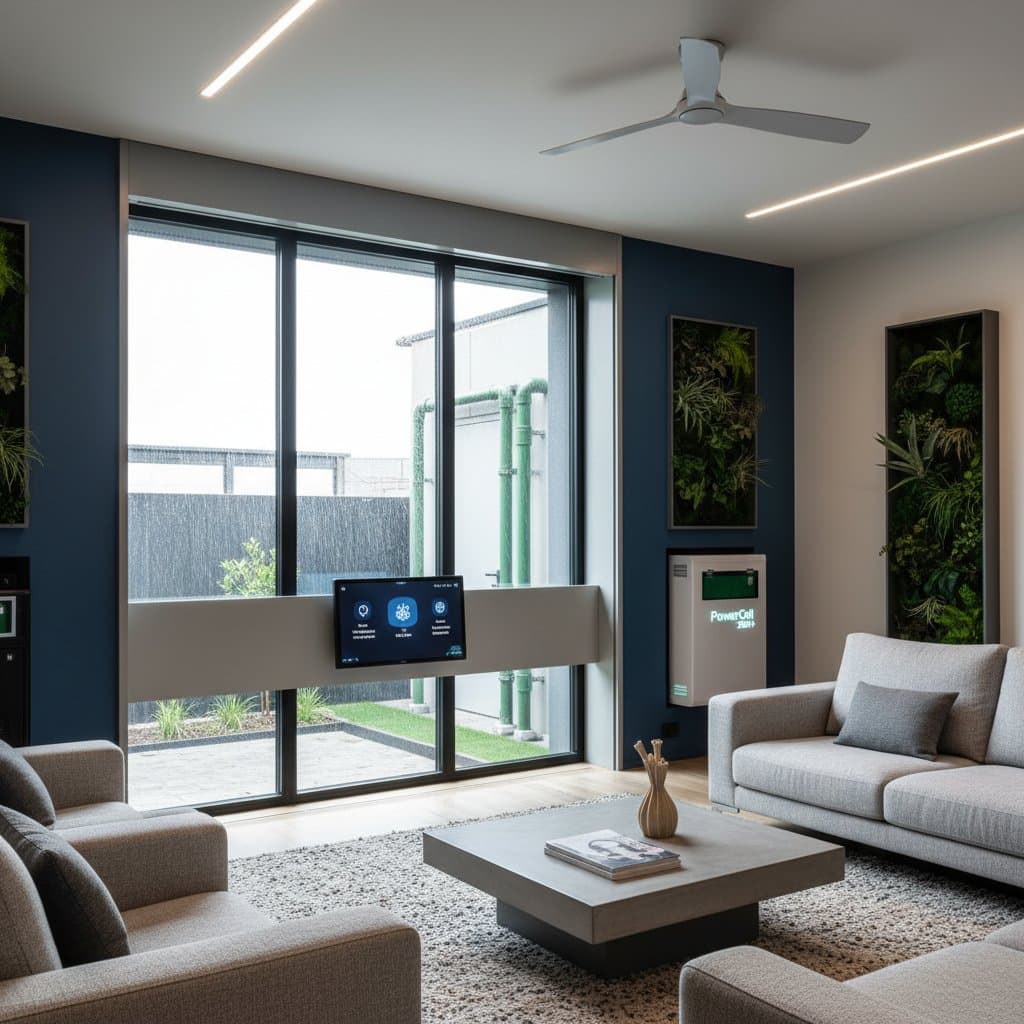
Prepare Your Home for Extreme Weather Resilience by 2026
Storms arrive with increasing intensity, turning the familiar patter of rain into a test of a home's endurance. Homeowners often pause during such events, assessing whether windows and roofs can withstand escalating forces. Preparation transforms uncertainty into confidence, ensuring homes remain secure amid rising weather challenges. Resilience emerges not from excess but from informed, strategic enhancements that protect lives and investments.
Essential Preparation Steps
- Evaluate local weather risks using regional climate data to guide targeted investments.
- Prioritize structural elements like roofs and foundations alongside reliable drainage and power solutions.
- Develop a budget that accounts for home size, climate variations, and phased implementation.
- Integrate sustainable materials to align protection with energy efficiency and reduced environmental impact.
- Establish a yearly maintenance routine to sustain the effectiveness of all upgrades.
Reinforcing the Home's Exterior: Roofs, Siding, and Entry Points
The exterior serves as the primary barrier against severe weather. Selection of durable materials, secure fasteners, and precise installation techniques determines overall performance during high winds, heavy rains, or hail.
Enhancing Roof Durability
Roofs bear the brunt of storm impacts, where minor vulnerabilities lead to extensive interior damage. Conduct thorough inspections to identify loose shingles, compromised flashing, or structural sags. In wind-prone areas, opt for impact-resistant asphalt shingles or corrosion-resistant metal panels engineered for velocities exceeding 110 miles per hour.
- Investment range: $6,000 to $20,000, scaled to roof dimensions and material choices.
- Durability projection: 25 to 50 years under normal conditions.
- Installation duration: Two to five days, minimizing household disruption.
For roofs in solid condition, retrofit with galvanized hurricane clips or steel straps securing rafters to wall plates. These additions, priced at $500 to $1,200, bolster uplift resistance without necessitating complete replacement. Professional assessment ensures compatibility with existing architecture.
Securing Windows and Doors
Windows shatter easily from debris or pressure shifts, creating pathways for water and wind entry. Impact-rated options feature laminated glass layers and reinforced frames capable of deflecting objects traveling at 50 miles per hour. Budget constraints permit temporary solutions like accordion shutters or custom-fitted plywood secured with clips.
- Cost spectrum: $50 per window for basic plywood setups to $1,000 for professional impact installations.
- Project timeline: One weekend suffices for most retrofits.
Doors demand robust construction, including three-point deadbolts and frames anchored by 3-inch screws penetrating studs. Garage doors, prone to failure, benefit from bracing kits with horizontal struts and vertical supports, available for less than $300. These measures prevent inward collapse during gusts.
Upgrading Siding and Weatherproofing
Siding cracks expose underlying wood to rot, while unsealed gaps invite moisture buildup. Transition to fiber cement boards or fiber-reinforced polymers, which resist cracking and fading far better than traditional vinyl. Apply silicone-based caulk to all joints, vents, and window perimeters, refreshing every three years alongside exterior painting.
Regular sealing prevents insidious water damage, extending the life of structural components. Choose low-VOC paints for added health and environmental benefits during application.
Safeguarding Power and Climate Systems
Utility failures during extremes demand systems that maintain habitability. Focus on redundancy and efficiency to bridge outages effectively.
Reliable Backup Power Options
Portable units offer basic support, yet whole-home standby generators linked to natural gas or propane deliver uninterrupted power to critical circuits. Models sized for 10 to 20 kilowatts suit average households, with installation ensuring compliance with local codes.
- Price range: $4,000 to $10,000, encompassing unit and professional setup.
Solar-powered alternatives with expandable battery banks power essentials like refrigerators and medical devices for 24 to 48 hours. Pair with transfer switches for safe, automatic activation, ideal for off-grid resilience.
Optimizing HVAC and Insulation
Heating, ventilation, and air conditioning systems strain under temperature swings, leading to inefficiency or breakdown. Annual professional tune-ups, including coil cleaning and refrigerant checks, prevent such issues. Supplement with blown-in cellulose or spray foam insulation in attics and walls to curb heat transfer.
- Upgrade costs: $1,200 to $4,000, depending on square footage and material type.
- Return on investment: Annual energy reductions of 15 to 25 percent offset expenses within five years.
Seal ducts and outlets with mastic tape to eliminate leaks, enhancing overall system performance.
Installing Surge Protection
Storms trigger voltage spikes that fry electronics and appliances. Point-of-entry surge protectors at the main panel divert excess energy, safeguarding an entire home.
Priced at $500 to $1,000, these devices rated for 100,000 amps provide layered defense. Combine with point-of-use plugs for high-value items like computers and televisions.
Integrating Sustainability into Weatherproofing
Resilient upgrades align seamlessly with eco-conscious practices, yielding dual benefits. Cool-roof coatings on metal surfaces reduce urban heat islands while extending material longevity beyond 40 years.
Capture rainwater with 55-gallon barrels connected to downspouts, alleviating flood risks and supplying irrigation needs. Permeable driveways using gravel grids or porous concrete manage stormwater onsite, preventing erosion.
Source materials locally to minimize transport emissions, and select ENERGY STAR-certified windows that block UV rays without compromising natural light. These choices lower operational costs and contribute to broader climate adaptation efforts.
Developing a Phased Upgrade Plan
Comprehensive fortification unfolds gradually, allowing financial flexibility without compromising urgency.
-
Initial Evaluation: Engage certified inspectors for structural audits and review FEMA hazard maps to identify priorities like flood zones or wildfire proximity.
-
Core Structural Work: Address roofs, windows, and doors first, as these yield immediate risk reduction.
-
Utility Enhancements: Incorporate power backups, surge safeguards, and HVAC optimizations to ensure operational continuity.
-
Site Improvements: Regrade landscapes for positive drainage, install French drains if needed, and create defensible spaces with non-combustible plants.
-
Technology Additions: Deploy smart sensors for moisture detection, weather alerts, and remote shutoffs, integrating via home automation hubs.
For a typical 2,000-square-foot residence, allocate $15,000 to $40,000 across two to three years. Insurance discounts of 5 to 15 percent often apply to fortified properties, accelerating payback.
Sustaining Long-Term Protection
Upgrades demand ongoing vigilance to retain effectiveness. Schedule quarterly visual checks for signs of wear, such as cracked caulk or faded paint, and perform deep cleans annually.
Document all modifications for insurance purposes, and update emergency kits with fresh supplies. Engage community resources for shared learning on evolving threats. This disciplined approach ensures homes endure, providing peace of mind amid unpredictable skies.