
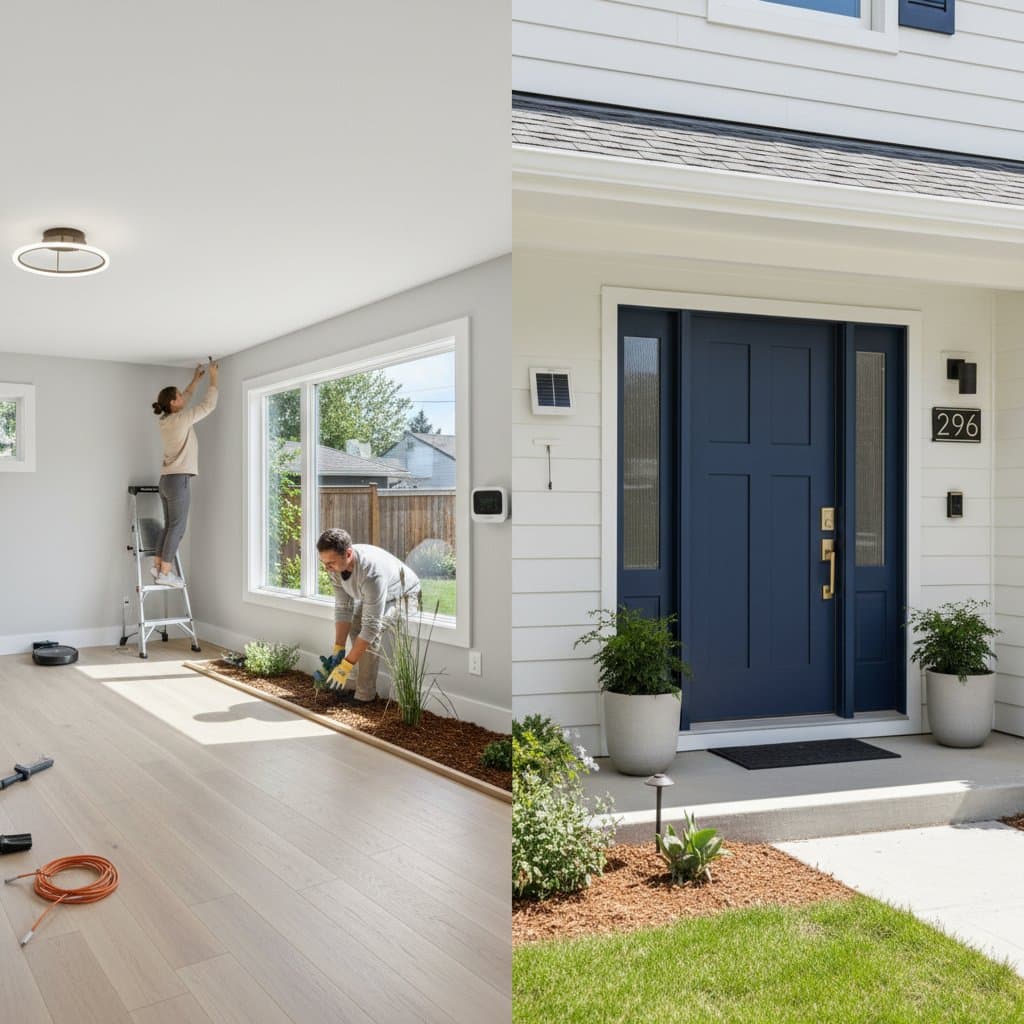
Permit-Free DIY Upgrades That Boost Home Value in 2026
Homeowners often seek ways to enhance property value without navigating complex permitting processes. Certain updates qualify as cosmetic changes, which local codes typically exempt from inspections. These projects allow individuals to achieve significant improvements legally and efficiently, focusing on aesthetics and functionality rather than structural alterations.
Permit-free upgrades suit those desiring quick results with minimal expense and disruption. By selecting projects that emphasize visual appeal and modern convenience, owners can transform their spaces over a few weekends. Such efforts not only heighten daily living standards but also position the home favorably in competitive real estate markets.
Essential Permit-Free Upgrades for Maximum Impact
Focus on initiatives that provide noticeable changes, enhanced usability, and strong buyer interest. Each option avoids structural modifications, ensuring compliance with most building regulations.
1. Interior Painting and Trim Refresh
Applying fresh paint ranks among the most straightforward methods to revitalize interiors. Opt for neutral palettes to appeal to diverse tastes, while incorporating accent walls adds personality without overwhelming the design. Select semi-gloss paints for high-traffic areas like kitchens and bathrooms, as they withstand wear and simplify cleaning. Budget approximately $100 to $300 per room, factoring in paint type and room dimensions.
Prepare surfaces thoroughly by cleaning and repairing minor imperfections. Apply a quality primer, especially over dark colors, to achieve even coverage and improved illumination.
2. Lighting Fixture Updates
Swapping existing light fixtures seldom necessitates permits, provided no wiring changes occur. Install energy-efficient LED options to brighten spaces and reduce utility bills. Transition from dated ceiling fixtures to contemporary pendants or recessed lights for a refreshed ambiance. Costs generally fall between $60 and $250 per unit, influenced by design and size.
Prioritize safety by disconnecting power at the circuit breaker prior to installation. Confirm compatibility with current electrical specifications, including voltage and mounting hardware, to prevent issues.
3. Flooring Replacement
Engineered systems such as floating vinyl planks or click-lock hardwood offer simple installation without permit requirements. These materials upgrade room aesthetics and durability, transforming outdated floors into modern features. Prices range from $2 to $6 per square foot for quality products, with most installations completable in a weekend.
Address subfloor irregularities with leveling compounds or underlayment to ensure stability. This step minimizes long-term problems like shifting or noise.
4. Cabinet Hardware and Faucet Swaps
Updating knobs, pulls, and faucets delivers an immediate modern touch to kitchens and bathrooms. These minor changes yield outsized visual impact during property showings. Complete a kitchen set for less than $150 using finishes like brushed nickel or matte black for versatile style.
Match faucet replacements to existing configurations to bypass plumbing alterations. Test installations for leaks and secure fittings properly.
5. Smart Home Devices
Integrate devices such as programmable thermostats, smart plugs, or sensors without permanent modifications, keeping projects permit-free. These additions attract tech-savvy buyers by promoting efficiency and security. Most units cost $100 to $200 and install in under an hour using existing outlets.
Document installations with photos and receipts to highlight added value. Position devices strategically for optimal functionality and discretion.
6. Landscaping Enhancements
Simple yard improvements, like planting low-maintenance shrubs or adding mulch beds, enhance curb appeal without permits. Refresh pathways with gravel or pavers to guide visitor flow effectively. Allocate $200 to $800 for materials, achievable over a weekend with basic tools.
Select native plants to reduce watering needs and support local ecosystems. Maintain clean edges and balanced designs to maximize first impressions.
7. Deck Refinishing
Sanding and resealing existing decks restores appearance and safety without structural work. Apply weather-resistant stains to protect wood from elements. Expect to invest $100 to $200 in supplies, with completion possible in a weekend.
Clean surfaces thoroughly before staining to ensure adhesion. Inspect for loose boards and secure them to avoid future hazards.
8. Front Door Replacement
Install a new entry door that matches standard sizes to sidestep permit needs. Choose fiberglass or steel models for durability and energy savings. Budget $400 to $900, including hardware, for a one-day project.
Measure precisely and seal gaps around the frame to improve insulation. Select colors and styles that complement the home's exterior.
Budgeting and Timeline Essentials
Effective planning begins with accurate cost estimates to avoid surprises. Consider tools, disposal, and minor supplies alongside materials. The following table outlines typical expenses and efforts:
| Project Type | Typical DIY Cost | Estimated Time | ROI Potential |
|---|---|---|---|
| Painting | $100 - $300 per room | 1-2 days | High |
| Lighting Update | $60 - $250 per fixture | 1 hour each | Medium |
| Flooring | $2 - $6 per sq. ft. | Weekend | High |
| Hardware/Faucet Swap | $20 - $150 | Few hours | Medium |
| Smart Devices | $100 - $200 | 1 hour | Medium |
| Landscaping | $200 - $800 | Weekend | High |
| Deck Refinishing | $100 - $200 | Weekend | Medium |
| Front Door Replacement | $400 - $900 | 1 day | High |
Adjust figures based on local prices and selections. Track expenditures to refine future projects.
Steering Clear of Regulatory Issues
Even cosmetic work carries risks if boundaries blur. Avoid relocating electrical components, resizing windows, or installing fixed shelving that alters layouts. Refrain from adding new plumbing lines, as these often demand oversight.
Consult local guidelines for confirmation on project scopes. Capture before-and-after images and store invoices to prove adherence to cosmetic standards.
Sustaining Upgrade Benefits
Long-term value depends on regular upkeep. Clean painted surfaces quarterly and inspect hardware for wear. Monitor smart devices through apps to maintain performance. These habits preserve enhancements, ensuring sustained appeal and functionality for years ahead.