
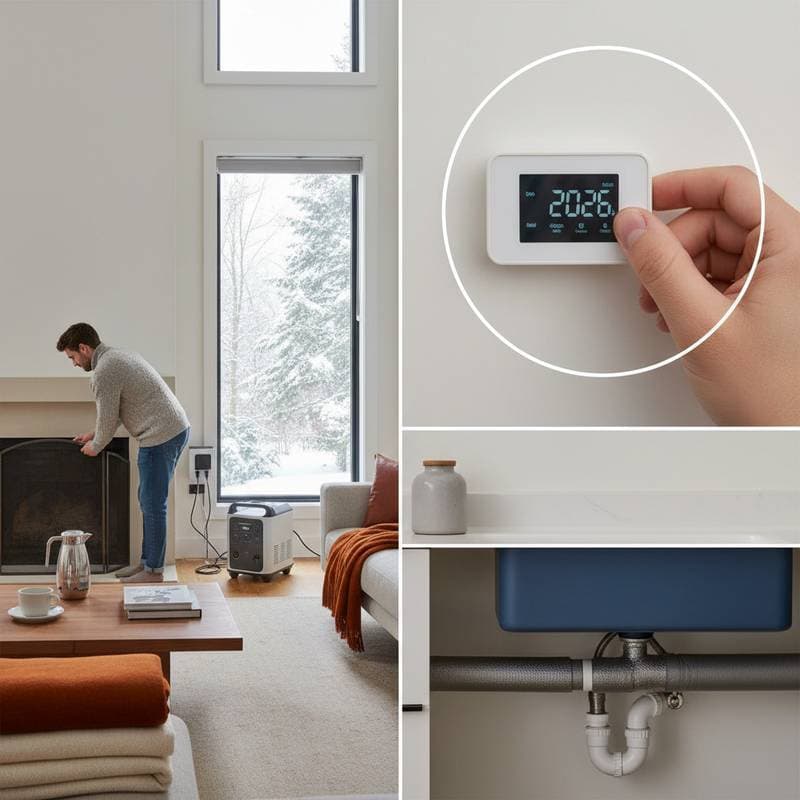
Storm-Proof Your Home Before Winter Strikes
The first cold gust that sneaks through a cracked window serves as a clear warning. While sipping coffee and watching the sky turn to dull gray, homeowners often realize their residence lacks preparation for the approaching storm season. A single loose shingle or unsealed window frame can determine the outcome between sustained comfort and expensive repairs. Preparation extends beyond gathering blankets and candles; it involves fortifying the very structure that shelters possessions and loved ones.
Key Preparation Steps
- Inspect and reinforce the roof, windows, and doors prior to the arrival of heavy winds
- Insulate pipes and enhance overall insulation to avert freezing-related damage
- Set up backup power sources and improve drainage systems for greater storm resilience
- Allocate a budget of $500 to $2,500 for thorough storm-proofing, adjusted for home size and existing condition
- Arrange for maintenance services well in advance to sidestep seasonal shortages of skilled labor
Storm-proofing represents more than mere defense; it embodies proactive control, strategic foresight, and enhanced security. The assurance derived from a home equipped to withstand winter storms justifies every hour invested in tightening, sealing, and safeguarding elements.
Sealing Windows and Doors Against Drafts
A faint chill detected near a window indicates escaping air. Such drafts contribute to as much as one-quarter of total heating loss over time. Addressing these gaps through draft-proofing qualifies as one of the most straightforward and impactful measures available.
Begin by examining the weatherstripping surrounding doors and window frames. Replace any brittle or compressed material with fresh adhesive-backed foam or rubber seals; one roll, priced at approximately $10, suffices for multiple openings. For older wooden windows, apply new caulk along the seams where frames join walls. Opt for silicone-based caulk, which withstands cold temperatures and maintains flexibility amid varying conditions.
Homes featuring large glass panels or sliding doors benefit from temporary storm panels or interior window films. These additions provide extra insulation, potentially cutting heat loss by up to 20 percent. Installation requires about one hour per window, with materials for a typical home costing $100 to $300.
Protecting Pipes and Plumbing Systems
Frozen pipes rank among winter's costliest hazards. As water transforms into ice, it exerts pressure capable of fracturing even sturdy copper or PVC lines. Target vulnerable areas, such as pipes along exterior walls, in crawl spaces, or within unheated basements.
Install foam pipe insulation sleeves, available for less than $2 per six-foot length. For pipes in exposed locations, apply heat tape that activates automatically in low temperatures. Follow manufacturer instructions closely and ensure no overlaps occur to avoid risks of overheating.
On particularly cold nights, maintain a slow drip from faucets to ease system pressure. For homeowners planning winter travel, adjust the thermostat to keep indoor temperatures above freezing and open cabinet doors beneath sinks to facilitate better air circulation.
Securing Outdoor Spaces and Utilities
Storms pose risks beyond the home's interior. Items like loose patio furniture, garden tools, and decorative planters can turn into hazardous projectiles during high winds. Secure or relocate these objects to a shed or garage upon receiving the initial major weather alert.
Examine exterior electrical connections and backup generators thoroughly. When employing a portable generator, place it at least ten feet away from any building to minimize carbon monoxide accumulation. Conduct monthly tests by operating the unit under load for several minutes, verifying it supplies power to critical circuits.
Trimming overhanging branches or weakened limbs close to the house prevents potential damage. Hiring professionals for tree trimming incurs costs of $200 to $500, based on tree size and accessibility, while safeguarding the roof and power lines from storm impacts.
Budgeting for Storm-Proofing
Breaking comprehensive storm preparation into phases reveals its affordability. Consider this sample budget breakdown:
- Roof inspection and minor repairs: $150 to $1,200
- Window and door sealing: $100 to $400
- Garage door reinforcement: $100 to $300
- Gutter cleaning and installation of guards: $100 to $350
- Pipe insulation and heat tape: $50 to $150
- Emergency supplies and backup systems: $150 to $600
Tailor priorities to the specific vulnerabilities of the property. Older homes typically require greater emphasis on insulation and sealing efforts. Newer constructions might prioritize drainage improvements and uninterrupted power supply. Engage professionals for assessments at the season's outset, as demand surges with impending storm forecasts.
Pro Tips for Effective Preparation
- Develop a detailed checklist covering every home area, from roof to foundation.
- Capture photographs before and after work to support potential insurance claims.
- Select durable materials; inferior caulk or flimsy insulation often succumbs to stress.
- Blend DIY tasks, such as sealing and cleanup, with professional services for roofing or electrical components.
- Track emerging weather patterns to allow sufficient time for securing outdoor elements and enacting contingency plans.
Sustaining Storm-Proofing Measures Year-Round
Ongoing vigilance ensures that initial investments in storm-proofing deliver lasting benefits. Perform seasonal inspections to identify emerging issues, such as worn weatherstripping or accumulating debris in gutters. Integrate these routines into annual home maintenance schedules to preserve resilience against future weather events. This consistent approach not only minimizes repair costs but also enhances overall living comfort throughout the seasons.