
Spring HVAC Checks Boost 2026 Energy Savings
If you have ever flipped on your air conditioner after a long winter and felt that faint puff of dusty air, you already know your HVAC system could use a little attention. Spring is the perfect time to give it that care. A few hours spent on maintenance now can mean lower bills, cleaner indoor air, and a much more comfortable summer ahead. You do not have to be a trained technician to make a difference either. With the right checklist and a little patience, you can set up your system for serious energy savings long before the peak heat hits.
Why Spring Maintenance Matters
An HVAC system that runs efficiently can cut energy costs by as much as 15 to 25 percent depending on your region and system type. Those savings add up quickly, especially if your home relies on both heating and cooling throughout the year. Spring maintenance also helps catch small issues before they turn into major repairs. A clogged filter, for instance, can cause the system to overwork, leading to higher bills and potential breakdowns during the hottest months.
Think of these seasonal checks as an annual health exam for your home's comfort system. You are not just adjusting settings; you are protecting your investment and improving your air quality at the same time. Efficient operation reduces wear on components like the compressor and fan motors, which in turn lowers the risk of unexpected failures. Homeowners who perform regular maintenance often report fewer service calls and more consistent temperatures room to room.
Your Spring HVAC Energy Audit Checklist
If you like clear, actionable steps, this is where to start. You can complete most of these tasks in a single afternoon with basic tools such as a screwdriver, vacuum cleaner, and soft brush. Follow these steps in order to maximize efficiency and safety.
-
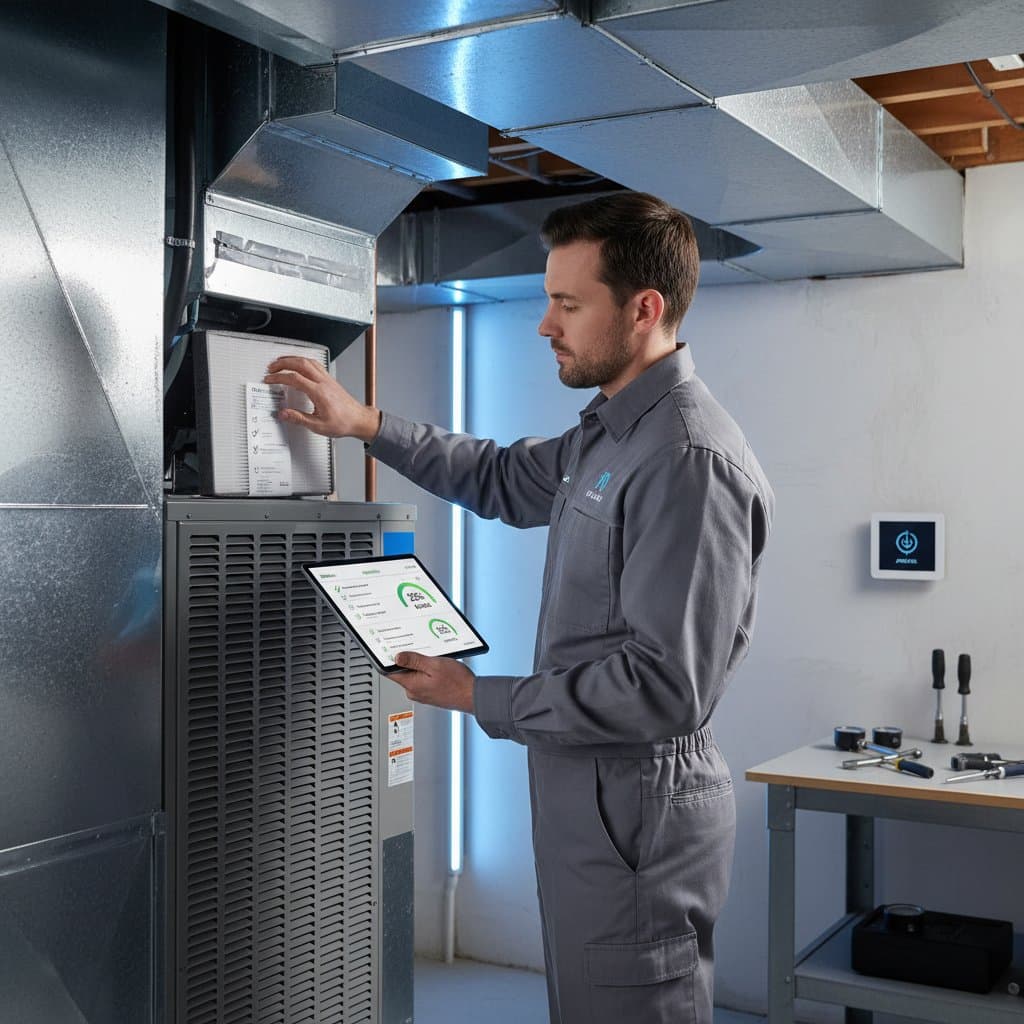
Replace or clean air filters.
Filters should be changed every one to three months depending on household dust, pets, and allergies. A clean filter allows air to flow freely and reduces strain on the blower motor. Select filters with a MERV rating of 8 to 13 for balanced filtration without restricting airflow too much. -
Inspect outdoor units.
Clear away leaves, branches, and debris from the condenser. Keep at least two feet of open space around the unit for proper airflow. Straighten any bent fins on the coils using a fin comb to ensure optimal heat exchange. -
Check vents and registers.
Vacuum dust buildup and make sure furniture is not blocking airflow. Poor circulation can make rooms feel unevenly cooled. Adjust dampers in the ductwork if accessible to balance air distribution across different areas of the home. -
Clean condenser coils.
Use a soft brush or a garden hose with gentle pressure. Dirty coils make it harder for your system to release heat, which drags down efficiency. Rinse from the inside out to avoid pushing debris deeper into the unit, and allow the coils to dry completely before powering on. -
Test your thermostat.
If you have not upgraded to a smart thermostat yet, consider it. These devices can reduce energy use by learning your schedule and adjusting temperatures automatically. Calibrate the current thermostat by comparing its reading to a separate thermometer, and set it to an energy-saving mode like 78 degrees Fahrenheit for cooling. -
Inspect ductwork for leaks.
Leaky ducts can waste up to 30 percent of conditioned air. Look for gaps or loose connections and seal them with foil-backed tape or mastic sealant. Focus on joints in attics, basements, and crawl spaces where ducts are most exposed to temperature changes. -
Schedule a professional tune-up.
Even if you are confident handling basic maintenance, an HVAC technician can check refrigerant levels, test voltage, and ensure safety components are working properly. Professionals use specialized tools to measure static pressure and airflow, identifying issues that DIY methods might miss.
Understanding the Cost and ROI
DIY maintenance typically costs less than 50 dollars in materials, mainly for filters and cleaning supplies. A professional inspection usually ranges between 100 and 200 dollars depending on your system size and local rates. If your HVAC unit is older or has not been serviced in a while, a more detailed tune-up might add another 50 to 100 dollars.
While that might sound like an extra expense, the return on investment is strong. A well-maintained system can extend its lifespan by several years, delay costly replacements, and reduce monthly utility bills by a noticeable margin. For example, in a typical household, consistent maintenance could save 200 to 400 dollars annually on energy costs alone. Over a decade, these cumulative benefits far outweigh the initial outlay, making spring checks a smart financial move.
Safety and Comfort Considerations
Whenever you work around electrical components, make sure the power to the system is turned off at the breaker. Avoid using harsh cleaners on coils or vents since they can corrode metal surfaces. If you notice unusual noises, burning smells, or inconsistent airflow, stop the DIY work and call a licensed technician. Safety always comes before savings.
Clean air is another benefit of spring maintenance. Dust, pollen, and allergens often build up inside ducts and filters over the winter. Replacing filters and cleaning vents can significantly improve indoor air quality, which is especially important for anyone with allergies or respiratory issues. This process also reduces the circulation of mold spores and bacteria, contributing to a healthier living environment year-round.
Steps to Implement Your Maintenance Plan
Start small. Even changing filters and clearing outdoor debris can make a real difference in your comfort and energy bills. Set a reminder each spring to go through this checklist before temperatures climb. If you prefer to leave it to the pros, schedule a tune-up early in the season when technicians are less busy and you may find better appointment availability.
Every clean coil, tightened duct, and recalibrated thermostat moves you closer to a more efficient home. By giving your HVAC system a little spring attention, you will enjoy lower costs, better air, and a cooler, more comfortable living space when it matters most. Track your energy usage before and after maintenance to see the tangible impact on your 2026 bills.