
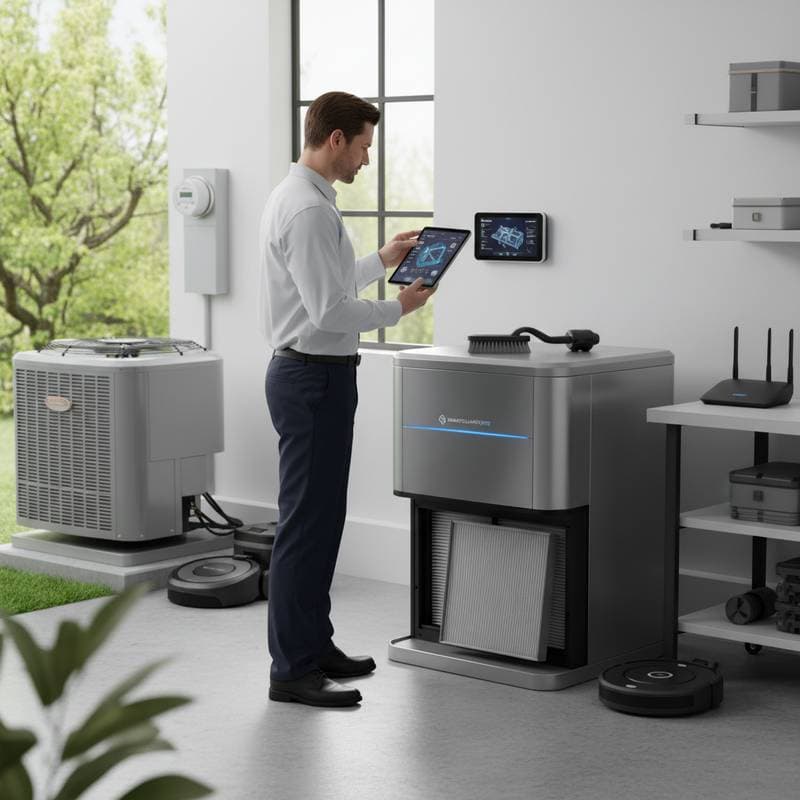
Introduction to Spring HVAC Maintenance
As temperatures begin to rise, it becomes essential to assess and prepare your heating, ventilation, and air conditioning system. Proper maintenance during spring not only extends the lifespan of your equipment but also minimizes the risk of unexpected breakdowns that could lead to substantial repair bills. This guide focuses on key steps to ensure your HVAC system operates efficiently, integrating smart technology for modern homes.
Begin by gathering basic tools such as a screwdriver, soft brush, garden hose, and a separate thermometer. Schedule approximately two hours for these tasks, and always prioritize safety by turning off power sources before inspections. Follow these steps in sequence to build a solid foundation for seasonal performance.
Step 1: Test and Calibrate Your Smart Thermostat
Smart thermostats represent a critical component in energy-efficient homes, yet they can drift out of calibration due to power surges, software glitches, or environmental factors. To verify accuracy, place a reliable indoor thermometer near the thermostat and compare the readings. A discrepancy exceeding two degrees Fahrenheit indicates the need for recalibration; access the device's settings menu or companion mobile application to adjust the offset manually.
Many advanced models include built-in self-diagnostic features that alert users to potential issues. Review the application for indicators such as low battery warnings, intermittent Wi-Fi connectivity, or pending firmware updates. Failure to apply these updates may result in inconsistent temperature control or disrupted smart home integrations, leading to higher energy consumption.
For long-term reliability, evaluate the age of your current thermostat. Units older than five years often lack the latest adaptive algorithms that learn user patterns and optimize schedules automatically. Replacement models typically cost between $120 and $250, with potential energy savings recouping the investment in as little as one cooling season through reduced runtime and precise control.
Step 2: Inspect and Clean the Outdoor Condenser Unit
The outdoor condenser unit endures exposure to the elements throughout winter, accumulating debris like leaves, dirt, and organic matter that impedes airflow. Restricted circulation forces the compressor to work harder, increasing wear and energy use while raising the likelihood of premature failure.
Before proceeding, locate the electrical disconnect box and switch off the power to eliminate any risk of accidental activation. Use a soft-bristled broom to remove loose debris gently, avoiding damage to delicate components. Next, direct a steady stream of water from a garden hose through the coils, starting from the interior side to flush out embedded particles effectively.
Maintain a clear perimeter by trimming surrounding vegetation to at least two feet from the unit, preventing overgrowth that could exacerbate airflow issues. Refrain from employing high-pressure washers or harsh chemical solutions, as these may deform the aluminum fins or corrode electrical connections. Should fins appear bent, acquire a specialized fin comb tool, available for around $15, and straighten them with light, even pressure to restore optimal heat exchange.
After cleaning, inspect the unit's base for level stability; uneven mounting can cause vibrations that lead to mechanical stress over time. Secure any loose panels and ensure drainage paths remain unobstructed to facilitate proper condensate flow during operation.
Step 3: Optimize Energy Settings for Transitional Weather
With spring's milder climate, it is advisable to reprogram your smart thermostat to align with changing occupancy and temperature needs, thereby curbing cooling expenses before summer peaks. Program higher setpoints during unoccupied periods, allowing the system to ramp up cooling only as you approach home. Geo-fencing capabilities in most devices enable automatic adjustments triggered by your smartphone's location data, ensuring seamless transitions.
Recommended configurations include 78 degrees Fahrenheit during occupied daytime hours for balanced comfort, 85 degrees Fahrenheit when absent to minimize unnecessary operation, and 74 degrees Fahrenheit overnight to promote restful sleep without excessive chilling. Adjust these baselines according to local humidity, which influences perceived temperature, and personal preferences. Research indicates that each degree increase in setpoint during cooling mode yields approximately 3 percent savings on electricity bills.
To maximize these adjustments, integrate your thermostat with other smart devices, such as automated blinds or ceiling fans, which can enhance air circulation and reduce reliance on the HVAC system. Monitor initial performance over a week to refine schedules, aiming for consistent indoor conditions without frequent overrides.
Step 4: Analyze Home Energy Reports for Insights
If your residence features an energy monitoring system within its smart ecosystem, dedicate time to reviewing historical data and recent trends. These reports reveal patterns, such as unexpected surges in usage that may stem from inefficient components or behavioral factors. For instance, elevated nighttime cooling demands could signal air leaks around windows or inadequate insulation in walls and attics.
Focus on metrics like total kilowatt-hour consumption and peak load times to identify opportunities for improvement. Cross-reference with weather data if available, noting how external conditions correlate with internal efficiency. Addressing anomalies early prevents minor inefficiencies from escalating into major system strains.
Set measurable objectives based on this analysis, targeting a 10 percent decrease in seasonal energy use relative to the previous year. Implement supporting actions such as reinforcing weatherstripping on doors, scheduling professional duct inspections, and committing to routine filter replacements. Track progress monthly to validate the impact of these changes and adjust strategies accordingly.
Essential Strategies for Long-Term HVAC Care
Document all maintenance activities in a dedicated log, including dates for filter swaps, professional servicing, and observed anomalies. This record aids in troubleshooting persistent problems and provides documentation for warranty validations or insurance purposes.
Coordinate related home tasks efficiently; for example, arrange duct cleaning prior to an annual HVAC inspection to allow technicians full visibility into system health. Remain vigilant for subtle auditory cues, such as unusual rattles from vents or intermittent clicks from controls, which may indicate loose connections, debris buildup, or emerging electrical faults.
Leverage the proactive features of contemporary HVAC systems by activating alert notifications through associated applications. These reminders for filter changes, efficiency checks, or diagnostic scans help maintain peak performance and avert costly disruptions.
Safeguarding Efficiency Through Seasonal Vigilance
Consistent spring preparation fortifies your HVAC system against the demands of upcoming heat, translating to reliable operation and significant financial benefits. By investing time in these targeted steps, homeowners secure not only immediate comfort but also enduring value from their equipment. Revisit this routine annually to adapt to evolving technology and home needs, ensuring sustained energy savings and peace of mind.