AI Remodel Tools vs Pro Expertise: Which Wins?
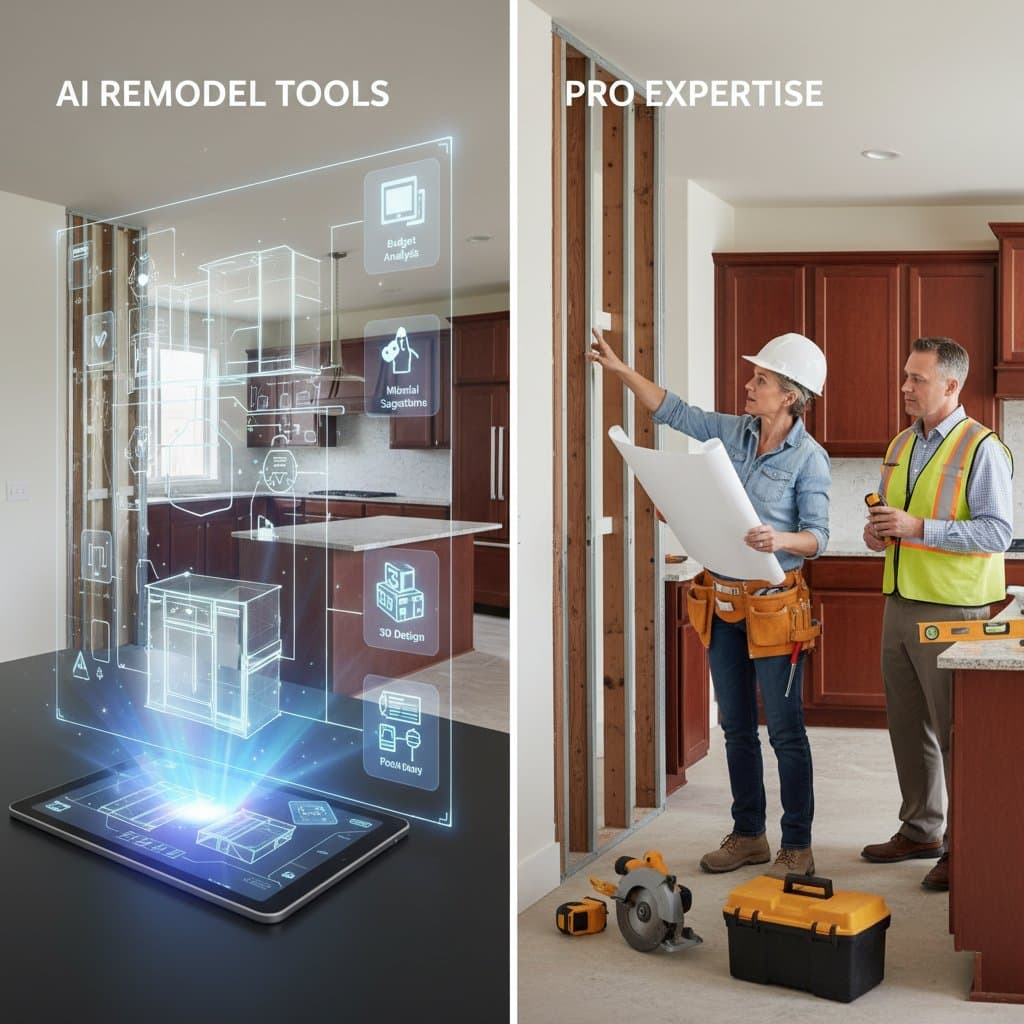
AI remodeling tools deliver fast design ideas and budget tips, yet professional expertise remains essential for ensuring safety, compliance, and structural integrity in home projects.
Loading...
Articles tagged with Professional
AI remodeling tools deliver fast design ideas and budget tips, yet professional expertise remains essential for ensuring safety, compliance, and structural integrity in home projects.
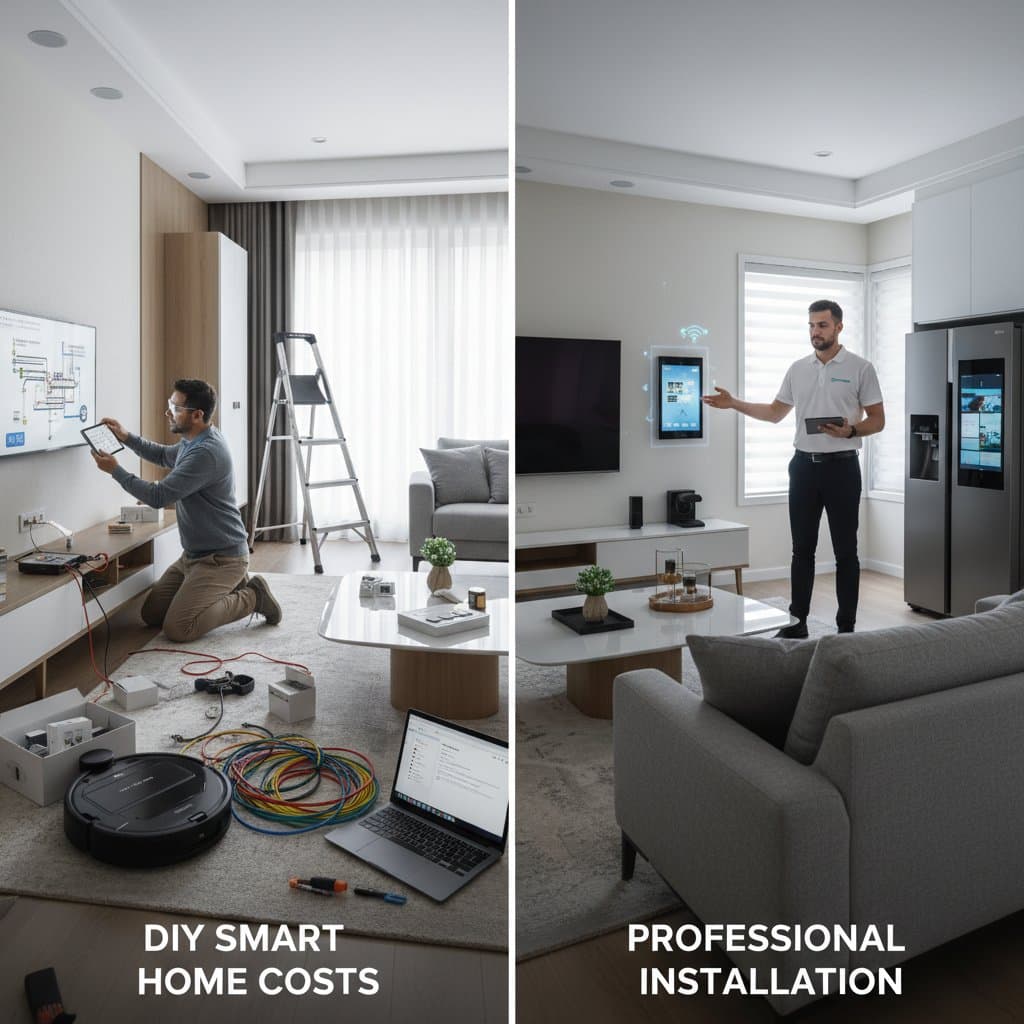
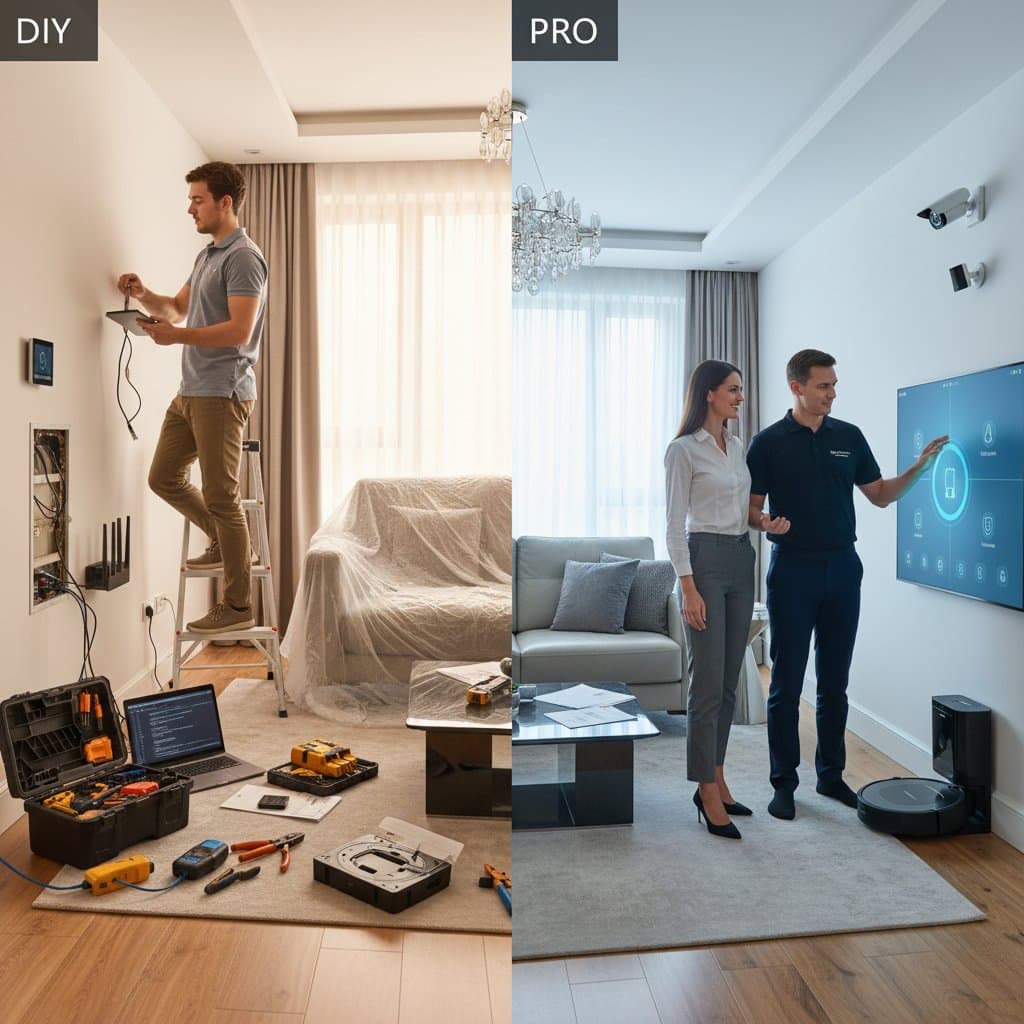
Explore the true costs of DIY versus professional smart home installation. This analysis covers device expenses, labor fees, potential pitfalls, and strategies to balance savings with reliability for an efficient setup.
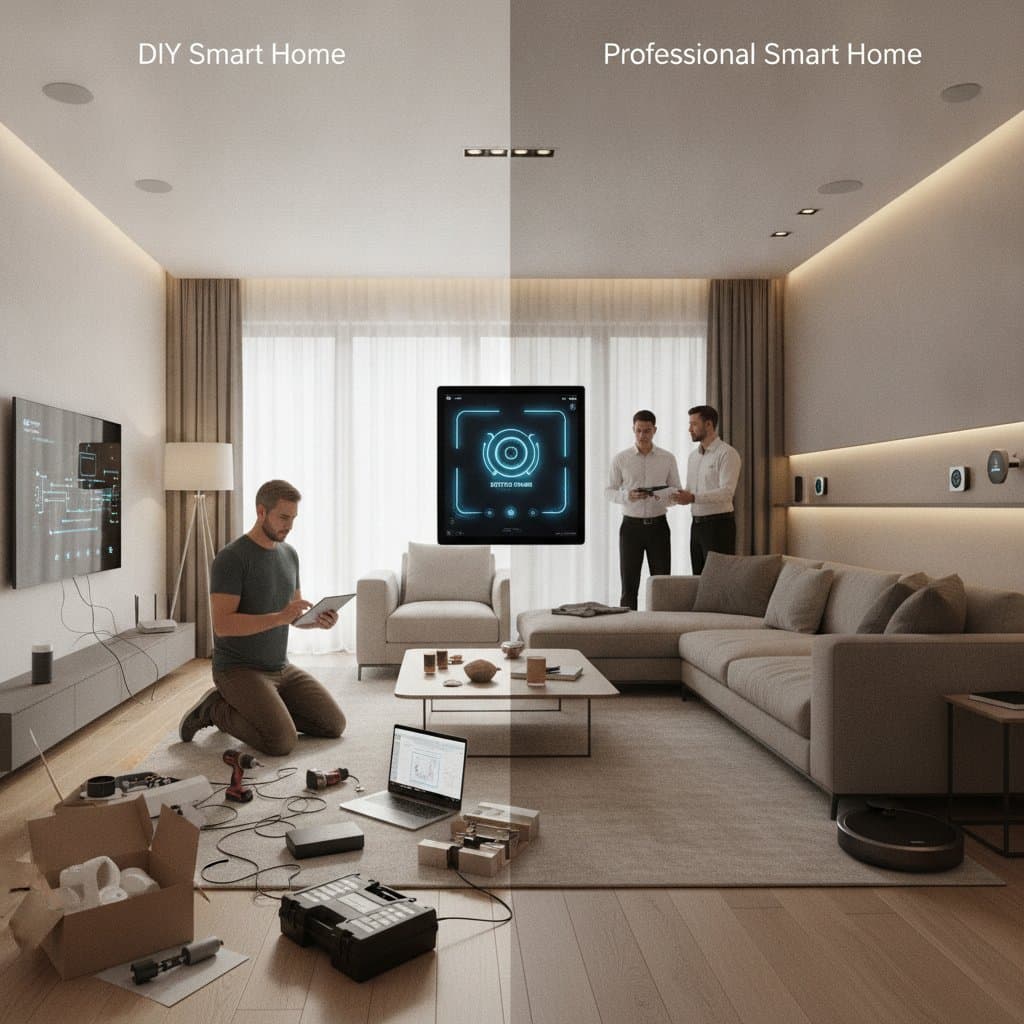
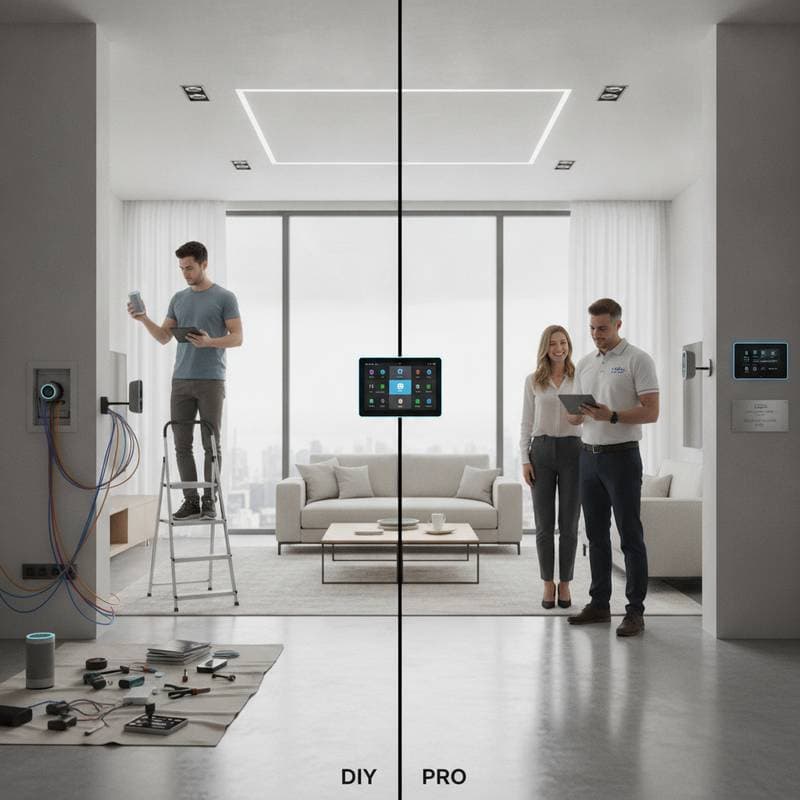
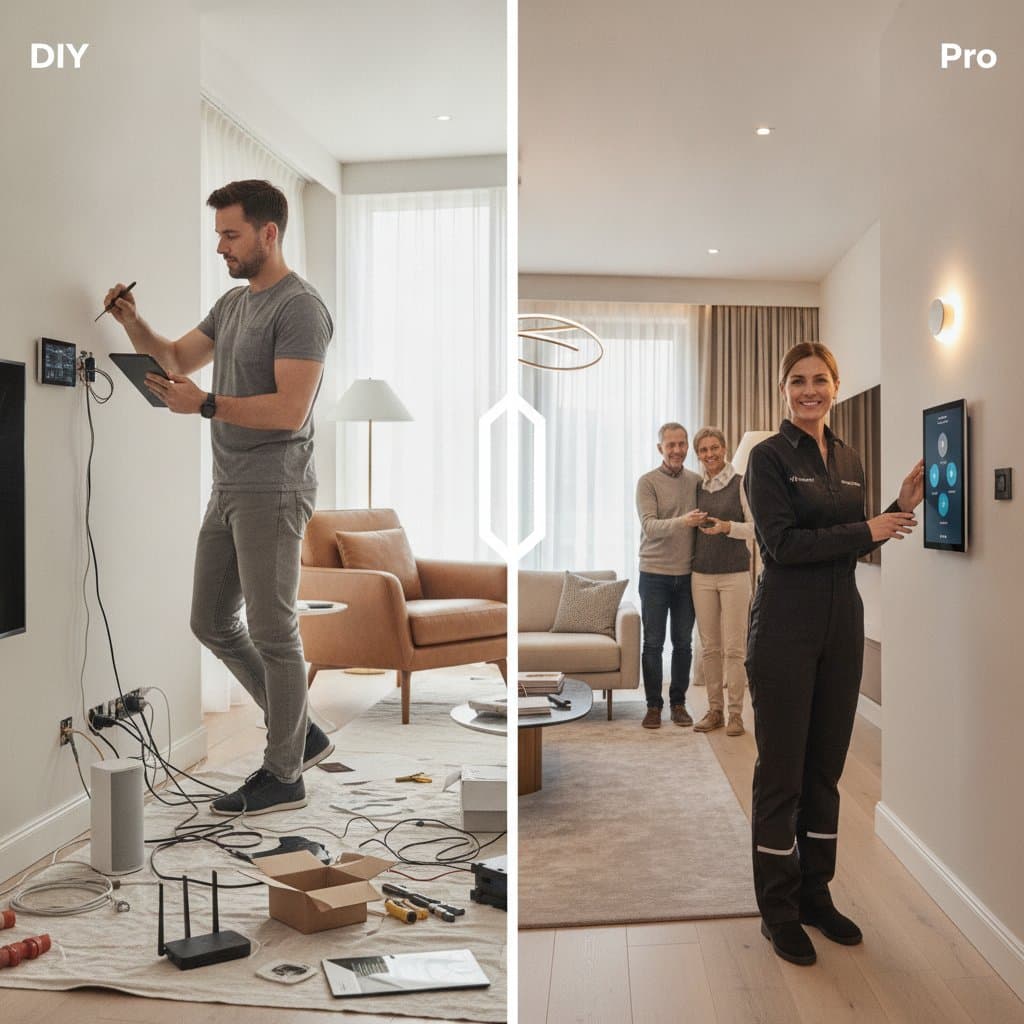
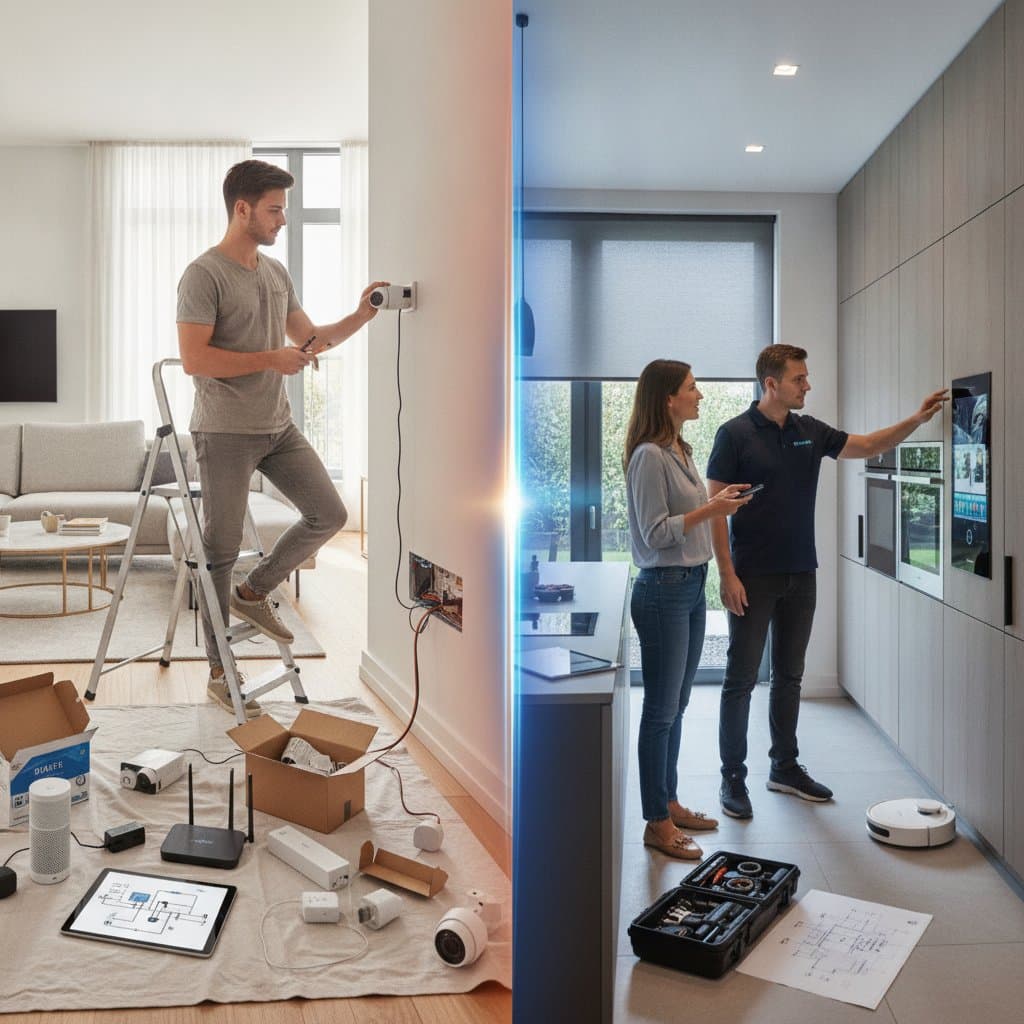
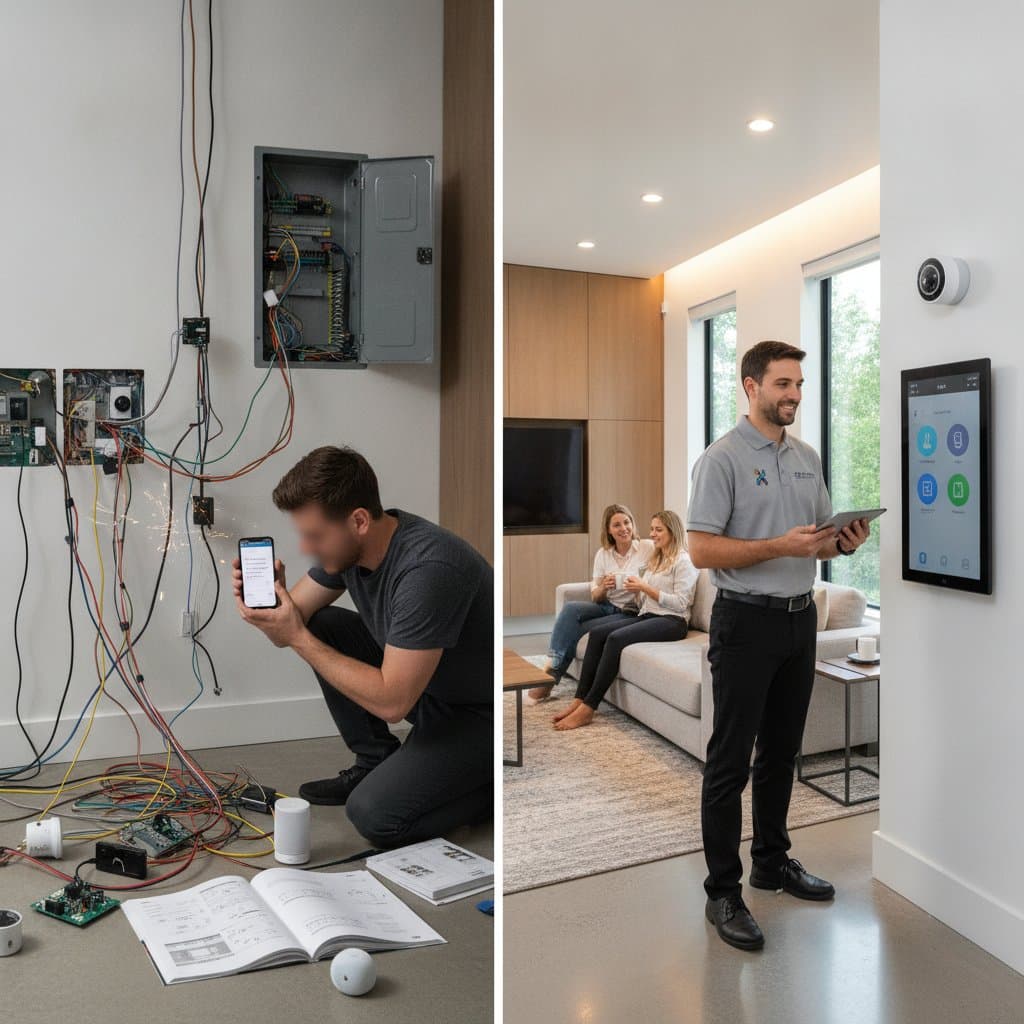
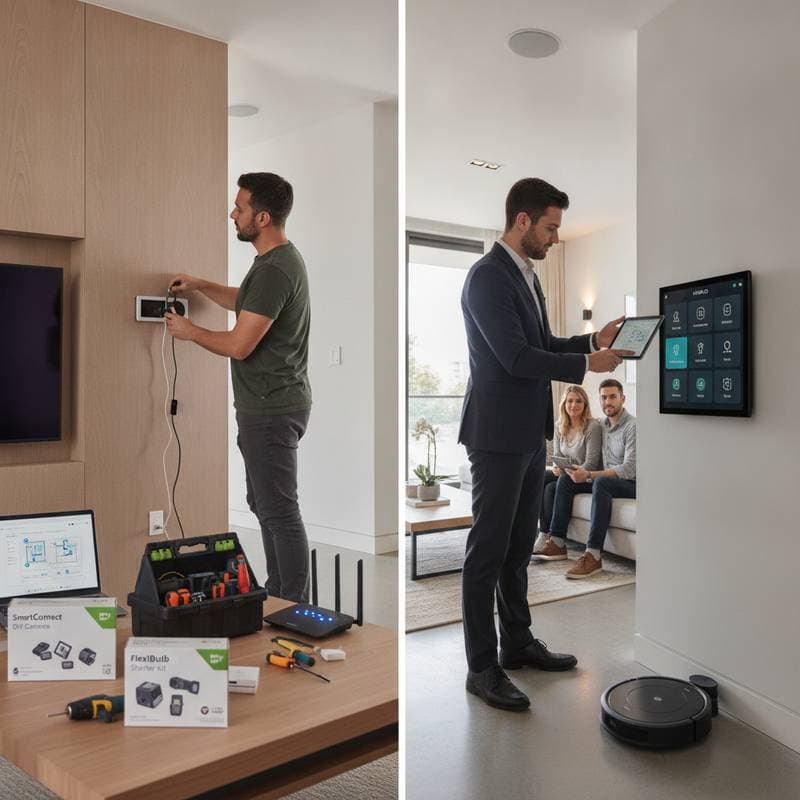
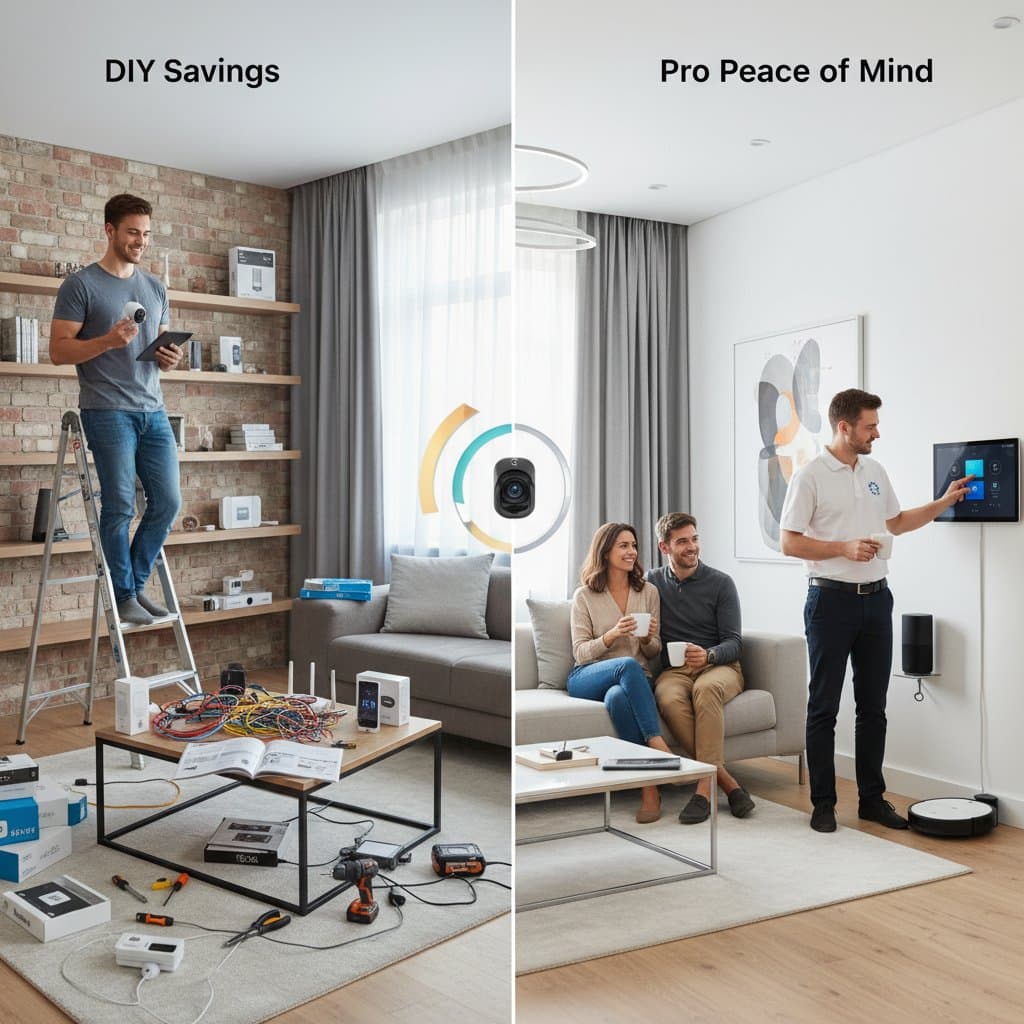
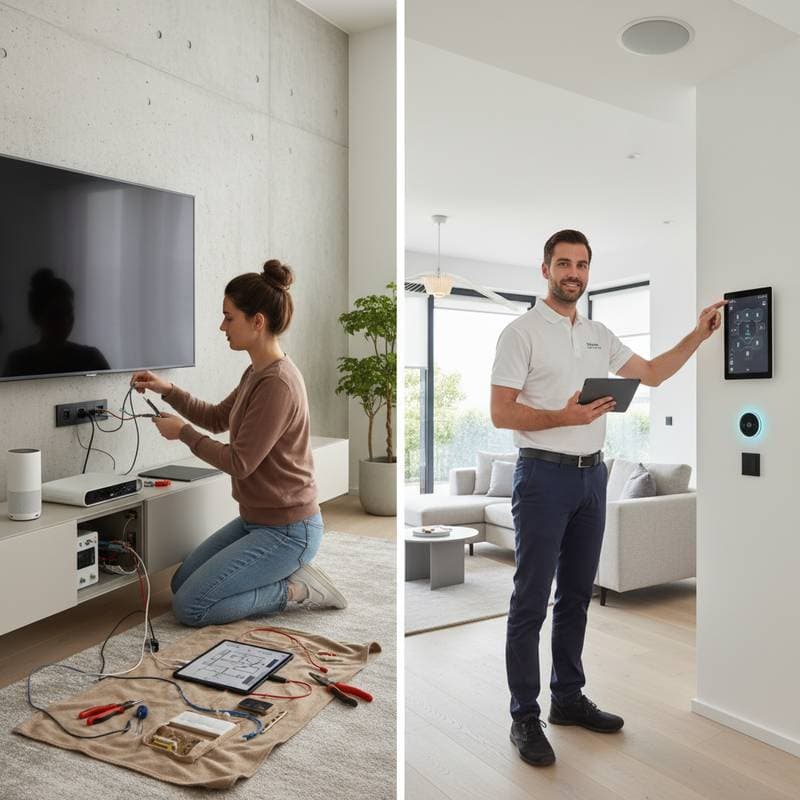
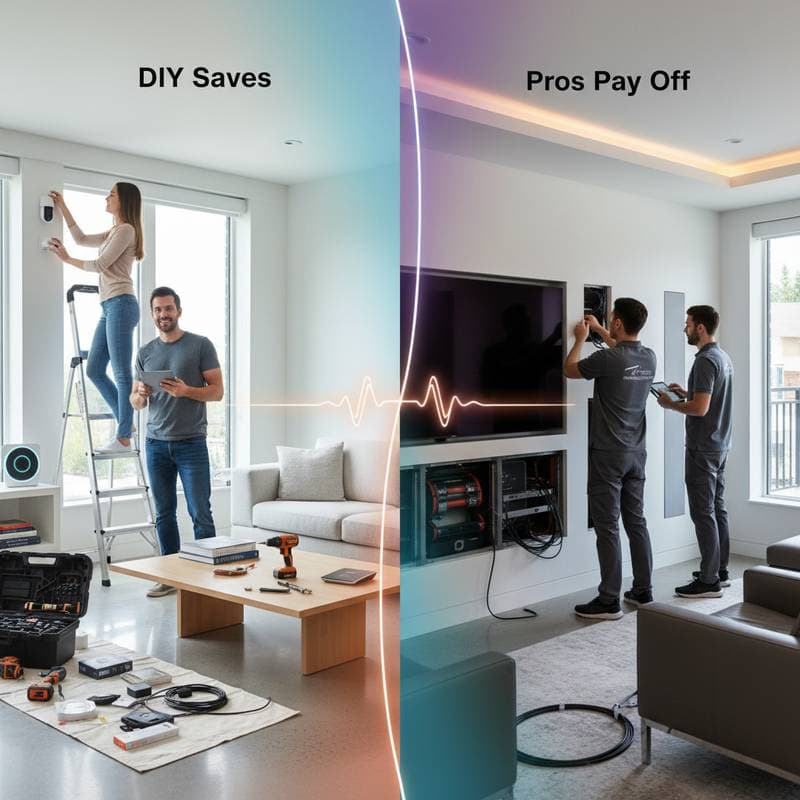
Deciding on a smart home setup involves weighing DIY cost savings against the reliability of professional installation. While DIY provides flexibility and affordability, professionals deliver expert integration and compliance with safety standards. Homeowners often combine approaches, starting with simple devices and consulting experts for advanced features to build a secure, efficient connected home.
Smart homes offer convenience yet conceal costs. DIY provides savings and control but requires effort and fixes. Professional services ensure integration and durability, guiding choices for optimal home automation.
Smart home building extends past devices to weigh expenses, duration, and proficiency. Self-setups provide adaptability and education, yet unseen charges and integration hurdles accumulate. Expert services ensure smooth linkage, protection, and enduring performance. Grasping these choices aids in selecting efficient, viable automation paths.
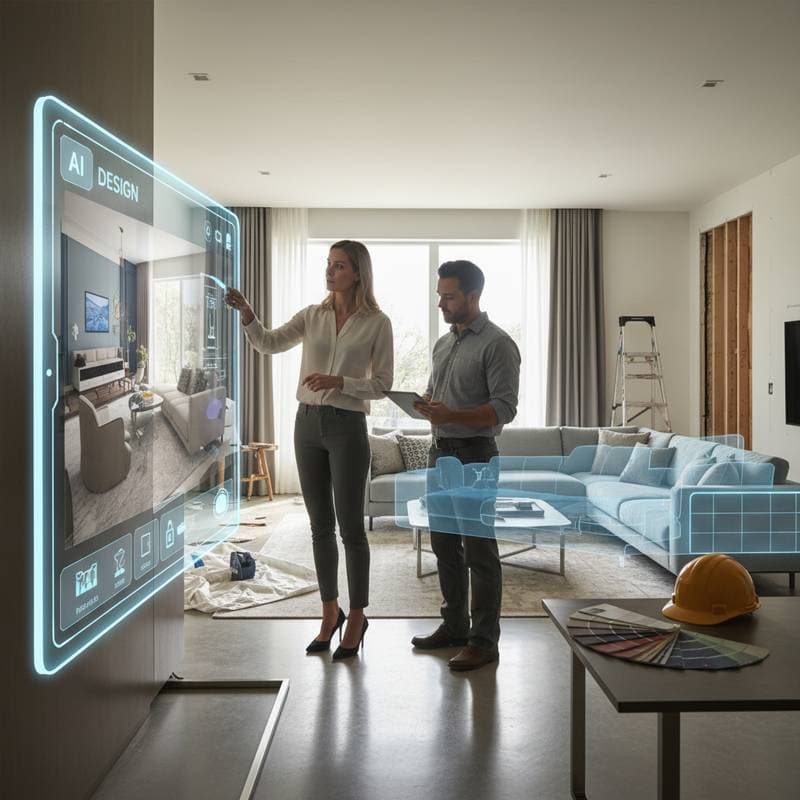
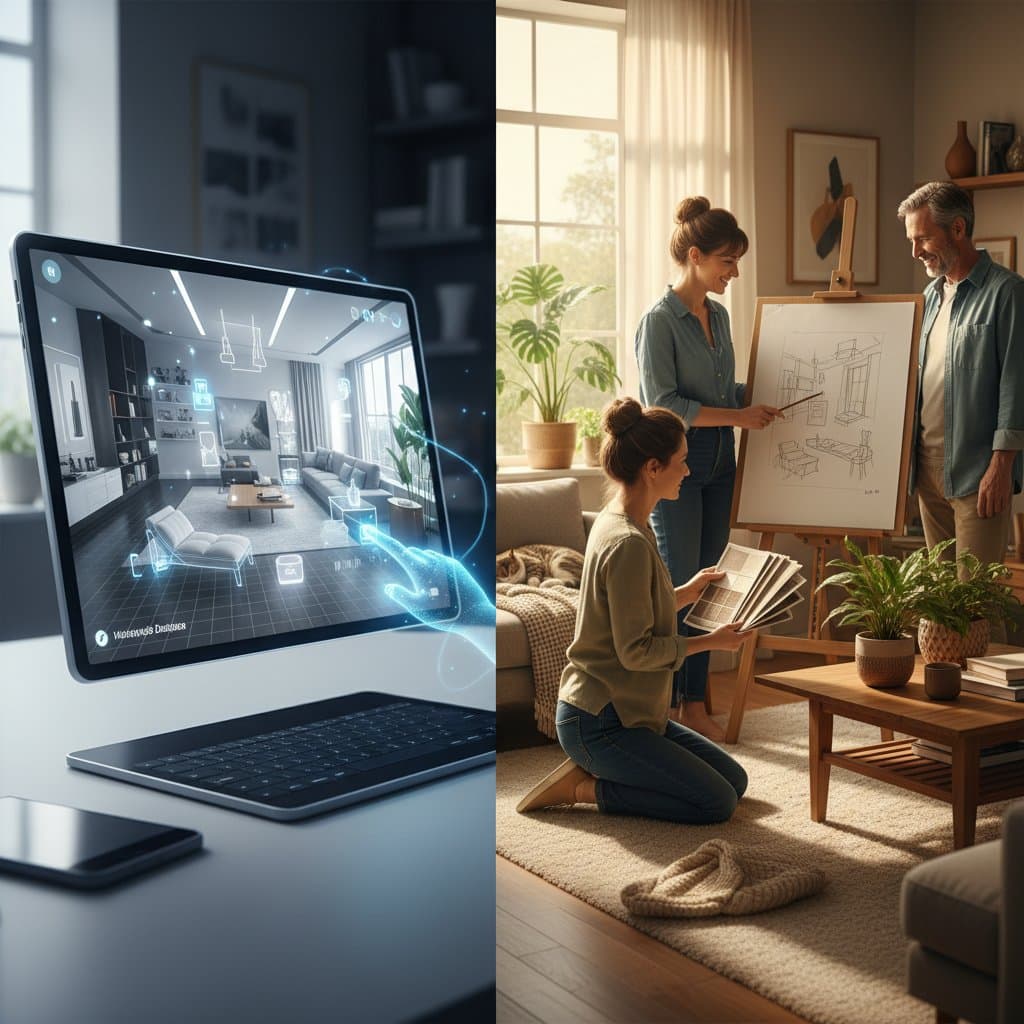
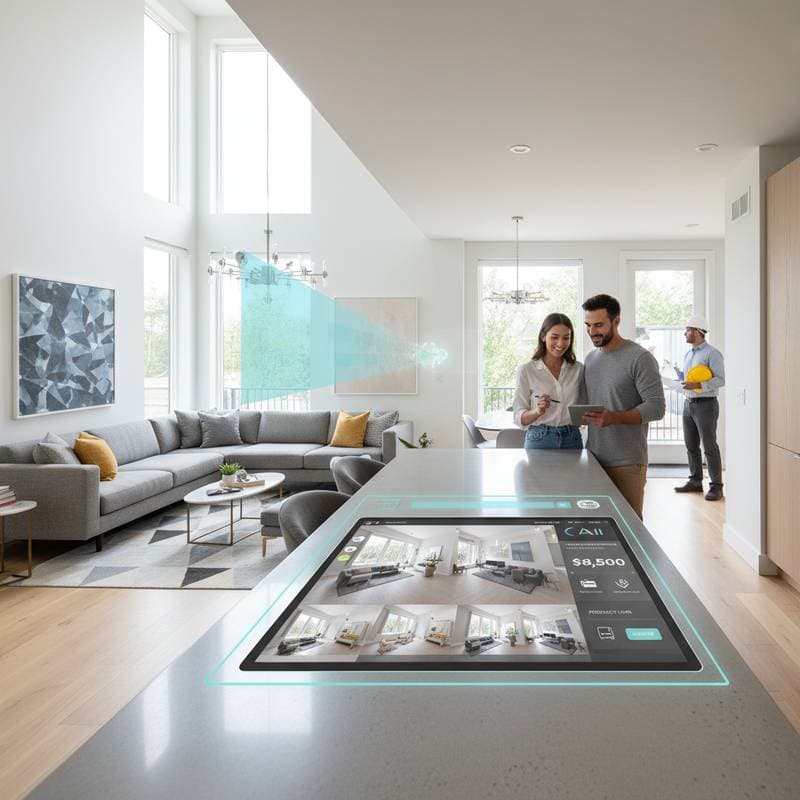
By 2026, AI design tools transform home remodels through rapid, cost-effective visualizations, but professional designers excel in creativity, regulatory compliance, and personal insight. The optimal strategy involves a hybrid method that merges AI speed with human skill, shortening project timelines, boosting returns on investment, and producing beautiful, safe environments.
AI design tools transform home planning with speed and affordability, yet professional designers provide unmatched emotional depth and practical insight. The optimal path forward integrates AI efficiency with human expertise for authentic, sustainable spaces that endure.
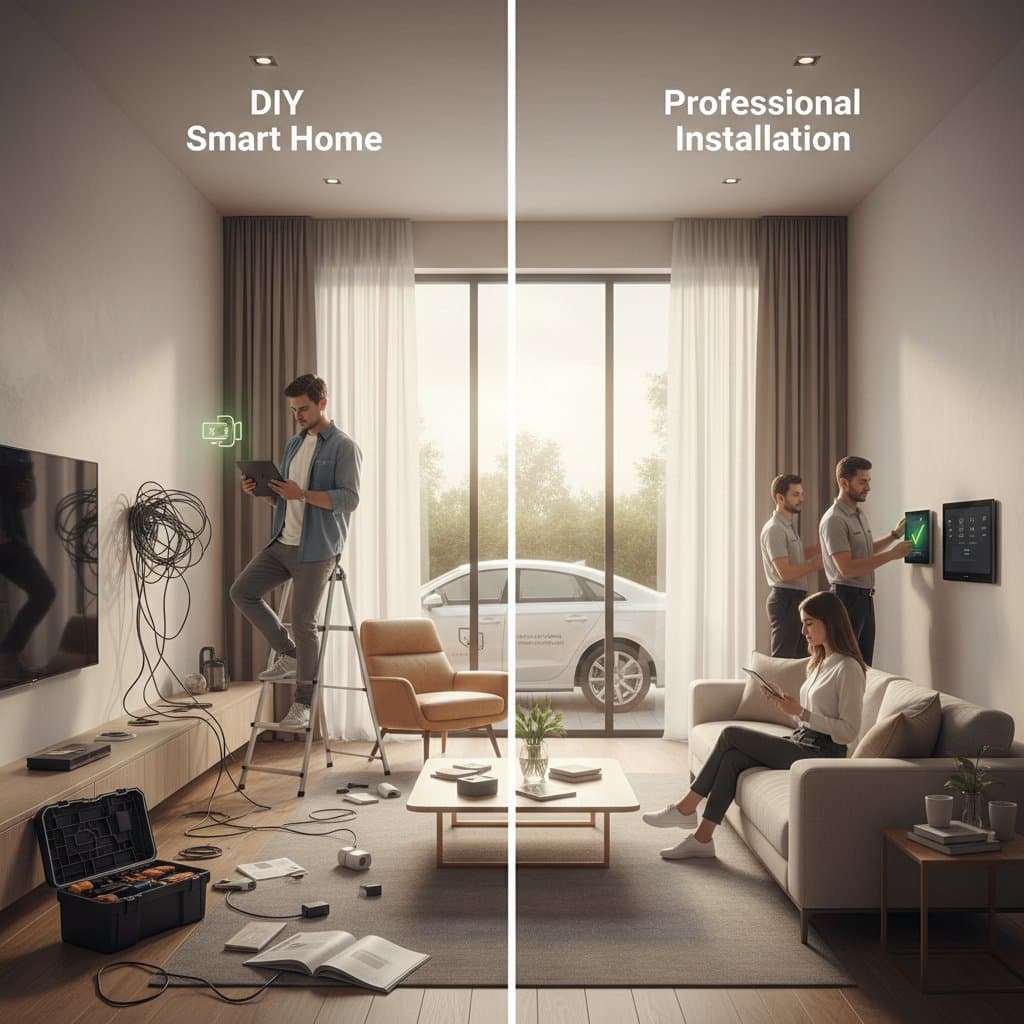
Decide between self-installing smart home devices or hiring experts by examining costs, benefits, and risks. This overview helps match the right method to your skills, budget, and home needs for seamless automation.
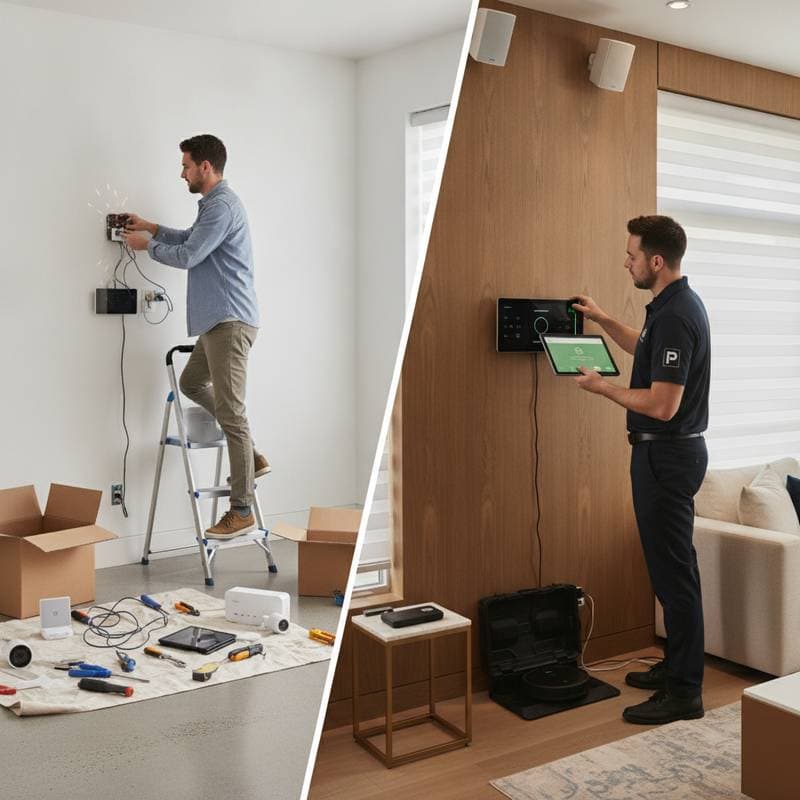
Consider the choice between a DIY smart home approach and professional installation. The DIY method provides affordability and customization, yet it demands technical know-how. Professional services ensure smooth operation and ongoing assistance, though at greater expense. Determine the optimal path based on your financial situation, daily routines, and technical aptitude to establish an efficient smart home environment.
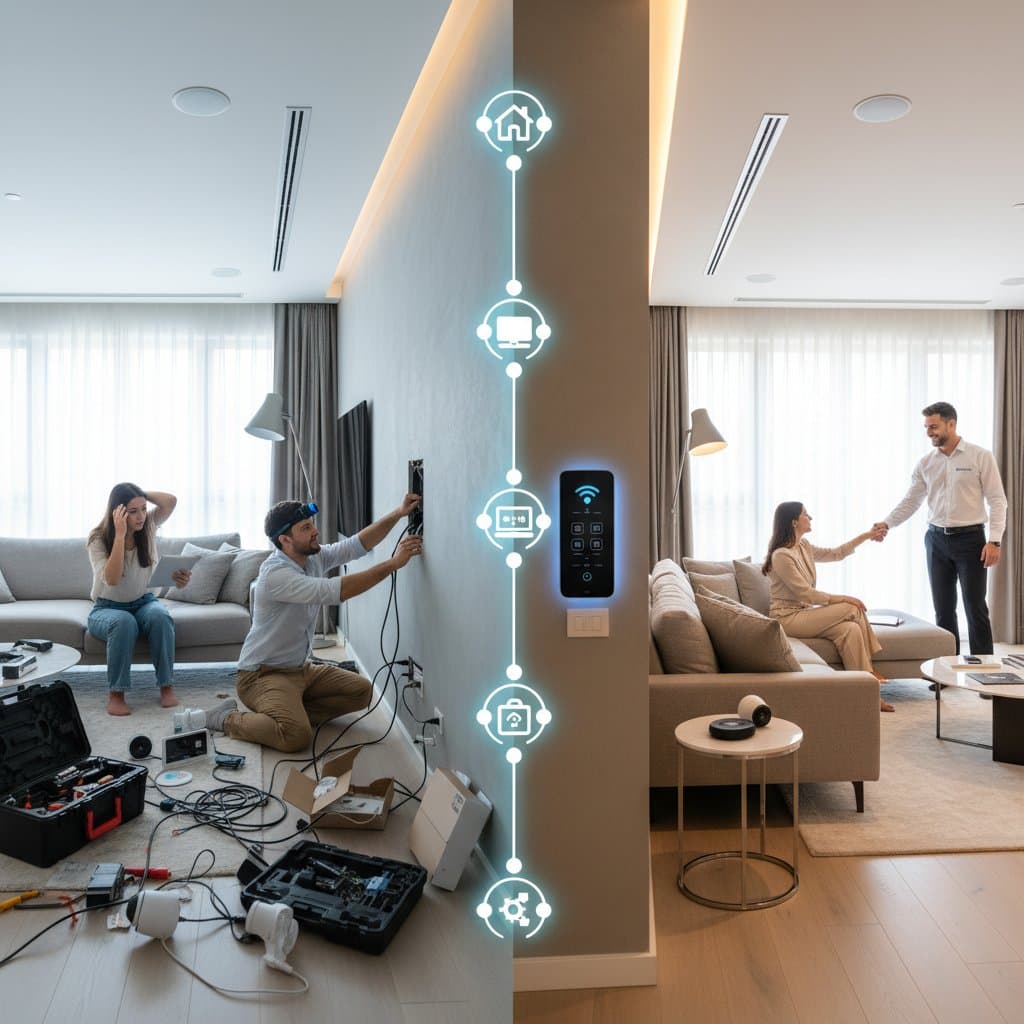
Elevate your home from isolated smart devices to a cohesive intelligent system. This analysis contrasts DIY, hybrid, and professional approaches, detailing expenses, dependability, expansion options, and safety measures to guide your decision toward efficient automation and sustained benefits aligned with your needs and finances.
In 2026, AI design tools match the expertise of human decorators, providing customized layouts, budget estimates, and shopping links in mere minutes. Homeowners benefit from rapid execution, significant savings, and greater creative input, though experts remain vital for intricate structural work. The optimal strategy combines AI's efficiency with professional insight to achieve intelligent, economical, and aesthetically superior home makeovers.
Transforming your home into a smart space involves choices between DIY efforts and professional services. Expenses range from modest starter kits to comprehensive systems costing thousands. This guide details when self-installation saves money, when expert help proves worthwhile, and strategies to manage unforeseen costs and expansions.
AI design tools deliver rapid visualization and cost savings for home updates, whereas professional designers provide nuanced expertise and personalization. Optimal outcomes emerge from integrating the two: leverage AI for initial concepts and efficiency, then enhance with professional input to craft tailored, practical, and aesthetically pleasing homes ready for 2026.
Installing a smart home requires deciding between DIY approaches for savings and professional services for assurance. DIY provides flexibility, reduced expenses, and personal involvement, whereas professionals ensure safety, smooth integration, and enduring performance. Numerous homeowners combine the two methods, beginning with simple installations and advancing to expert upgrades, to achieve equilibrium among expense, assurance, and the pleasure of a responsive living environment.
Creating a smart home requires weighing cost savings against reliability. DIY efforts reduce labor expenses but carry risks of errors, whereas professionals deliver secure, integrated setups that meet standards. A hybrid model, combining self-installed basics with expert handling of intricate tasks, achieves economical, dependable results with enduring satisfaction.
In 2026, smart homes demand thoughtful design. AI tools provide fast, cost-effective ideas, but professionals ensure intuition, safety, and personalization. Discover a hybrid method that combines both for optimal, enduring results.
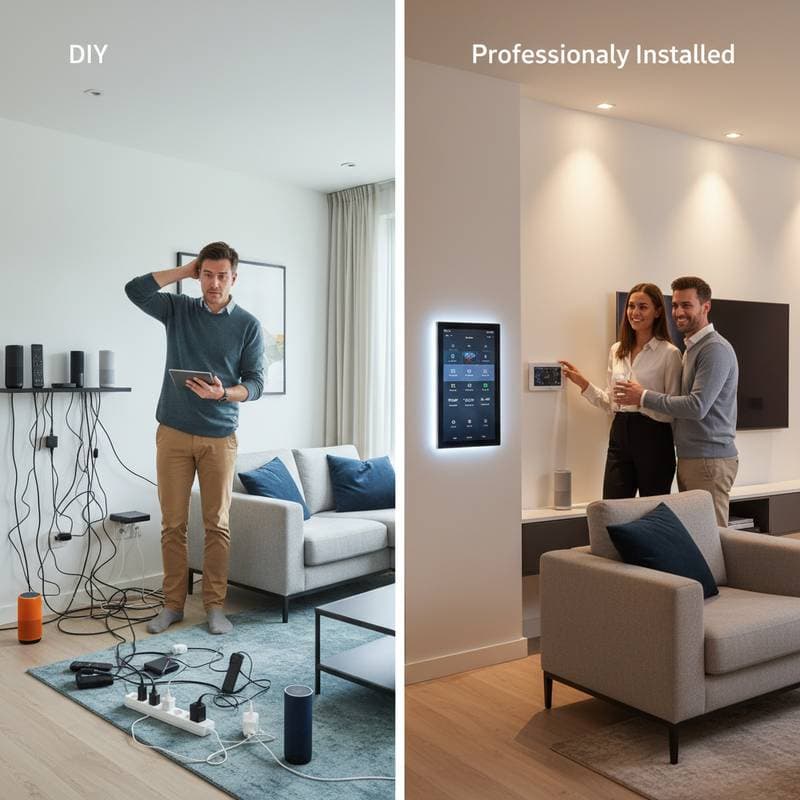
Deciding between DIY and professional smart home installation affects convenience, expenses, and oversight. DIY provides customization and affordability at the cost of time and expertise. Professionals ensure flawless execution and ongoing assistance. Consider hybrid options to merge advantages, with emphasis on secure planning and automation that elevates daily routines.
Upgrade your residence with smart technology? Self-installation cuts costs by hundreds yet requires technical skills and effort, whereas experts ensure flawless integration for a premium. Examine benefits, drawbacks, and combined methods to optimize ease, durability, and finances in your intelligent home.
Building a smart home involves more than selecting gadgets; it requires weighing costs, convenience, and expertise. While DIY options appear budget-friendly, they conceal expenses in compatibility, networking, and security. Professional services ensure smooth integration and ongoing support, though at a higher initial cost. A hybrid strategy frequently provides optimal control, dependability, and value over time.
Elevate your home with smart technology through informed choices. This analysis weighs DIY efforts against professional services, detailing expenses, durations, and strategies for success. Discover hybrid options that balance cost with dependable performance for lasting convenience.