
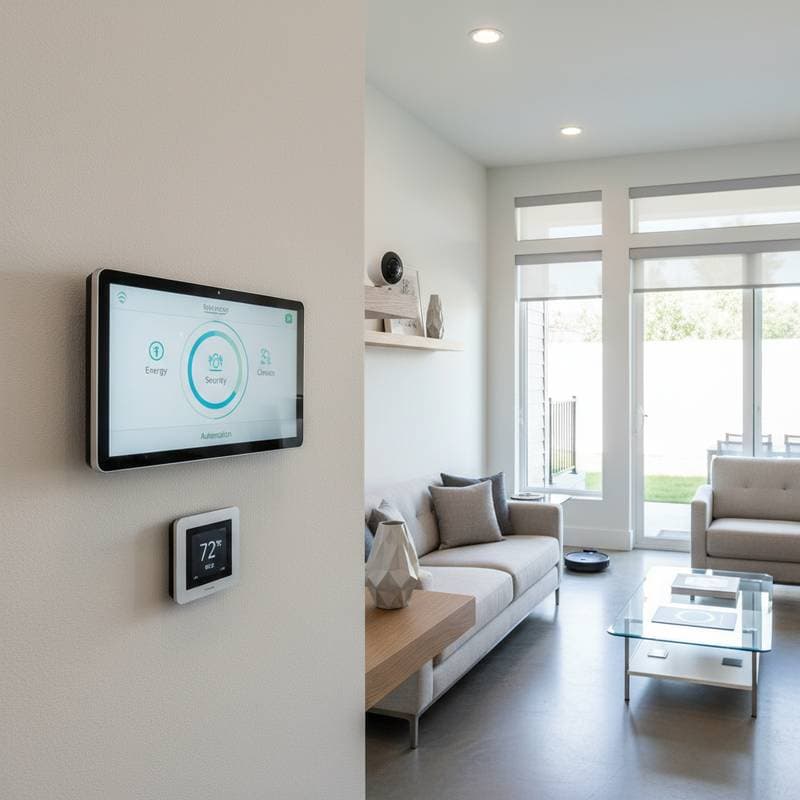
Essential Smart Home Technologies for Lasting Value
Manual control of lights, temperatures, and locks belongs to the past. Modern smart home systems evolve from optional features into essential investments that conserve resources, streamline tasks, and yield financial benefits. The most effective technologies blend into everyday life, providing both immediate usability and long-term advantages. This article examines high-impact smart home options and outlines a strategic implementation plan.
Core Categories of Smart Home Enhancements
Smart home improvements fall into four primary areas: energy optimization, security enhancement, environmental control, and routine automation. Thoughtful selection within these groups yields concrete improvements in efficiency and quality of life.
1. Energy Optimization Systems
Intelligent thermostats and automated lighting solutions stand out as top performers in cost reduction. Advanced thermostats employ machine learning to adjust temperatures based on occupancy patterns, potentially lowering heating and cooling expenses by 10 percent or more. Integrate these with smart vents for precise control in individual rooms, or use app-managed plugs and energy-efficient LED bulbs to track consumption and eliminate unnecessary usage.
To maximize returns, select thermostats compatible with utility programs that offer rebates. For example, program schedules to align with daily habits, such as reducing heat during work hours. Estimated investment: $150 to $400 for a thermostat unit, $10 to $50 per smart bulb, with regional incentives often offsetting initial costs.
2. Security and Surveillance Solutions
Electronic locks, doorbell cameras, and sensor networks deliver reliable protection and elevate property appeal. These components form a networked system that notifies users via mobile apps about potential issues, ensuring vigilance even when away from home. Prioritize devices with end-to-end encryption and multi-factor authentication to safeguard against breaches.
Installation tip: Position cameras to cover entry points without obstructing views, and test alert responsiveness before full deployment. Subscription-free models with onboard storage keep ongoing expenses low. Estimated investment: $200 to $800 for a comprehensive entry-level setup including locks and multiple cameras.
3. Environmental and Comfort Controls
Automated air purifiers, moisture monitors, and water leak detectors foster a salubrious indoor setting. These tools continuously assess air quality, humidity levels, and potential hazards, making real-time adjustments to sustain ideal conditions. Integration with voice-activated hubs enables hands-free operation, such as activating purification during high-pollen seasons.
For optimal performance, calibrate sensors to your home's specific layout and review data logs weekly to identify trends. Estimated investment: $100 to $500, scaled by advanced features like multi-room monitoring.
4. Automation for Daily Efficiency
Central voice hubs, motorized window treatments, and linked kitchen devices streamline household operations. Set routines where appliances activate in sequence, like blinds opening with sunrise or ovens preheating upon arrival. Lighting automations that mimic presence deter intruders while enhancing ambiance.
Begin with simple scenes, such as evening wind-down modes that dim lights and lower temperatures. Estimated investment: $50 to $600, depending on the extent of interconnected appliances.
Creating an Integrated Smart Home Network
Effective smart homes rely on interoperable platforms rather than isolated gadgets. Opt for standards like Matter or ecosystems such as Apple HomeKit to guarantee seamless device interaction across manufacturers. Establish a central controller, like a multi-purpose speaker or dedicated hub, as the foundation for expansion.
Adopt a step-by-step rollout: Install core energy and lighting controls first to realize quick wins, then incorporate security and comfort elements. This method allows testing of interactions and customization to personal preferences, avoiding compatibility frustrations.
Resolving Typical Smart Home Challenges
Dependence on reliable Wi-Fi underpins all smart functions. Address intermittent connectivity by mapping signal weak spots and deploying a mesh network for uniform coverage throughout the home. Perform firmware updates monthly to patch vulnerabilities and enhance reliability.
When automations do not execute as planned, verify app permissions, reset devices if needed, and confirm that triggers align with intended times or conditions. Document routines in a central app for easy adjustments.
Prioritizing Safety and Expert Installation
Many smart devices support self-installation, but projects involving electrical modifications or structural changes require certified electricians or technicians. Confirm that all selections carry approvals from bodies like UL or ETL to meet local safety standards.
Review privacy laws before deploying surveillance tools; for instance, ensure cameras do not capture neighboring properties. Consult professionals for custom wiring to integrate legacy systems with new smart components.
Optimizing and Maintaining Your Smart Setup
After initial configuration, refine settings based on actual usage patterns. Tweak sensor thresholds for accuracy, assign intuitive labels to devices for voice control, and set alerts for routine upkeep like filter replacements.
Examine usage analytics regularly to uncover efficiencies, such as adjusting thermostat setbacks for greater savings. These systems transform residences into dynamic spaces that prioritize well-being, security, and sustainability, delivering ongoing value through reduced costs and enhanced livability.