
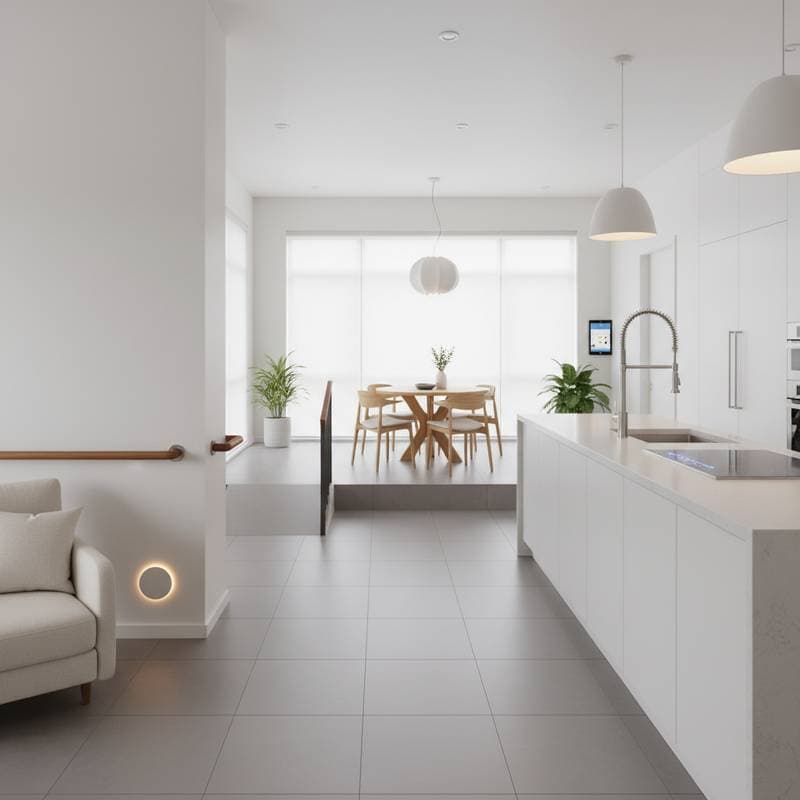
Introduction to Senior-Friendly Home Modifications
Aging family members benefit greatly from homes adapted to their changing needs. Simple modifications allow individuals to remain in familiar surroundings while minimizing risks associated with mobility challenges. These upgrades focus on accessibility, illumination, and hazard reduction to preserve independence and dignity.
Planning ahead proves essential. Anticipate requirements such as easier navigation and stable support structures before issues arise. This approach ensures the home evolves into a supportive space that enhances quality of life.
Prioritizing Key Areas for DIY Upgrades
Target high-traffic zones first to maximize impact. Bathrooms, kitchens, entryways, and stairways present the most common risks for falls and strains. Begin with assessments in these areas to identify immediate priorities.
Bathroom Enhancements
Bathrooms demand attention due to wet surfaces and confined spaces. Install grab bars near toilets and showers, ensuring they anchor securely into wall studs for reliable support. Use non-slip mats inside and outside tubs, and consider lever-style faucets that require less grip strength.
Upgrade showerheads to handheld models for seated bathing options. Add a fold-down bench if space permits, constructed from waterproof materials. These features reduce strain and prevent slips, allowing safe personal care routines.
Kitchen Adjustments
Kitchens facilitate daily tasks but often involve reaching and bending. Lower frequently used cabinets or install pull-down shelves to bring items within easy reach. Replace round knobs with lever handles on appliances and cabinets for simpler operation.
Incorporate slip-resistant flooring, such as textured vinyl tiles, to counter spills. Position electrical outlets higher on walls to avoid bending, and ensure clear pathways between counters and appliances. These changes promote efficient meal preparation without unnecessary physical effort.
Entryway and Stairway Improvements
Entryways serve as the first line of defense against accidents. Widen doorways to at least 32 inches to accommodate wheelchairs or walkers, and install lever handles instead of doorknobs. Add outdoor ramps with gentle slopes if steps exist, using pressure-treated wood for durability.
For stairways, apply glow-in-the-dark tape to edges for visibility. Mount handrails on both sides, extending them beyond the top and bottom steps for secure transitions. These modifications ease movement and reduce fall risks during arrivals and departures.
Lighting and General Accessibility
Poor lighting contributes to many mishaps. Replace standard bulbs with LED options that provide even, warm illumination without glare. Install motion-sensor lights in hallways, closets, and exterior areas to activate automatically.
Remove area rugs or secure them with double-sided tape to prevent tripping. Arrange furniture to create wide, unobstructed walkways at least 36 inches across. Smart thermostats and voice-activated devices further simplify environmental controls.
Budgeting Effectively for These Modifications
Most projects remain accessible for DIY enthusiasts, requiring basic tools and materials. A comprehensive safety overhaul typically costs between $1,000 and $3,000 when individuals perform the labor. Professional assistance for electrical or plumbing elements may increase expenses to $5,000, yet guarantees adherence to building codes.
Strategies to Control Costs
- Focus initially on critical zones like bathrooms and entrances to allocate funds wisely.
- Research community grants or utility rebates designed for accessibility enhancements.
- Time purchases around promotional periods to secure discounts on hardware and fixtures.
- Repurpose existing items, such as adapting solid wood pieces into supportive elements.
Investments in these areas yield lasting returns. Safety features not only protect residents but also elevate the property's market appeal over time.
Pitfalls to Sidestep in Implementation
Thoughtful execution prevents setbacks in even straightforward endeavors. Address these frequent oversights to maintain project integrity.
- Neglecting structural support for installations like grab bars, which require fastening to studs rather than drywall alone.
- Installing overly bright fixtures that produce shadows or reflections, undermining visibility; opt for layered, soft lighting instead.
- Overlooking transitions between rooms, such as raised thresholds that impede rolling walkers or wheelchairs.
- Selecting smooth, polished surfaces for floors, which heighten slip dangers; choose matte, grippy alternatives.
- Omitting alternative power sources for connected devices, ensuring functionality during outages.
Conduct a thorough inspection post-installation. Verify that no loose wires or irregular surfaces compromise pathways, addressing concerns promptly.
Sustaining Modifications Over Time
Regular upkeep preserves the effectiveness of these enhancements. Wipe down grab bars and floors weekly to eliminate residues that could cause slips. Swap out fading bulbs immediately and inspect anchors seasonally for tightness.
Examine ramps, railings, and outdoor lights during weather shifts. Address corrosion or loosening early to avert major issues. Integrate these checks into routine home maintenance schedules.
Accessibility serves as an ongoing commitment. Such diligence upholds a welcoming atmosphere that prioritizes well-being.
Realizing Lasting Comfort and Independence
Completed modifications transform daily experiences. Seniors navigate showers securely, prepare meals effortlessly, and enter homes without hesitation. These adaptations affirm that aging occurs with grace and autonomy.
The cumulative effect extends beyond immediate safety. Family members gain reassurance, knowing the environment actively supports loved ones. A thoughtfully modified home embodies care, enabling vibrant living in a cherished space.