
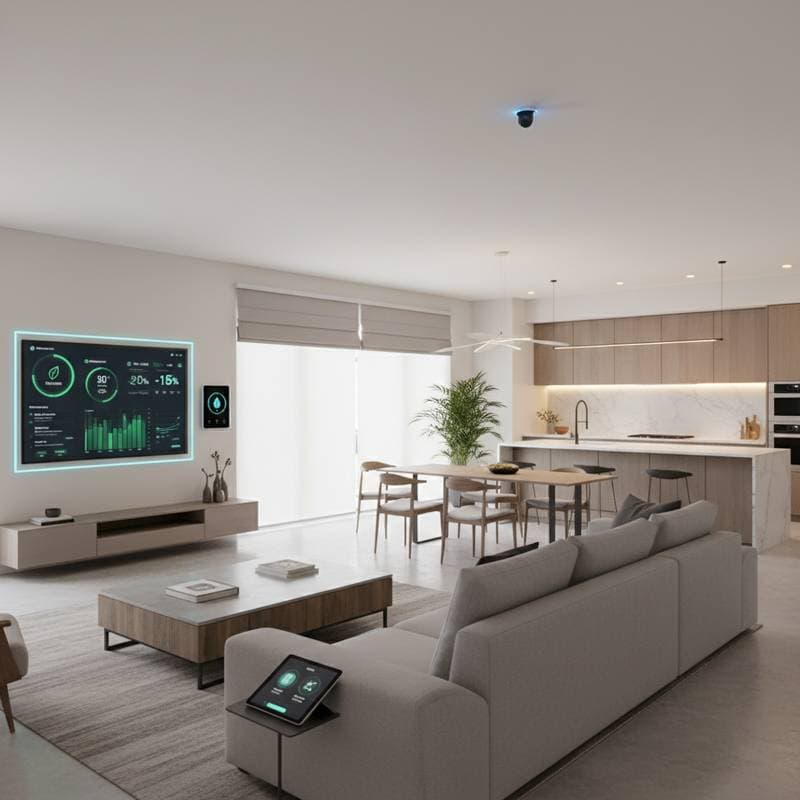
These Smart Home Technologies Deliver Returns in 2025
Imagine waking to sunlight filtering through automatically adjusted blinds, the aroma of freshly brewed coffee, and a thermostat that maintains your preferred temperature without effort. Smart home technology has transformed such scenarios from distant dreams into everyday realities. These systems now extend beyond mere convenience to offer tangible benefits in energy savings, enhanced security, and increased property value for homeowners upgrading in 2025.
Homeowners who invest thoughtfully in these technologies often see reductions in utility bills, lower insurance rates, and protections against costly damages. The evolution of interconnected devices allows for seamless automation that aligns with daily routines and environmental goals. As a result, selecting the right upgrades becomes a strategic decision that balances immediate comfort with long-term financial gains.
Key Benefits at a Glance
- Smart thermostats and energy monitors reduce heating and cooling expenses by adapting to usage patterns.
- Advanced security setups provide real-time alerts and qualify for insurance discounts of up to 10 percent.
- Leak detection systems avert water damage repairs that average thousands of dollars.
- Integrated lighting and appliance controls minimize energy waste through automation.
- Comprehensive networks boost home resale value by 3 to 5 percent, appealing to tech-savvy buyers.
Enhancing Security for Safety and Savings
Contemporary security systems integrate seamlessly into daily life, featuring door sensors, motion detectors, and high-resolution cameras that connect to smartphones for instant notifications. Cloud storage ensures footage remains accessible, while automated features like geofencing activate protections when residents leave the property. These advancements not only deter intruders but also contribute to financial advantages through insurance incentives.
Installation costs for a full system typically range from 300 to 1000 dollars, covering multiple cameras and sensors. Insurers often reduce premiums by up to 10 percent for properties with professional monitoring or integrated smoke detection. Over a decade, these discounts can accumulate to hundreds of dollars, offsetting the initial outlay while preventing potential losses from theft or emergencies that exceed 5000 dollars on average.
The psychological benefits prove equally compelling. Remote access allows homeowners to verify deliveries, grant temporary entry to service providers, or monitor children from afar. For those with irregular schedules or vacation properties, this level of oversight fosters confidence without constant vigilance.
Preventing Water Damage with Intelligent Monitoring
Water-related issues rank among the costliest home repairs, with floods from leaks often exceeding 5000 dollars in remediation. Smart water management employs sensors strategically placed near water heaters, washing machines, and under sinks to detect moisture early. Upon sensing anomalies, these devices send push notifications and, in advanced configurations, automatically shut off the main water supply to limit spread.
Entry-level sensors cost about 50 dollars each, while systems with automatic valves fall between 300 and 600 dollars. Such investments prove essential in homes with aging plumbing or flood-prone locations. Several insurers offer premium reductions for these preventive measures, recognizing their role in mitigating claims.
Beyond detection, usage analytics reveal consumption trends, pinpointing hidden leaks or excessive draws from irrigation. Homeowners in drought-affected areas or those facing tiered water rates benefit from data-driven adjustments, potentially lowering bills by 20 percent. This proactive approach extends appliance lifespan and supports conservation efforts.
Elevating Appliances for Efficiency and Appeal
Kitchen and laundry appliances have advanced to include features like inventory tracking in refrigerators and load-optimized cycles in washers. Ovens preheat via app commands, ensuring meals align with arrival times, while dishwashers adjust water and energy based on soil levels. These capabilities reduce operational costs and enhance user experience through predictive maintenance alerts.
Pricing varies: smart refrigerators range from 1500 to 3000 dollars, and connected ovens or washers begin at 800 dollars. Prioritize Energy Star-certified models with over-the-air updates to guarantee longevity and compatibility. When linked to broader home networks, they optimize performance during off-peak energy hours, yielding annual savings of 100 to 200 dollars.
For resale, equipped kitchens signal modernity to prospective buyers who prioritize functionality. Surveys indicate that 70 percent of home shoppers view smart appliances as desirable upgrades, differentiating properties in competitive markets. This integration positions the home as forward-thinking and resource-efficient.
Achieving Synergy Through System Integration
Isolated devices offer value, but true efficiency emerges from interconnected ecosystems. Thermostats communicate with occupancy sensors to adjust settings dynamically, while lights dim in response to natural illumination. Security integrations ensure doors lock upon detecting absence, creating a responsive environment that anticipates needs.
Professional setup fees span 500 to 1500 dollars, tailored to the scope involving electrical, HVAC, and network components. While basic connections suit DIY enthusiasts, intricate setups demand expertise to avoid compatibility issues or safety risks. Reliable integration maximizes device potential, often recouping costs within two years through compounded efficiencies.
Market data shows that homes with unified smart systems command 3 to 5 percent higher sale prices. Buyers associate these features with reduced maintenance and adaptability to emerging standards like net-zero energy. Thus, integration not only streamlines operations but also future-proofs the property.
Safeguarding Data in a Connected Home
Each smart device expands the home network, necessitating robust cybersecurity measures. Begin by replacing factory-default passwords with strong, unique combinations and activating two-factor authentication across accounts. Regular firmware updates patch vulnerabilities, while reputable manufacturers disclose data practices clearly.
Segment devices onto a dedicated Wi-Fi band to shield personal computers from potential breaches. A router with built-in security features, priced around 200 dollars, automates threat detection and updates. These steps minimize risks without compromising usability, ensuring the smart home remains a sanctuary rather than a liability.
Homeowners should review privacy policies during purchases and limit data sharing to essential functions. Periodic audits of connected devices help identify and remove unused items that could serve as entry points. This vigilance preserves trust in the technology while enabling its full benefits.
Embracing Sustainability Through Automation
Smart systems advance eco-friendly living by curbing resource use intelligently. Irrigation controllers sync with weather data to water only when necessary, slashing outdoor consumption by up to 30 percent. Plugs that eliminate standby power from unused gadgets address vampire energy, which accounts for 10 percent of household electricity.
Pairing with solar panels allows inverters to prioritize renewable sources, storing excess for peak demands. This setup lowers reliance on grid power and qualifies for utility rebates in many regions. Over time, such configurations reduce carbon footprints and energy expenditures simultaneously.
Durability factors into sustainable choices: opt for modular designs with user-replaceable parts and extended warranties. These selections diminish e-waste and sustain performance, aligning smart homes with broader environmental responsibilities.
Actionable Steps for Implementation
Start by assessing current needs: audit energy bills for high-usage areas and survey home layout for sensor placements. Research compatible brands like Nest or Ring that support open protocols for future expansions. Budget 10 to 20 percent extra for installation to cover unforeseen wiring or configurations.
Test integrations in phases, beginning with core elements like thermostats before adding peripherals. Engage certified installers for electrical work to comply with local codes. Track performance via built-in apps to refine settings, ensuring optimal returns on investment.
Finally, educate household members on device operation and security protocols. This shared knowledge maximizes adoption and prevents common pitfalls, turning the smart home into a reliable asset for years ahead.