
Essential Strategies for Climate-Proofing Your Home
Homeowners increasingly recognize that erratic weather patterns pose persistent risks to property and daily life. Storms, floods, and temperature extremes can elevate utility expenses and compromise structural integrity. Proactive measures allow you to fortify your home, ensuring it remains a secure and efficient space regardless of external conditions.
Climate-proofing focuses on strategic enhancements rather than drastic overhauls. Select durable materials and implement incremental adjustments that yield lasting benefits. These approaches suit diverse environments, from coastal regions vulnerable to hurricanes to inland areas battered by blizzards or droughts, safeguarding your home while preserving its value.
Strengthening Your Roof as the Primary Barrier
The roof endures the full force of environmental assaults, making its upkeep a priority for overall home protection. Conduct thorough inspections twice annually to identify damaged shingles, loosened nails, or early moisture intrusion. Prompt replacement of compromised elements averts escalation into extensive interior damage and associated repair costs.
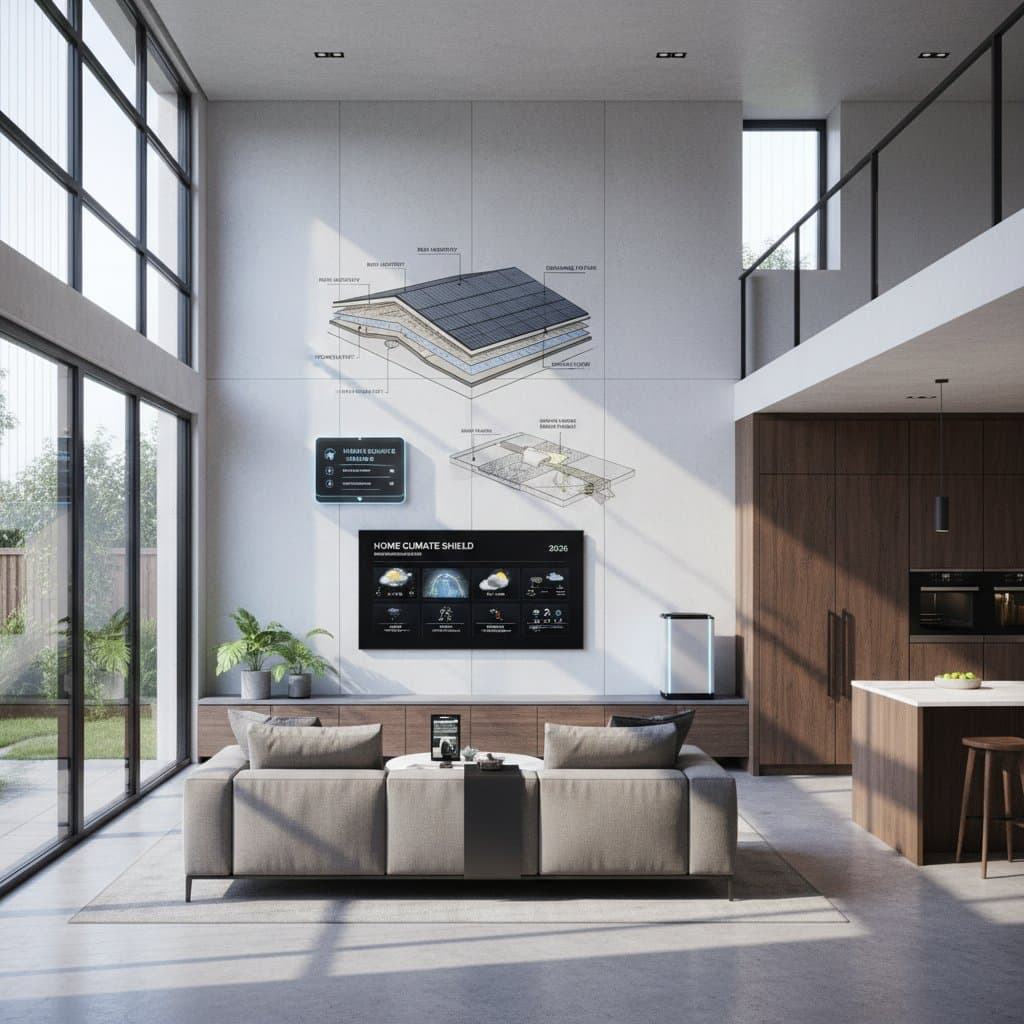
In areas susceptible to high winds or intense precipitation, opt for advanced materials such as impact-rated metal roofing or fortified composite shingles. These options, though initially 20 to 40 percent pricier, qualify for longer warranties and potential reductions in insurance premiums. Incorporate a robust waterproof membrane under the roofing layer to block water penetration should the exterior sustain damage.
Maintain clear pathways for water runoff by cleaning gutters and downspouts every three months. Blockages lead to overflows that erode foundations, harm exterior walls, and flood basements. Gutter guards, installed for around $5 to $10 per linear foot, minimize debris accumulation and streamline ongoing care.
Enhancing Insulation and Sealing for Thermal Efficiency
Proper insulation and sealing form the backbone of a home's ability to regulate internal temperatures amid fluctuating weather. Begin by auditing attics, walls, and crawl spaces for gaps or inadequate coverage. Add blown-in cellulose or fiberglass insulation to attics, aiming for an R-value of at least 38 in colder climates, which can slash heating demands by up to 20 percent.
Seal air leaks around windows, doors, and electrical outlets using weatherstripping and caulk. These barriers prevent drafts that force heating and cooling systems to overwork, potentially lowering energy bills by 10 to 15 percent annually. For optimal results, combine these with energy-efficient windows featuring low-emissivity coatings, which reflect heat while allowing natural light.
In humid regions, integrate vapor barriers to control moisture buildup within walls. This step not only boosts comfort but also deters mold growth, extending the life of interior finishes and structural components.
Optimizing Drainage and Landscaping to Combat Water Intrusion
Excess water ranks among the top threats to home stability, capable of undermining foundations and infiltrating living spaces. Verify that your property grades at a minimum two percent slope away from the house to direct runoff effectively. Extend downspout extensions to at least six feet from the structure, channeling water to safe dispersal points.
Install subsurface solutions like French drains or permeable pavements in low-lying areas to manage heavy rainfall. These systems, costing $10 to $30 per linear foot, absorb and redirect moisture, preventing pooling that could lead to soil saturation and structural shifts.
For flood-vulnerable zones, equip your basement with a reliable sump pump featuring battery backup, priced between $250 and $600 including setup. Raise utility installations, such as furnaces and circuit breakers, onto elevated platforms to shield them from rising water. Landscape with deep-rooted native species like switchgrass or willows, which stabilize soil, absorb surplus water, and promote biodiversity without demanding excessive upkeep.
Integrating Energy-Efficient Systems for Sustained Performance
Modern energy systems play a crucial role in maintaining home resilience while curbing operational costs. Upgrade to high-efficiency HVAC units with SEER ratings above 16, which adapt to varying loads and reduce electricity use by 30 percent or more. Pair these with programmable thermostats that adjust settings based on occupancy and weather forecasts.
Consider solar panels or geothermal heat pumps for regions with extreme seasonal swings. Solar installations, eligible for federal incentives, generate power during peak sun hours and store excess in batteries for outages, offsetting bills by 50 to 70 percent. Geothermal options leverage stable ground temperatures for consistent heating and cooling, ideal for long-term savings in variable climates.
Routine filter changes and duct sealing ensure these systems operate at peak efficiency. Such maintenance prevents strain during heat waves or cold snaps, preserving comfort without spiking energy consumption.
Building Safety and Emergency Readiness
A fortified home requires a comprehensive emergency framework to handle disruptions effectively. Assemble a kit containing flashlights, extra batteries, bottled water for three days, canned goods, and portable chargers for communication devices. If you rely on a whole-home generator, perform monthly tests and position fuel storage in ventilated, secure outdoor locations.
Clearly mark shutoff locations for water, gas, and electrical mains, and practice accessing them swiftly. Develop and rehearse family evacuation plans, including multiple routes and assembly points. Designate storage for vital documents and medications in waterproof containers, ensuring quick retrieval during crises.
Conduct annual drills to familiarize all household members with procedures. These preparations transform potential chaos into controlled responses, minimizing risks and accelerating recovery.
Sustaining Resilience Through Ongoing Care
Climate-proofing demands vigilance to preserve enhancements over time. Arrange professional inspections for roofing, drainage, and mechanical systems at the start of each season. Address minor issues promptly to avoid compounding problems that could undermine prior investments.
Track maintenance activities in a dedicated log, noting dates, costs, and outcomes. This record aids in budgeting for future needs and demonstrates diligent care to appraisers or buyers.
Each upgrade reinforces not only physical durability but also personal security. By committing to these practices, you create a home that adapts to environmental demands, delivering enduring comfort and economic advantages for years ahead.