
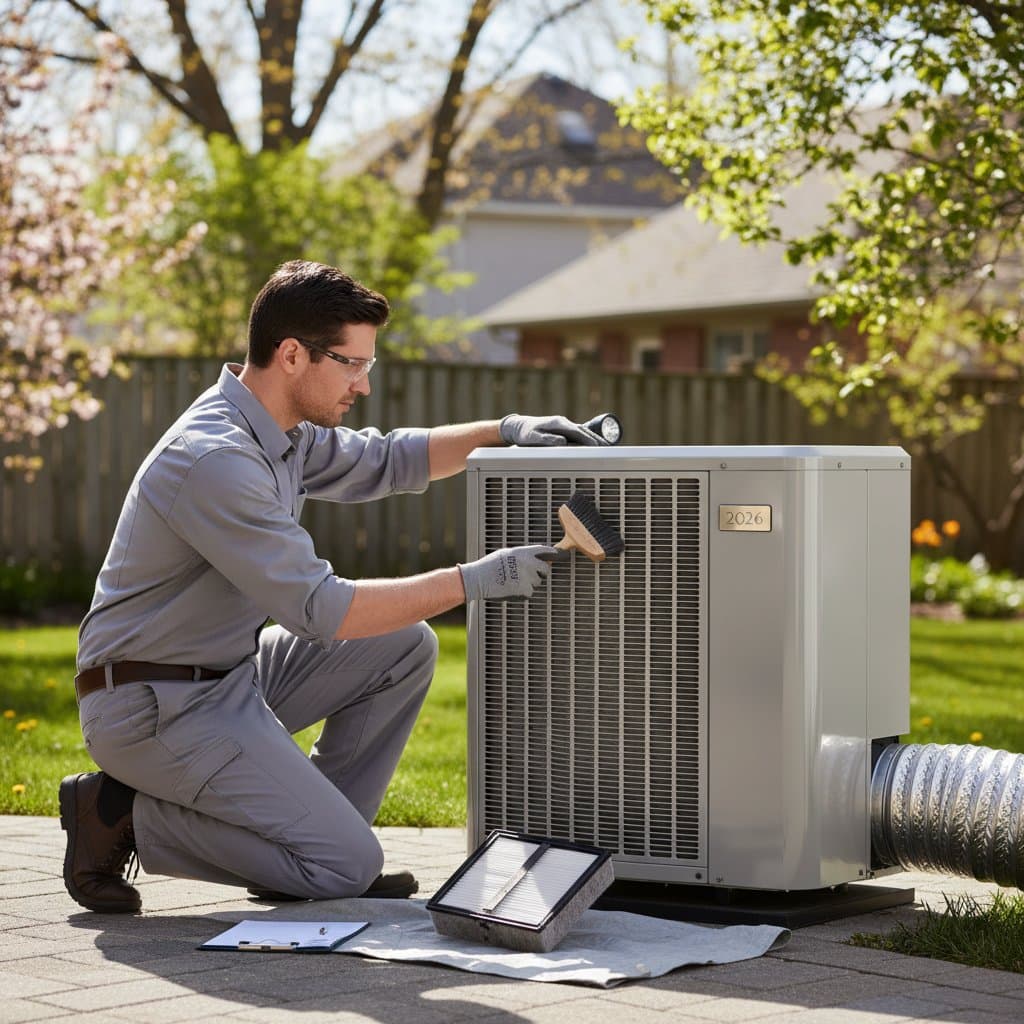
Spring HVAC Preparation: Safeguarding Against Summer Failures
Air conditioning systems demand proactive care to perform optimally during peak heat. Preparation in spring allows for thorough inspection and maintenance before demand surges. Delaying action until temperatures climb often results in system strain, inefficiency, and unexpected expenses.
Essential Benefits of Early Action
- Proactive maintenance averts major failures during intense cooling periods
- Routine tune-ups range from $100 to $250, far less than emergency repairs exceeding $1,000
- Thorough cleaning and checks enhance energy use by up to 15 percent
- Expert evaluations detect potential hazards and inefficiencies early
The Importance of Seasonal Readiness
HVAC units endure constant exposure to environmental elements, accumulating dust, pollen, and debris over cooler months. This buildup compels the system to labor excessively upon activation for cooling. Such strain accelerates component wear, elevates electricity consumption, and disrupts temperature consistency throughout the home.
Proper upkeep extends unit longevity to 15 years or more, compared to half that duration with neglect. Spring efforts represent a strategic investment in sustained comfort, financial savings, and property preservation.
Step 1: Air Filter Maintenance
Begin with filter assessment, a foundational task for system health. Clogged filters impede airflow, compelling the blower to consume additional energy and potentially overheat. Exchange disposable filters or wash reusable variants every one to three months, adjusting frequency for high-traffic homes or allergen-heavy environments.
Opt for high-MERV rated filters to capture finer particles, though they may range from $15 to $40 each. This choice not only eases system load but also enhances indoor air purity, benefiting respiratory health.
Step 2: Outdoor Condenser Cleaning
Examine the exterior condenser unit prior to seasonal startup. Remove vegetation, debris, and obstructions extending at least two feet around the base to facilitate unrestricted operation. Hose down the coil surfaces gently with low-pressure water to dislodge accumulated grime, taking care not to distort delicate fins.
Observe for signs of deterioration such as rust, bent fins, or frayed electrical components, which necessitate professional intervention. While surface cleaning suits DIY capabilities, any electrical or structural concerns require certified expertise to ensure safe functionality.
Step 3: Thermostat and Airflow Verification
Activate the cooling setting on the thermostat to confirm prompt system response. Prolonged delays or issuance of uncooled air indicate underlying issues warranting immediate attention. Consider installing a smart thermostat, which optimizes settings via scheduling and remote access, potentially trimming cooling expenses by 10 percent annually.
Simultaneously, survey interior spaces to verify that supply vents remain unobstructed by furnishings or fabrics. Blocked pathways foster hot spots and compel the unit to cycle longer, amplifying wear and energy demands.
Step 4: Ductwork and Insulation Assessment
Air leakage through ducts dissipates up to 20 percent of conditioned air, inflating bills and compromising comfort. Detect escapes by observing an incense stick's smoke trail near seams during system operation; drifting smoke signals breaches. Apply mastic sealant or aluminum foil tape to minor gaps as a straightforward remedy.
For extensive networks or insulation deficiencies, engage a specialist for comprehensive evaluation. Sealing services, priced at $300 to $700 based on residence scale, typically recoup costs within one to two years via efficiency gains.
Step 5: Comprehensive Professional Service
Annual expert servicing provides assurance beyond basic checks. Technicians measure refrigerant charge, lubricate moving parts, sanitize evaporator coils, and scrutinize wiring integrity. Such visits, costing $100 to $250, preempt failures like compressor burnout that demand thousands in replacement.
Explore service contracts offering biannual inspections and expedited repairs. These plans mitigate downtime risks and often include discounts on parts, fostering long-term system vitality.
Step 6: Condensate Drain and Safety Mechanism Testing
Clogs in drain lines from microbial growth or sediment can trigger overflows, risking structural harm. Flush lines with a vinegar solution or compressed air to clear blockages, then verify flow. Test auxiliary float switches by simulating backups to confirm automatic shutdown capabilities.
These safeguards avert water intrusion into walls or ceilings, preserving home integrity. Routine drain care, performed quarterly, maintains unobstructed drainage and operational continuity.
Advanced Strategies for Optimal Performance
- Schedule filter changes at the onset of each cooling month to sustain peak efficiency
- Position the condenser in partial shade while preserving clearance for ventilation
- Prune adjacent foliage to prevent airflow impedance and overheating
- Request a static pressure analysis from technicians to uncover concealed restrictions
- Consult warranty documentation prior to extensive modifications to preserve coverage
Sustaining Long-Term Efficiency
Completed preparation equips the HVAC for seamless summer operation, minimizing disruptions and expenditures. Consistent adherence to these protocols yields quieter performance, uniform cooling, and measurable reductions in operational costs. Professional spring servicing, paired with homeowner vigilance, ensures enduring reliability and enhanced home enjoyment.