
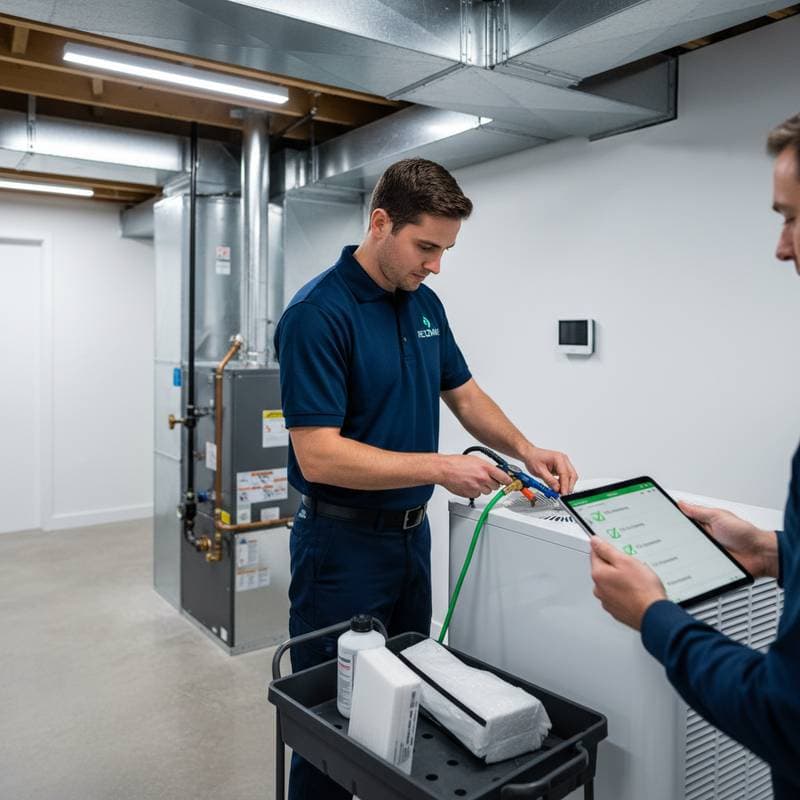
Spring HVAC Tune-Up: Boost Efficiency and Cut Costs Now
Homeowners often notice unusual sounds from their air conditioner after winter storage. The initial thermostat adjustment brings relief alongside concerns about performance and rising energy bills. A spring HVAC tune-up addresses these issues effectively. This maintenance extends beyond comfort to include financial savings, enhanced air quality, and prolonged system durability.
Why Spring Timing Optimizes HVAC Maintenance
Spring occurs between peak heating and cooling periods. The furnace completes its heavy workload, while the air conditioner prepares for extended summer operation. Addressing maintenance during this interval allows detection of minor issues before they escalate into major failures during high-demand times.
Consider this period as preparation for demanding use. Technicians verify clean filters, proper refrigerant levels, and functional components. Such preparation yields measurable benefits, including energy cost reductions of up to 15 percent and extended equipment life.
Consequences of Delayed HVAC Maintenance
Delaying a tune-up appears minor initially, yet it leads to gradual financial losses. Accumulated dirt on filters and coils forces the system to operate at higher intensity, elevating energy use. These incremental bill increases accumulate to substantial annual expenses.
Comfort and health suffer as well. Poorly maintained units distribute dust, pollen, and mold throughout the home. Individuals with allergies experience worsened symptoms. Routine care preserves air quality and ensures safe operation without risks like overheating.
Components of a Professional HVAC Tune-Up
A professional service follows a comprehensive protocol focused on efficiency and safety. Technicians perform the following tasks:
- Inspect and clean evaporator and condenser coils to enhance heat transfer
- Verify refrigerant levels and detect leaks
- Secure electrical connections and measure voltage
- Apply lubrication to motors and fans to minimize friction
- Install new or clean filters to optimize airflow
- Calibrate thermostats for accurate temperature control
- Examine ductwork for leaks or obstructions
- Clear condensate drains to avoid moisture buildup
The process spans one to two hours and incurs costs from $75 to $200, varying by location and equipment scale. This investment remains economical compared to repairs for components like compressors damaged by oversight.
DIY Steps for Ongoing HVAC Care
Homeowners can manage basic upkeep independently to complement professional services. These actions require minimal time and tools.
- Replace air filters every one to three months. Households with pets or allergy sufferers benefit from monthly changes to sustain optimal air circulation.
- Clear the outdoor condenser unit of leaves, soil, and obstructions. Maintain a two-foot clearance around the unit for unrestricted airflow.
- Examine accessible duct sections for separations or damaged insulation. Apply aluminum foil tape to seal gaps and conserve energy.
- Confirm thermostat functionality in both heating and cooling settings.
- Vacuum supply vents and return registers to enhance distribution and reduce dust accumulation.
- Monitor for abnormal sounds such as grinding or rattling, which signal potential mechanical faults.
Completing these steps takes less than an hour and supports system reliability year-round.
Mechanisms Behind Energy Savings from Maintenance
An optimized HVAC system operates with reduced effort, translating directly to lower utility expenses. Unobstructed airflow allows quicker achievement of set temperatures, shortening operational cycles.
For instance, a fresh filter cuts energy demands by up to 10 percent. Coil cleaning adds another 5 percent in cooling performance. Together, these enhancements yield seasonal savings of $100 to $300, based on home dimensions and regional rates.
Indicators Requiring Expert HVAC Intervention
Basic tasks suit homeowner capabilities, but certain symptoms demand professional diagnosis. Prompt action prevents escalation:
- Insufficient cooling or heating output
- Frequent on-off cycling of the unit
- Strange smells emanating from vents
- Unexplained surges in energy consumption
- Persistent loud or irregular noises
Experts utilize specialized equipment to resolve refrigerant deficiencies, faulty sensors, or wiring issues. Amateur attempts risk warranty invalidation or electrical dangers.
Essential Safety and Regulatory Aspects
HVAC systems incorporate electricity, refrigerants, and occasionally fuel lines, necessitating expert handling. Regulations mandate licensed professionals for refrigerant management and electrical modifications to comply with safety codes.
Homeowners may safely perform surface cleaning, filter changes, and debris removal. However, internal inspections or adjustments to sealed components require certified intervention to avoid hazards.
Enduring Advantages of Regular Tune-Ups
Annual spring maintenance prevents unexpected failures and ensures even temperature distribution. It prolongs equipment longevity by several years and enhances property appeal through maintenance documentation.
Additional gains include quieter operation, better humidity regulation, and a healthier living space overall.
Steps to Schedule and Execute Your Tune-Up
Incorporate HVAC maintenance into your spring routine alongside tasks like gutter clearing. Begin with filter replacement and unit inspection, then book a technician before summer peaks.
These efforts deliver reliable cooling, purified air, and reduced expenses. Most valuably, they provide assurance that your system operates without hidden inefficiencies.