
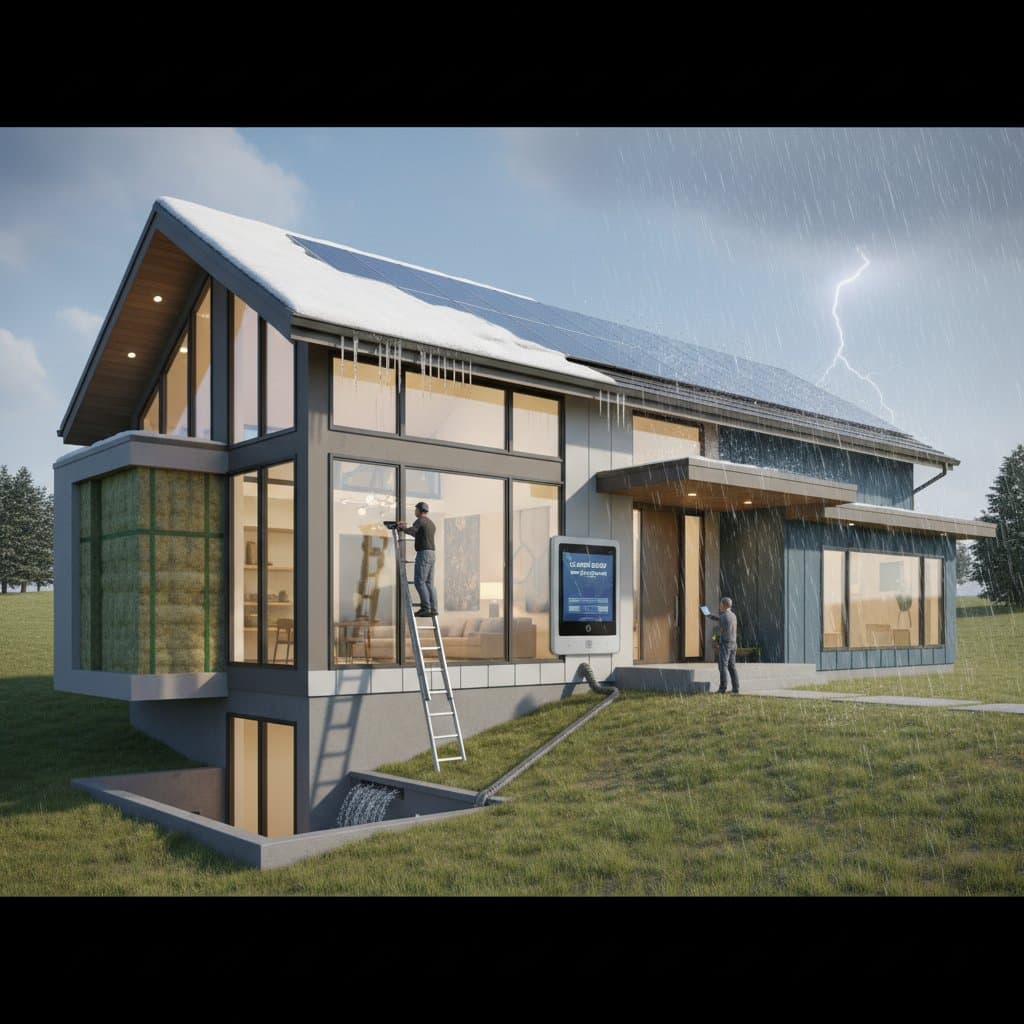
Homeowners' Must-Have Weatherproofing Checklist
Homeowners often overlook the subtle signs of weather-related wear until damage escalates. Rain pooling near the foundation or drafts infiltrating living spaces signal vulnerabilities that demand attention. Effective weatherproofing safeguards structural integrity, reduces energy expenses, and maintains indoor comfort regardless of seasonal extremes.
This guide provides a detailed checklist tailored for 2026, incorporating updated materials and techniques. It includes estimated costs, timelines for completion, and recommendations for both self-directed projects and professional services. By addressing these elements systematically, homeowners can avert thousands in potential repairs while enhancing overall home performance.
Inspect and Reinforce the Roof and Gutters
The roof serves as the primary barrier against precipitation, wind, and debris. Conduct an initial ground-level assessment to identify missing shingles, warped sections, or deteriorated flashing around chimneys and vents. In the attic, examine insulation for moisture stains and probe ceilings for signs of light penetration through compromised areas.
Self-Directed Maintenance Steps
- Clear gutters of leaves, twigs, and sediment using a ladder and garden hose; perform this task twice yearly to avoid overflow during storms, which can cause ice buildup or erode the foundation.
- Apply high-quality roofing sealant to minor cracks and gaps; a standard tube, priced at 10 to 20 dollars, covers up to 50 linear feet and cures within 24 hours.
- Secure gutter guards made of stainless steel mesh, which cost 5 to 10 dollars per linear foot installed; these devices reduce debris accumulation by 80 percent in leafy regions.
Professional Interventions
Engage a certified roofer if inspections reveal extensive curling, granule loss on asphalt shingles, or structural sags. Routine maintenance, such as re-securing loose elements, ranges from 200 to 600 dollars and takes one to two days. Full roof replacement with durable asphalt or metal options falls between 8,000 and 15,000 dollars, influenced by home size and pitch; delaying action risks interior water damage exceeding 5,000 dollars in remediation.
Fortify Siding and Exterior Walls
Exterior walls endure relentless exposure to moisture, UV rays, and temperature swings. Circumnavigate the property to detect fissures in mortar, bulging panels, or discoloration from fungal growth. Probe seams with a flat tool to assess adhesion integrity.
Routine Preservation Methods
- Refresh wood siding with exterior-grade paint or sealant every three to five years; select low-VOC formulas that adhere to damp surfaces, extending protection for another decade.
- Realign loose vinyl panels using specialized zip tools, available for 15 dollars; this quick fix, completable in an afternoon, blocks wind-driven rain from entering wall cavities.
- Evaluate fiber cement alternatives during renovations; these panels, at 7 to 12 dollars per square foot, resist impacts up to 50 percent better than vinyl and require minimal upkeep in variable climates.
Siding reinforcement typically costs 5 to 12 dollars per square foot, varying by material and labor. Such investments not only prevent water intrusion but also elevate aesthetic appeal, potentially increasing property value by 5 to 10 percent.
Optimize Insulation for Year-Round Stability
Proper insulation regulates thermal transfer, easing the burden on heating and cooling systems. Prioritize attics, where heat loss accounts for 25 percent of annual energy use. Measure current depth against regional R-value standards, such as R-49 for northern zones.
Targeted Improvement Areas
- Enhance attic insulation with blown-in cellulose, which settles densely around obstacles; installation for a 1,500-square-foot space costs 1,500 to 3,000 dollars and yields a 15 to 20 percent reduction in utility bills.
- Seal basement rim joists with rigid foam boards and install polyethylene vapor barriers; this duo, budgeted at 800 to 1,500 dollars, eliminates cold bridging and dampness in below-grade spaces.
- Retrofit exterior walls in pre-1980 homes via drilled holes for foam injection; professionals charge 2 to 4 dollars per square foot, avoiding disruptive drywall removal.
Utility providers frequently rebate 20 to 50 percent on verified upgrades. Enhanced insulation maintains consistent temperatures, lowering HVAC runtime by up to 20 percent and improving air quality through reduced pollutant infiltration.
Safeguard Outdoor Features and Structures
Decks, patios, and ancillary buildings face accelerated deterioration from freeze-thaw cycles and high winds. Inspect for splintered wood, rusted hardware, and pooled water on flat surfaces. Test stability by applying moderate pressure to railings and posts.
Essential Protection Measures
- Coat decks with penetrating oil-based sealants annually; a five-gallon pail, priced at 100 to 150 dollars, treats 500 square feet and repels water for two years.
- Encase patio furniture in UV-resistant, ventilated covers; models with adjustable straps cost 25 to 80 dollars each, preventing mildew and corrosion during off-seasons.
- Stabilize fence posts by excavating and repacking with gravel; restain cedar or pressure-treated lumber every two years using semi-transparent products that highlight grain while blocking UV damage.
- Upgrade garage doors with EPDM rubber bottom seals and foam weatherstripping; kits under 50 dollars install in under an hour, deterring drafts, insects, and ground moisture.
For detached outbuildings, apply elastomeric coatings to foundations at 0.50 dollars per square foot; this flexible layer expands with soil movement, averting flood-related shifts during deluges.
Integrate Smart Technologies for Proactive Defense
Advancements in home automation extend weatherproofing beyond physical barriers. These systems provide real-time alerts and automated adjustments, minimizing manual oversight. Select devices compatible with major platforms like Alexa or Google Home for seamless integration.
Recommended Tech Enhancements
- Install programmable thermostats with geofencing; units starting at 150 dollars learn occupancy patterns and adjust for incoming fronts, achieving 10 to 15 percent energy savings.
- Deploy wireless moisture detectors in prone areas like crawl spaces; battery-operated sensors under 50 dollars notify via app upon detecting humidity spikes above 60 percent.
- Automate irrigation with weather-linked controllers; soil-probe models, 100 to 200 dollars, halt cycles during rain forecasts, reducing water use by 30 percent while preserving turf vitality.
These innovations enhance monitoring efficiency and appeal to eco-conscious buyers, boosting resale premiums by 3 to 5 percent. Pair them with traditional methods for comprehensive resilience.
Implement Ongoing Strategies for Lasting Protection
Approach weatherproofing as an iterative process rather than a one-time effort. Prioritize high-impact areas based on local climate data, such as wind maps from the National Weather Service. Track environmental trends to anticipate evolving threats like intensified storms.
- Address immediate risks first, such as visible leaks or insulation deficiencies, to prevent cascading failures.
- Maintain records of all interventions, including before-and-after imagery and invoices, for warranty claims and appraisals.
- Establish a seasonal calendar: inspect exteriors in spring, clean systems in fall, and review interiors post-winter.
- Weigh self-sufficiency against expertise; simple tasks like sealing suit independent efforts, while structural work benefits from certified contractors.
Consistent application of these practices fortifies homes against fiscal and functional erosion. Homeowners gain peace of mind, knowing their properties endure with minimal intervention.