
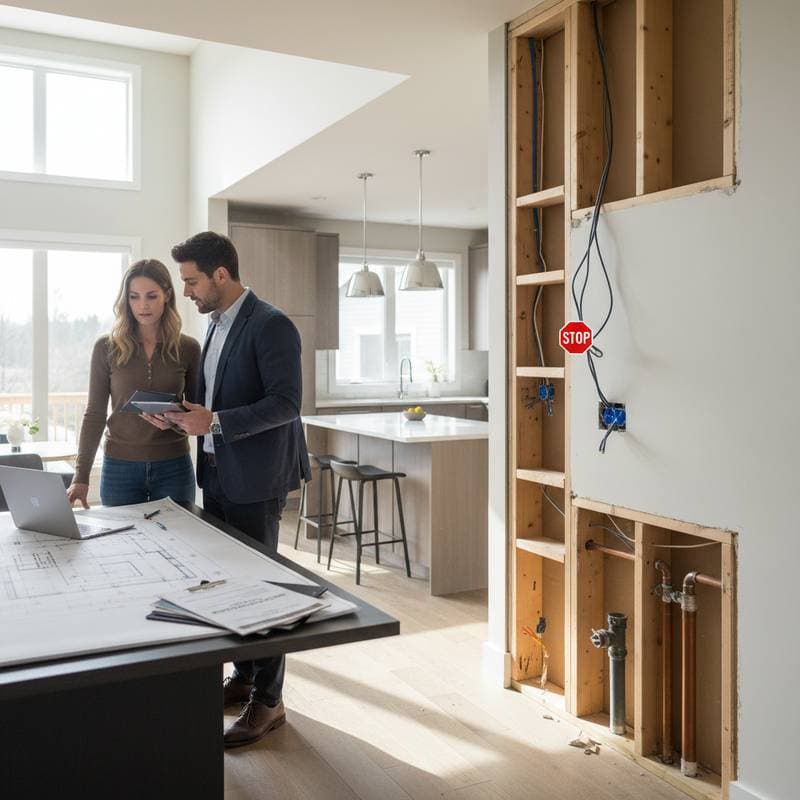
Essential Guide: Which Home Projects Require Building Permits?
Homeowners often approach renovations with enthusiasm, yet overlooking permit requirements can lead to significant complications. Before commencing work, determine whether official approvals are necessary. Failure to secure permits may result in project delays, legal penalties, or diminished property value upon resale.
This comprehensive guide outlines common projects that demand permits, clarifies the application process, and highlights scenarios where professional contractors prove essential. Readers gain practical knowledge to maintain compliance, enhance safety, and execute renovations smoothly.
Understanding Building Permits
Building permits serve as official endorsements that construction adheres to established safety and zoning codes. Local authorities issue these permits to protect residents, neighboring properties, and the community from hazards associated with substandard work. The process involves submitting plans for review, undergoing inspections at critical phases, and obtaining final certification of compliance.
Various permit categories address specific aspects of home improvement:
- Building permits for alterations affecting the home's framework or additions
- Electrical permits for modifications to wiring, outlets, or service panels
- Plumbing permits for changes involving pipes, fixtures, or drainage systems
- Mechanical permits for heating, ventilation, and air conditioning installations
Projects impacting multiple systems often necessitate multiple permits, each with unique documentation and inspection protocols. Familiarity with these elements enables better project forecasting and resource allocation.
Structural Changes and Additions
Any modification that alters the home's load-bearing elements or overall integrity requires a building permit. Local codes mandate review to verify stability and adherence to seismic, wind, or snow load standards. Common examples include:
- Constructing room additions or garage extensions
- Removing or relocating interior walls, particularly load-bearing ones
- Installing new foundations or reinforcing existing ones for decks and patios
Homeowners must submit detailed blueprints, engineering calculations, and material specifications during the application. Inspections occur before pouring concrete, framing, and completing the build. These measures prevent collapses and ensure long-term durability.
Professionals recommend consulting structural engineers for complex changes. Licensed contractors manage permit acquisition, incorporating fees into bids while guaranteeing code conformity.
Major Electrical Work
Electrical systems demand rigorous oversight due to inherent risks of fire and shock. Permits become mandatory for installations or upgrades that affect circuit capacity, wiring paths, or power distribution. Typical scenarios encompass:
- Upgrading the main electrical service panel to higher amperage
- Adding new circuits for home offices, kitchens, or outdoor lighting
- Rewiring older homes to accommodate modern appliances
Replacing a single light fixture or outlet generally falls outside permit requirements, provided no underlying wiring changes occur. However, any expansion of electrical load triggers mandatory review and inspection.
In numerous jurisdictions, homeowners qualify for self-applied electrical permits, subject to rigorous inspections. For substantial undertakings, engage licensed electricians versed in National Electrical Code standards. These experts navigate approvals efficiently and mitigate liability through bonded services.
Plumbing Modifications
Plumbing work involves water supply, drainage, and sewage systems, all subject to health and safety regulations. Permits apply to projects altering pipe layouts, fixture placements, or system capacities. Key instances include:
- Relocating bathrooms or installing new ones
- Replacing or extending main water or sewer lines
- Adding irrigation systems or graywater recycling setups
Simple tasks like unclogging drains or replacing a faucet seldom require permits. Yet, interventions impacting building drains or vents necessitate professional evaluation to prevent contamination or backups.
Applications demand isometric drawings and fixture unit calculations. Inspectors verify proper venting, slope, and material quality during rough-in and final stages. Certified plumbers excel in these areas, often assuming permit responsibilities to streamline workflows.
HVAC Installations and Upgrades
Heating, ventilation, and air conditioning systems influence indoor air quality and energy efficiency. Permits ensure installations meet standards for airflow, refrigerant handling, and duct integrity. Projects triggering requirements feature:
- Replacing or adding central air conditioning units
- Installing new furnaces, boilers, or ductwork
- Modifying ventilation for additions or attic conversions
Routine filter changes or thermostat replacements evade permitting. However, system overhauls demand energy code compliance, including insulation ratings and equipment efficiency.
Submit equipment specifications, load calculations, and layout diagrams for approval. Inspections focus on secure installations and leak-free operations. HVAC contractors, licensed in mechanical systems, handle these permits adeptly, optimizing performance while reducing utility costs.
Roofing and Exterior Alterations
Roofing projects vary in scope, with permits hinging on structural implications. Re-roofing with identical materials and layers often proceeds without approval, but deeper interventions require scrutiny. Examples include:
- Removing multiple roofing layers or altering roof pitch
- Adding dormers, skylights, or solar panels
- Repairing or replacing damaged trusses and rafters
Authorities assess drainage, waterproofing, and load-bearing capacity to avert leaks or failures. In regions prone to severe weather, enhanced materials may prove obligatory.
Engage roofing specialists for permitted work. They provide warranties, engineering reports, and coordination with inspectors, preserving the home's envelope against elements.
Window and Door Replacements
Standard replacements of windows or doors with equivalent sizes typically bypass permits, focusing on energy-efficient upgrades. Permits arise when modifications affect structural openings or building performance. Situations include:
- Enlarging window frames or creating new exterior openings
- Installing impact-resistant units in high-wind zones
- Altering door headers for accessibility improvements
Reviews confirm header support, sealing integrity, and compliance with insulation standards. Coastal or flood areas impose additional criteria for resilience.
Contractors specializing in fenestration manage these details, ensuring rebates for energy-star products and seamless integration.
Determining Local Permit Requirements
Regulations differ across municipalities, reflecting unique climates, densities, and histories. Contact the local building department directly for precise guidance. Many provide digital resources, including checklists and virtual consultations.
Prepare by assembling:
- Detailed project descriptions and timelines
- Scaled drawings or photographs of affected areas
- Contractor credentials, if applicable
If employing professionals, delegate permit tasks to them. Established firms integrate these costs transparently and schedule inspections proactively.
Streamlining the Permit Application Process
Initiate by researching online portals for forms and fees, which range from modest to substantial based on project scale. Compile supporting documents meticulously to expedite reviews, often spanning days to weeks.
Anticipate iterative feedback from reviewers. Respond promptly to queries, revising plans as needed. Upon issuance, adhere to inspection timelines to prevent expirations or rework.
Track progress through department apps or emails. This diligence minimizes disruptions and fosters positive relations with officials.
Benefits of Professional Involvement
While minor projects suit DIY efforts, complex renovations benefit from licensed contractors. These experts possess code knowledge, liability insurance, and networks for swift approvals.
Hiring pros elevates quality, accelerates timelines, and safeguards investments. Verify credentials via state licensing boards and seek references for assurance.
Safeguarding Your Home's Future
Adhering to permit protocols not only averts immediate pitfalls but also bolsters long-term value. Compliant renovations enhance safety, appeal to buyers, and qualify for insurance discounts.
Approach each project with informed preparation. Consult local experts early to align visions with realities, ensuring renovations enrich lives without unintended consequences.