
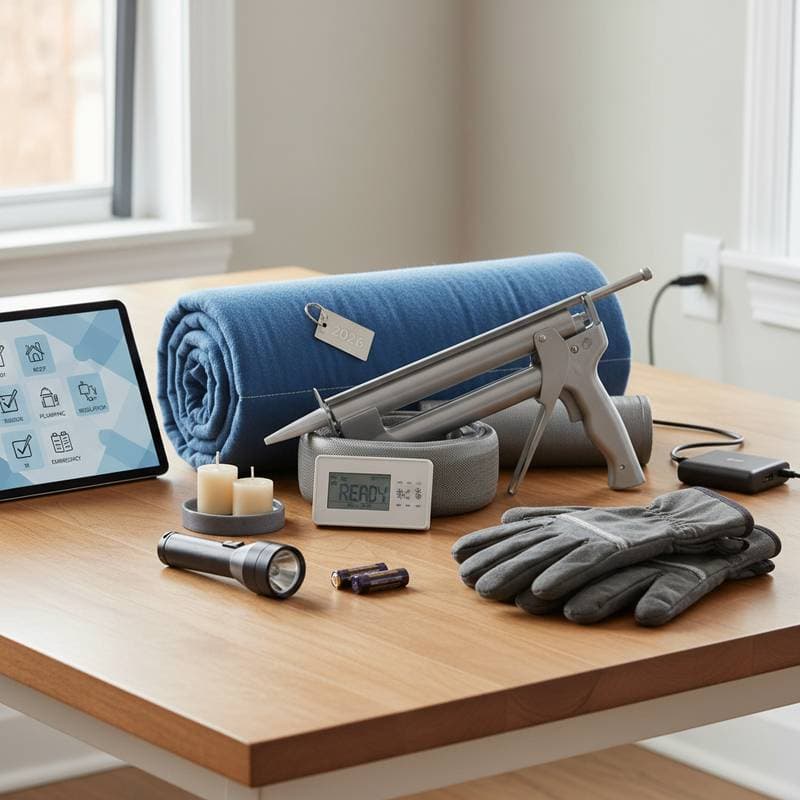
Winter-Proof Your Home: Essential Checklist to Withstand Extreme Storms
Winter arrives abruptly for many homeowners, with howling winds and freezing rain signaling the season's intensity. A reliable heating system provides comfort only when the home stands resilient against external forces. Proactive measures taken before the first freeze transform potential vulnerabilities into strengths, avoiding expensive repairs and ensuring safety throughout the colder months.
Preparation yields tranquility amid chaos. Homeowners who act early enjoy secure, efficient living spaces while others face urgent fixes. This guide presents a structured checklist to fortify your home systematically.
Inspect and Seal the Building Envelope
The building envelope forms the barrier between interior warmth and exterior harshness. Gaps in this structure allow cold infiltration, moisture accumulation, and pest entry. Conduct a thorough inspection inside and outside to identify weaknesses.
- Windows and Doors: On a breezy day, place your hand along the frames to detect air movement. Install weatherstripping or silicone caulk to seal edges. For aging windows, apply plastic sheeting kits, available for fifteen to thirty dollars, which can cut heat loss by twenty percent or more.
- Exterior Walls and Foundation: Examine entry points for utilities like pipes and wires. Use expanding foam sealant, costing six to ten dollars per can, to fill voids effectively.
- Attic and Roof: Scan for loose or absent shingles. Address leaks promptly to avert water intrusion; minor shingle replacements cost under one hundred dollars, compared to over two thousand for comprehensive damage restoration.
Enhance Insulation Performance
Insulation serves as the primary shield against penetrating cold. Over years, materials compact and lose effectiveness, often unnoticed by residents. Evaluate and upgrade insulation to maintain optimal thermal resistance.
- Attic Areas: If wooden joists remain visible, install additional fiberglass batts. Aim for coverage that conceals structural elements entirely; regional guidelines suggest depths of twelve to fifteen inches in many climates. Materials cost fifty cents to one dollar per square foot.
- Basement and Crawl Spaces: Seal against ground-level chill with rigid foam panels or spray applications on rim joists and concrete surfaces.
- Plumbing Lines: Encase exposed pipes with foam sleeves, priced at two to four dollars each. This simple step prevents freezing and subsequent bursts that lead to extensive flooding and repair bills.
Maintain the Heating System
A functional heating system underpins winter comfort, yet neglect invites breakdowns during peak demand. Regular upkeep ensures reliability and efficiency. Schedule checks to optimize performance before storms escalate.
- Air Filters: Replace clogged filters every one to two months to ease system workload and improve airflow. Clean units operate more efficiently, reducing energy consumption.
- Professional Inspection: Engage a technician for an annual tune-up, typically eighty to one hundred fifty dollars. This service extends equipment life and trims utility expenses.
- **Thermostat ** Upgrade to a programmable or smart model that adjusts settings automatically. Basic versions lower heating costs by at least ten percent through precise control.
Prepare for Power Interruptions
Storms frequently disrupt electricity, leaving homes vulnerable. Advance planning sustains safety and habitability during blackouts. Assemble resources to bridge these gaps without compromise.
- Generator Options: Select a portable unit for essential needs, ranging from five hundred to one thousand dollars. Whole-house models start at four thousand dollars; position all generators outside to eliminate carbon monoxide risks.
- Lighting and Power Sources: Place multiple flashlights and fresh batteries in convenient locations. Opt for LED options for longer runtime and safety over open flames.
- Surge Safeguards: Protect devices with whole-home protectors, installed professionally for about three hundred dollars. These devices mitigate voltage spikes that ruin electronics.
Protect Plumbing Infrastructure
Pipe freezing ranks among winter's most disruptive hazards, often resulting in severe water damage. Prevention focuses on circulation and insulation. Implement these measures to eliminate risks.
- Exterior Shutoffs: Close indoor valves supplying outdoor faucets and drain lines to remove standing water.
- Interior Climate Control: Maintain indoor temperatures above fifty-five degrees Fahrenheit, even during absences, to keep pipes from reaching freezing points.
- Heating Elements: Install self-regulating heat tapes on at-risk pipes for fifty to one hundred dollars. These activate automatically and avert disasters worth thousands in remediation.
Fortify the Home's Exterior
External features endure the full force of winter assaults. Preemptive care preserves integrity and functionality. Address these areas to minimize storm impacts.
- Gutters and Drainage: Remove accumulated debris to ensure proper flow. Gutter guards, at two to five dollars per linear foot, prevent ice buildup and reduce ongoing upkeep.
- Overhanging Vegetation: Prune branches near structures or utilities to avoid wind-induced collisions.
- Surface Treatments: Use calcium chloride-based deicers on concrete paths; a forty-pound bag costs twenty dollars and withstands repeated applications without surface degradation.
Reinforce Windows and Access Points
High winds test windows, doors, and vents severely. Strengthening these elements curbs heat escape and structural threats. Apply reinforcements suited to your locale's weather patterns.
- Window Protections: Fit temporary storm panels or inserts to bolster standard glazing against debris.
- Garage Reinforcements: Add wind-bracing kits, priced from one hundred fifty to three hundred dollars, to secure overhead doors in gust-prone regions.
- Vent Maintenance: Clear and secure caps on exhaust flues to block downdrafts and water ingress.
Assemble an Emergency Kit
Unforeseen events demand readiness. Designate a central storage area for vital supplies. This kit supports self-sufficiency for at least three days.
- Hydration and Sustenance: Gather one gallon of water per person daily, plus canned goods and energy bars.
- Warmth Essentials: Include extra blankets, sleeping bags, and layered apparel.
- Medical and Communication Tools: Stock a comprehensive first aid kit with prescriptions and a hand-crank radio for alerts.
Review Coverage and Records
Financial protection complements physical preparations. Verify policies align with potential risks. Document conditions to streamline any recovery process.
- Insurance Assessment: Ensure coverage includes wind, freeze, and flood perils relevant to your area.
- Visual Inventory: Photograph interiors, exteriors, and valuables pre-season for claim substantiation.
Implement Ongoing Strategies
Integrate these actions into annual routines for sustained benefits. Schedule mild-weather starts to secure materials affordably. Pursue rebates for insulation and efficiency enhancements. Delegate complex tasks to certified professionals, such as electrical or roofing work.
Regular inspections post-storm preserve preparations. Monitor seals, clear accumulations, and adjust as needed. These habits foster a resilient home environment.
Winter-proofing elevates daily living beyond mere endurance. A fortified residence delivers security, efficiency, and enjoyment, allowing focus on the season's positives rather than its perils.