
Elevate Home Value: A 90-Day Spring Pre-Sale Checklist
As winter fades and the first signs of spring emerge, many homeowners consider listing their property. A glance around reveals both enduring appeal and subtle signs of time. Effective preparation emphasizes strategic enhancements over flawless perfection. This 90-day approach sharpens buyer perception, accelerates the selling timeline, and minimizes unexpected challenges.
Month One: Establish a Solid Base
The initial 30 days center on assessment and foundational improvements. These efforts clear distractions and allow potential buyers to envision their future in the space.
Declutter and depersonalize systematically:
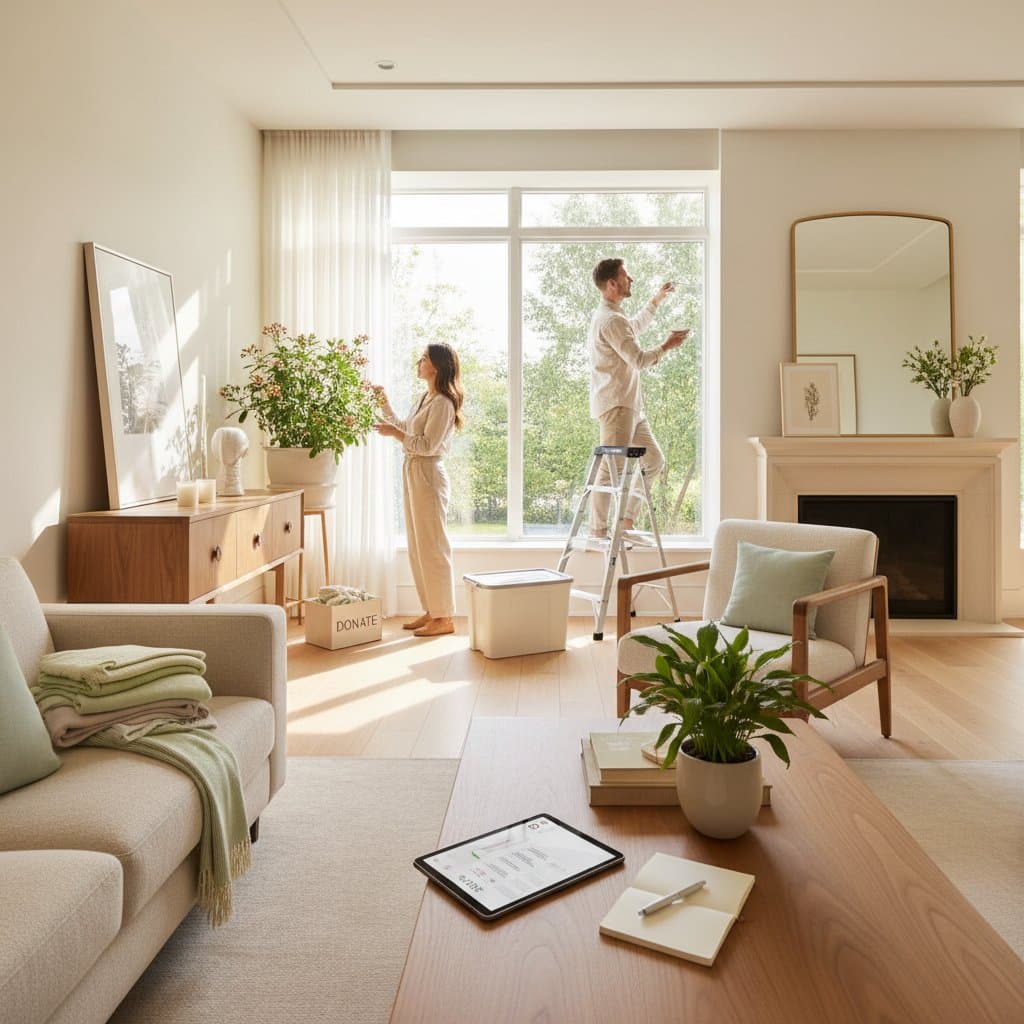
Begin with high-traffic areas such as kitchens, bathrooms, and living rooms. Remove personal items like family photos, collectibles, and excess furniture to emphasize the home's architecture. Target closets by emptying them to half capacity, which conveys generous storage. Sort items into categories for donation, storage off-site, or disposal; this process typically requires one weekend per major area.
Conduct a thorough deep clean:
Engage a professional service for comprehensive results, with costs ranging from $200 to $400 based on square footage and regional rates. Focus on overlooked spots including baseboards, ceiling fans, and appliance interiors. Scrub tile grout with a mild bleach solution and vacuum air ducts to eliminate dust buildup. Such meticulous cleaning conveys ongoing maintenance and elevates the overall impression of care.
Perform inspections and essential repairs:
Tour the property room by room, documenting issues with a checklist. Address minor fixes like tightening loose doorknobs, sealing gaps around windows, or replacing worn weatherstripping. For structural concerns such as foundation cracks or plumbing irregularities, consult licensed specialists immediately. These proactive steps, often totaling under $500 for basics, avert costly concessions during buyer negotiations.
Month Two: Enhance Exterior and Interior Appeal
With core maintenance complete, attention turns to aesthetic refinements that foster an immediate emotional response from viewers.
Revitalize the exterior facade:
Select a fresh coat of paint for the entry door in a welcoming hue like soft navy or crisp white to harmonize with existing siding. Introduce seasonal plantings such as tulips or pansies in window boxes and along pathways, while pruning hedges to defined shapes. Apply a pressure washer to siding, decks, and driveways to remove winter grime; allocate $300 to $600 for supplies and potential labor. Strong curb appeal can elevate buyer valuations by as much as 10 percent.
Modernize lighting and hardware:
Swap outdated fixtures for sleek, LED equivalents that distribute even illumination. Prioritize entryways and kitchens, where budget-friendly options cost $50 to $150 each. Install dimmer switches and energy-saving bulbs to demonstrate contemporary efficiency. Update outlet covers and cabinet hardware with brushed nickel finishes for a unified, upscale appearance without extensive renovation.
Polish interior surfaces and details:
Apply neutral tones like soft grays or warm beiges to walls, ensuring even coverage with two coats for durability. Buff hardwood floors with a rented machine or hire a service for $100 to $200 per room. Refresh hardware on doors and drawers, and consider installing peel-and-stick backsplashes in kitchens for subtle modernity. These updates, achievable over a few weekends, shift focus to the home's functional layout.
Month Three: Optimize Presentation and Final Preparations
The property now radiates potential. The concluding 30 days refine the showcase elements to maximize market impact.
Stage rooms to emphasize spaciousness:
Position furniture to guide natural traffic flow, such as angling sofas toward windows for light capture. Incorporate area rugs and throw pillows in neutral fabrics to add warmth without overwhelming. Use strategic mirrors to amplify light in dimmer spaces and ensure pathways remain unobstructed. For larger homes, rental staging pieces cost $400 to $1,000 monthly, yielding higher offer prices through enhanced livability.
Secure professional photography:
Hire a real estate photographer skilled in wide-angle lenses and editing software, budgeting $150 to $300 for a full session. Schedule shoots during optimal daylight to highlight architectural features, capturing 20 to 30 images per property. Include diverse perspectives: close-ups of unique details, overviews of open layouts, and exterior views at dusk to showcase lighting. Quality visuals drive 60 percent more inquiries on listing platforms.
Complete pre-listing evaluations and documentation:
Commission an independent home inspection to identify any remaining concerns, addressing them promptly to avoid surprises. Compile essential records including warranty information for appliances, recent pest treatments, and energy efficiency reports. Organize these in a digital folder for easy buyer access. This preparation fosters credibility and positions the property for competitive bidding.
Sustain Readiness Through Showings
After listing, consistent upkeep preserves the polished state. Schedule brief daily walks to spot and correct minor issues like fingerprints on surfaces or wilted plants. Refresh air quality by ventilating rooms and using unscented cleaners. Weekly lawn maintenance and prompt touch-ups ensure every viewing encounters a home poised for seamless transition to new ownership.
This phased strategy aligns with spring's momentum, layering improvements for cumulative effect. Buyers entering the space will perceive not just order, but intentional enhancement tailored to their aspirations.