
Prepare Your HVAC System for 2026 Refrigerant Regulations
If your air conditioner has been operating for years without much attention, upcoming changes may affect its performance. The 2026 refrigerant regulations alter the chemicals used in HVAC systems. These shifts influence comfort levels, operating costs, and maintenance routines. Preparation now prevents future disruptions.
Reasons for Updated Refrigerant Standards
Refrigerants enable heat transfer in cooling systems. Older types such as R-22 and R-410A carry higher global warming potential. New standards promote alternatives with reduced environmental effects. Systems using phased-out refrigerants face higher service costs and limited part availability as supplies decline.
Identify the Refrigerant in Your Current System
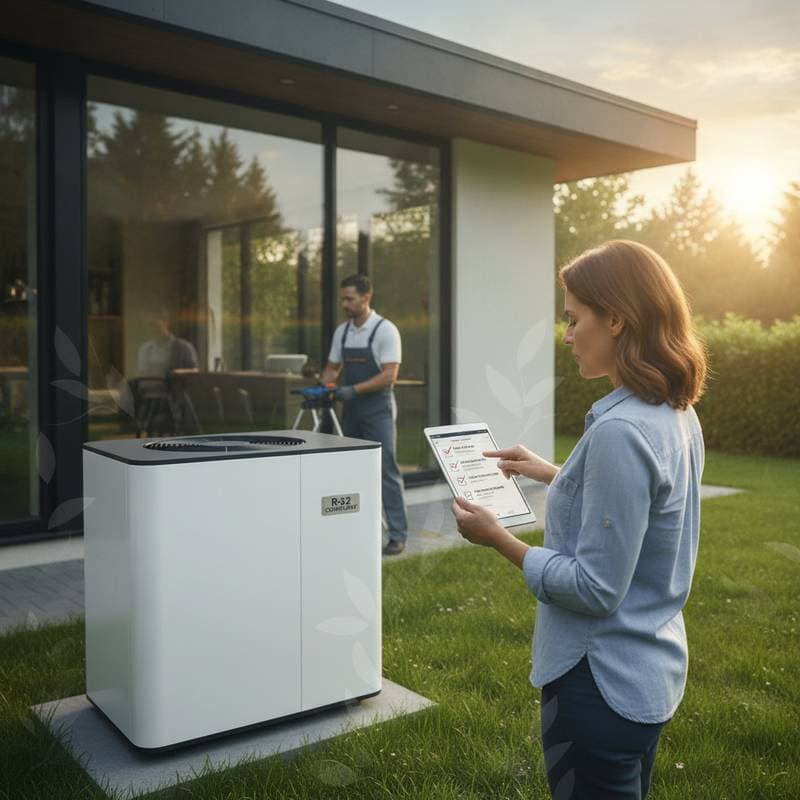
Check the outdoor condenser unit for a manufacturer label that lists the refrigerant type. Common options include the following:
- R-22: Found in units installed before 2010. Production has ended, and remaining stock commands high prices.
- R-410A: Present in many systems from the past decade. This refrigerant faces gradual phase-down rather than immediate prohibition.
- Low-GWP options such as R-32 or R-454B: Newer formulations that deliver comparable cooling with lower environmental impact.
A technician can confirm the type during a routine visit if the label is unclear.
Effects of Switching to New Refrigerants
Low-GWP refrigerants often improve energy efficiency and may raise home resale value. Existing equipment may require component changes because seals, hoses, and compressors differ in compatibility. Mixing refrigerants risks leaks and equipment failure. Licensed professionals must perform all conversions.
Choose Between Replacement, Retrofit, or Continued Maintenance
System age and condition determine the best path.
- Replace the entire unit when it exceeds ten years or uses R-22. New equipment arrives pre-charged with approved refrigerants and typically costs between 5000 and 10000 dollars.
- Retrofit newer R-410A units by updating the compressor or expansion valve. This approach usually ranges from 1500 to 3500 dollars and extends service life.
- Maintain the present system through regular tune-ups if it remains reliable. Track rising repair expenses and set aside funds for eventual replacement.
Safety Requirements for Refrigerant Handling
Only certified technicians may handle refrigerants. Improper charging creates leaks that damage health and the environment. Some newer refrigerants carry mild flammability risks under certain conditions. Verify that any contractor holds current low-GWP certification before scheduling work.
Budget Planning for the Transition
Anticipate these typical expenses:
- Inspection and refrigerant identification: 150 to 300 dollars.
- Annual service agreement: 200 to 500 dollars.
- Retrofit work: 1500 to 3500 dollars.
- Full replacement: 5000 to 10000 dollars.
- Energy savings from upgraded equipment: 10 to 20 percent reduction in utility costs.
Schedule service during spring or fall to secure earlier appointments and stable pricing.
Seasonal Maintenance Schedule
- Spring: Clean coils and verify refrigerant charge.
- Summer: Replace filters monthly and clear debris from the outdoor unit.
- Fall: Inspect heating elements and seal duct joints.
- Winter: Operate the system briefly each month to detect unusual sounds.
Long-Term Advantages of Updated Equipment
Modern systems operate more quietly and maintain steadier temperatures through variable-speed technology. Efficiency gains, combined with possible rebates, often recover upgrade costs within several years. Record all service documents and confirm warranty coverage with certified installers. Consider duct sealing and insulation upgrades to reduce overall system demand.
Select a Qualified HVAC Contractor
Request proof of manufacturer training on low-GWP refrigerants. Compare proposals on scope, included maintenance, and efficiency ratings rather than price alone. Prompt attention to performance changes preserves equipment life after any upgrade.