
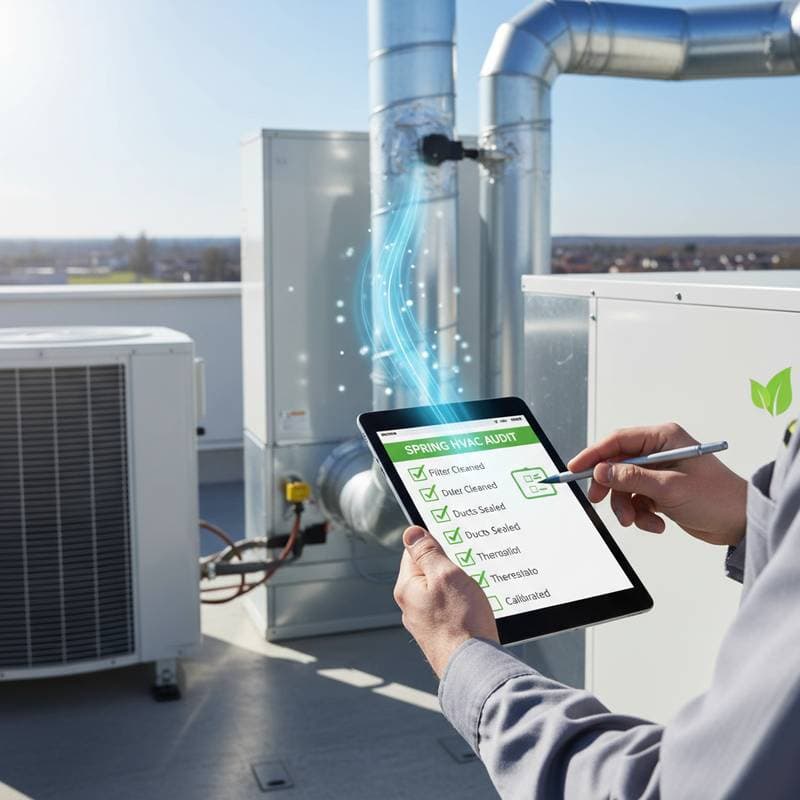
Spring HVAC Audit: Slash Bills Effortlessly
A simple solution exists for reducing energy bills this spring. Major remodeling proves unnecessary. Instead, conduct a targeted HVAC audit. This inspection and tune-up of the heating and cooling system lowers energy costs, prolongs equipment lifespan, and enhances indoor comfort without requiring expensive upgrades. Success depends on identifying key areas to inspect, clean, and maintain, along with knowing when professional assistance becomes essential.
Why a Spring HVAC Audit Matters
The HVAC system endures significant strain from seasonal temperature fluctuations. Accumulation of dust, clogged filters, and minor leaks gradually erode performance. Even slight restrictions in airflow elevate energy consumption by over ten percent. A seasonal audit identifies these issues early, preventing breakdowns and ensuring readiness for increased cooling demands in warmer months.
Proper maintenance boosts efficiency and extends system durability. Homeowners who perform regular upkeep achieve operational longevity up to twice that of neglected units. Such practices yield substantial savings by avoiding premature replacements and urgent repairs.
Step-by-Step HVAC Audit Checklist
Conduct the spring audit in straightforward stages. This approach allows completion over a single weekend.
-
Replace or clean air filters. Dirty filters impede airflow and compel the system to operate with greater effort. Exchange disposable filters or wash reusable ones every one to three months, based on household usage levels.
-
Inspect vents and registers. Ensure all vents remain open and free from obstructions. Items such as furniture, rugs, or curtains block airflow, leading to uneven temperatures. Vacuum dust from vent covers to promote unrestricted air circulation.
-
Check thermostat accuracy. If the displayed temperature seems inaccurate, compare it against a separate thermometer. Discrepancies of a few degrees trigger excessive energy use. Upgrade to a programmable or smart thermostat for automatic adjustments that optimize efficiency.
-
Examine outdoor condenser units. Remove leaves, branches, and debris that hinder airflow. Preserve at least two feet of clearance around the unit. Rinse coils gently with a hose to eliminate accumulated dirt and pollen.
-
Inspect ductwork. Search for evident gaps, loose connections, or absent insulation. Leaky ducts squander up to thirty percent of conditioned air. Professionals employ duct pressure tests to detect concealed leaks efficiently.
-
Listen for unusual noises. Sounds like grinding, rattling, or squealing indicate potential issues with belts, components, or motors. Prompt attention to these symptoms averts expensive future damage.
-
Review energy bills. Contrast current costs with those from prior spring periods. An unexplained rise in expenses, absent changes in usage, signals diminishing system efficiency.
When to Call a Professional
Certain tasks require the expertise of licensed technicians. Arrange a specialist visit if airflow weakens, room temperatures vary, or the system cycles frequently. Experts conduct electrical inspections, refrigerant assessments, and thorough coil cleanings that exceed safe homeowner capabilities.
Professional tune-ups cost between one hundred and two hundred fifty dollars, varying by system complexity and location. This investment pales against efficiency gains and avoided major repairs. Technicians confirm adherence to efficiency standards and local codes. For older systems, they recommend upgrades eligible for rebates or tax credits. Swapping an outdated blower motor for a variable-speed version cuts energy use by up to twenty percent.
Budget and ROI Expectations
A full DIY audit incurs costs under fifty dollars with existing tools. Including a professional review elevates the total to approximately three hundred dollars. Homeowners often realize annual savings of one hundred to four hundred dollars. Return on investment occurs within one cooling season for many.
Regular maintenance safeguards long-term home value. A record of services reassures buyers and supports higher appraisals upon sale.
Pro Tips for Success
- Perform the HVAC audit prior to the onset of intense summer heat.
- Maintain a documented checklist and service log for ongoing tracking.
- Select filters with ratings matched to system requirements for optimal performance.
- Regularly trim plants adjacent to outdoor units to sustain airflow.
- Renew deteriorated weatherstripping on doors and windows to lessen system workload.
Sustaining Efficiency Year-Round
View the HVAC audit as an integral component of annual home maintenance. Annual spring inspections ensure consistent comfort, superior air quality, and containment of minor issues before escalation.
Benefits include reliable temperatures and controlled expenses. Optimal system operation minimizes thermostat adjustments, allowing more focus on a comfortable living environment.