
Spring HVAC Checklist: Reduce Energy Costs Efficiently
As warmer weather arrives, the shift from heating to cooling places new demands on your HVAC system. Homeowners often overlook preparation, yet targeted maintenance enhances efficiency, lowers electricity consumption, and ensures consistent comfort. Invest a few hours now to realize substantial savings throughout the season.
Essential Preparatory Inspections
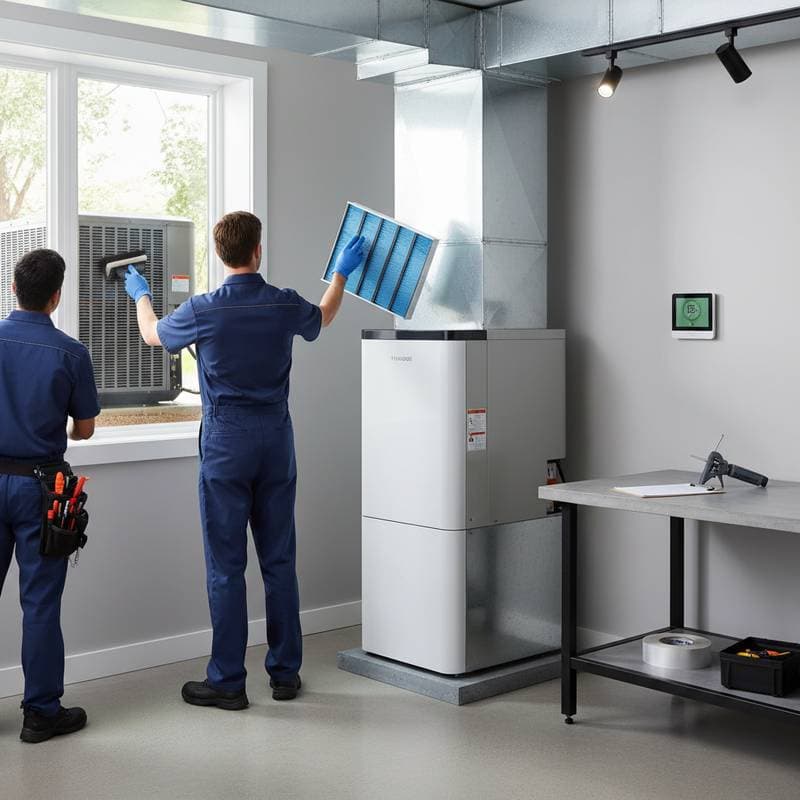
Begin with air filter replacement, a fundamental task that prevents airflow restrictions. Dirty filters compel the system to consume more power, increasing operational costs. Filters rated MERV 8 to 13 provide optimal filtration without excessive resistance; replace them every one to three months, depending on usage and air quality, to achieve up to 15% energy reduction. Select filters compatible with your unit to avoid compatibility issues.
Examine the outdoor condenser unit next, clearing debris such as leaves and branches from a two-foot perimeter. Bent fins on the coils reduce heat exchange efficiency, so straighten them carefully with a fin comb. This maintenance step can improve performance by 20%, particularly in areas with high pollen or dust levels. Schedule this inspection early in spring to preempt seasonal buildup.
Thorough Interior Cleaning
Vacuum return vents and supply registers to eliminate accumulated dust, which otherwise circulates and diminishes air quality. Persistent dirt accumulation signals the need for professional duct cleaning, a service that costs $300 to $600 but prolongs system life and purifies indoor air. Technicians use specialized tools to access hard-to-reach areas, ensuring comprehensive results.
Inspect the evaporator coil within the air handler for frost or grime, indicators of reduced cooling capacity. Shut off power before applying a no-rinse coil cleaner, following product instructions precisely. Wear protective gear and allow full drying to prevent electrical hazards or moisture-related damage. Regular coil maintenance preserves refrigerant flow and system longevity.
Beneficial System Upgrades
Verify thermostat accuracy by comparing its reading to a separate thermometer placed nearby. Discrepancies exceeding two degrees warrant recalibration or replacement with a programmable model. Smart thermostats learn user patterns and adjust settings remotely, potentially lowering cooling expenses by 10% or greater through optimized scheduling.
Arrange a professional tune-up, priced at $100 to $200, to address refrigerant levels, lubricate components, and inspect wiring. Certified technicians identify subtle faults that could escalate into costly breakdowns. Perform this service annually to maintain peak efficiency and comply with manufacturer warranties.
Comprehensive Energy Evaluation
Undertake a home energy audit to uncover inefficiencies like drafts or poor insulation that amplify cooling needs. Utility companies frequently provide complimentary audits featuring blower door tests and thermal imaging. Seal gaps around windows, doors, and outlets with weatherstripping or caulk to cut energy loss by 10%; enhance attic insulation for additional gains in thermal retention.
Safety Protocols and Timing
Test the condensate drain line by flushing it with a cup of vinegar to dissolve mineral deposits and prevent overflows. Clogged drains lead to water damage or microbial growth, compromising system integrity. Confirm circuit breakers function properly and enclosure panels remain secure to avoid electrical risks.
Monitor for symptoms like unusual sounds, diminished airflow, or temperature fluctuations, which suggest underlying problems. Immediately power down the unit and consult a licensed professional for diagnosis and repair. Early intervention averts major failures and ensures safe operation.
Sustaining Long-Term Efficiency
Document maintenance activities in a log, including dates for filter changes and service visits. Consistent care not only curbs expenses but also extends equipment durability by years. With these steps implemented, your HVAC operates at optimal levels, delivering reliable cooling while minimizing environmental impact and financial strain.