
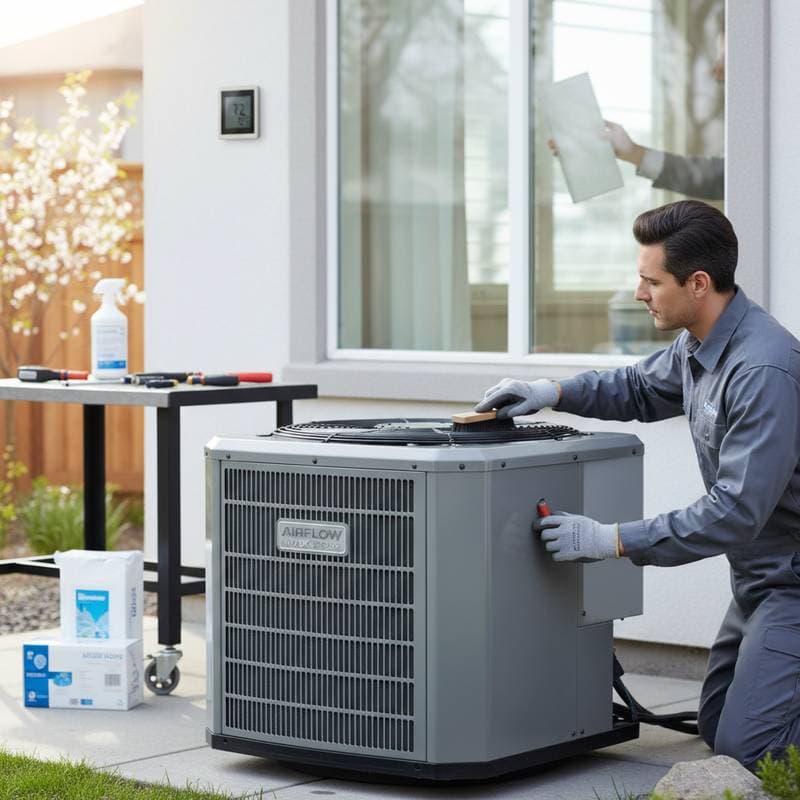
Essential Spring HVAC Maintenance to Prevent Summer Failures
Air conditioning units often remain idle throughout winter, making spring the ideal season for thorough maintenance before summer arrives. The uncertainty of turning on the system for the first time can disrupt comfort during peak heat. A comprehensive spring HVAC inspection eliminates such risks and ensures reliable performance when temperatures soar.
Benefits of Spring HVAC Maintenance
Postponing maintenance until a heat wave strikes leads to scheduling delays, as technicians become overwhelmed with demand. Emergency repairs typically cost twice as much as preventive services. Conducting an inspection in spring allows ample time to address minor issues before they escalate into major failures.
A standard spring HVAC check ranges from $75 to $250, varying by location and system capacity. Minor repairs, such as replacing capacitors or fuses, cost between $100 and $300. A refrigerant recharge may exceed $400. Early detection prevents substantial energy losses and avoids the need for premature system replacement, potentially saving thousands of dollars.
Comprehensive Spring HVAC Maintenance Guide
This guide outlines practical steps to prepare your cooling system for summer. Homeowners can handle several tasks independently, while professional assistance proves essential for complex evaluations.
1. Replace or Clean Air Filters
Air filters serve as the primary barrier against dust and allergens. A dirty filter forces the system to strain, increasing energy consumption and stressing the motor. Replace disposable filters or clean reusable ones every one to three months. Select filters with MERV ratings of 8 to 11 to optimize airflow while effectively capturing particles.
2. Remove Debris from the Outdoor Unit
Winter accumulation of leaves, branches, and soil around the condenser hinders operation. Ensure at least two feet of clearance on all sides of the unit. Disconnect power before gently clearing debris and using a soft brush to straighten bent fins. Avoid directing water toward electrical parts to prevent damage.
3. Examine Vents and Ductwork
Inspect all room vents to confirm they remain open and free from obstructions, such as furniture or rugs. Uneven cooling or odors may indicate duct issues requiring cleaning or sealing. Leaky ducts reduce system efficiency by up to 30 percent, so addressing them enhances performance significantly.
4. Verify Thermostat Functionality
Set the thermostat to cooling mode and lower the temperature by several degrees below the current room level. Observe whether the system activates and delivers cool air effectively. Replace batteries if necessary, or upgrade to a smart thermostat, which can reduce cooling expenses by 10 to 15 percent through automated adjustments based on usage patterns.
5. Maintain the Condensate Drain Line
The drain line expels moisture from the system, but algae and debris can cause clogs. Flush the line with a cup of white vinegar to dissolve buildup and avert overflows. Pooled water near the indoor unit signals an urgent need for clearing.
6. Arrange a Professional Inspection
Professional technicians assess refrigerant levels, secure electrical connections, and evaluate airflow. They identify potential failures in components like compressors or coils early. Certification ensures compliance with safety and efficiency regulations.
Enhancing Safety and Longevity
Disconnect power prior to any cleaning or inspection of HVAC parts. Refrain from accessing sealed areas or managing refrigerant without proper equipment and licensing. Consistent maintenance safeguards the system and prolongs its operational life by multiple years.
For units over ten years old, consult a technician about replacement options. Modern energy-efficient models lower cooling costs and may qualify for financial incentives through rebates.
Practical Strategies for Ongoing Care
Schedule annual spring and fall inspections to maintain peak condition. Document all service dates and repairs to identify patterns in performance. Improve insulation in attics and around ducts to support efficient operation. Monitor for unusual noises, such as rattling or grinding, which indicate emerging problems. Regular upkeep ensures optimal performance and reduced operating expenses.
Securing Comfort Through Proactive Preparation
Completing these spring maintenance steps positions your HVAC system for dependable service throughout summer. Expect consistent cooling, reduced utility bills, and freedom from urgent repair calls. Invest a few hours now to guarantee reliable comfort when heat intensifies.