
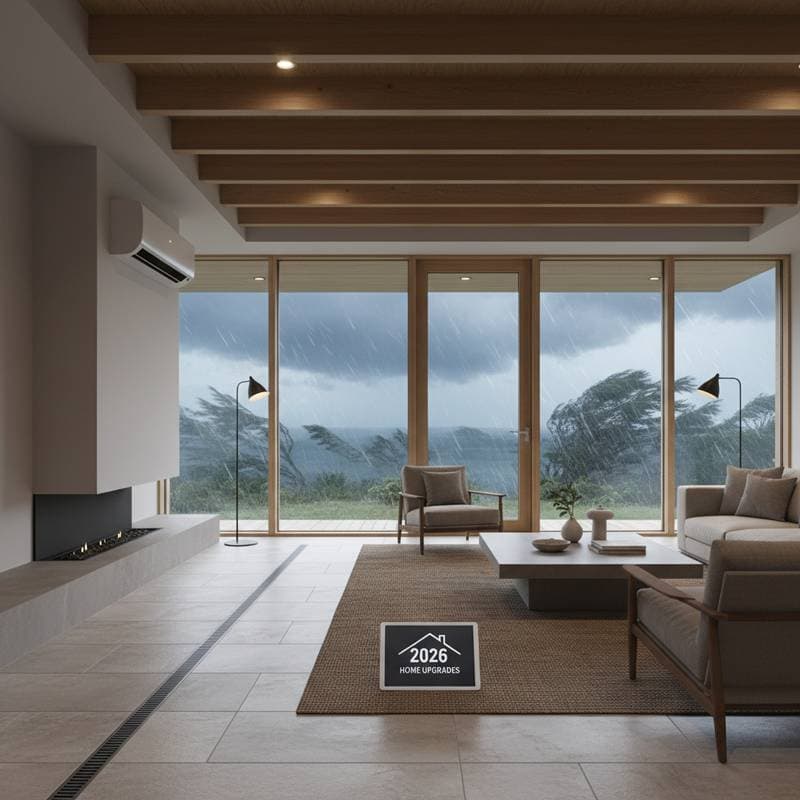
Why 2026 Upgrades Shield Homes from Extreme Weather
Homeowners no longer need to wait for a devastating storm to prioritize protection. Upgrades implemented now create a clear distinction between minor cleanup and extensive reconstruction following extreme weather events. Resilience projects have evolved from optional enhancements to critical necessities, particularly as properties encounter intensified winds, increased rainfall, and prolonged heat waves.
Advancements in materials, design principles, and building codes simplify the process of fortifying a home's structure and systems. Strategic investments in these areas reduce damage risks, decrease insurance premiums, and enhance overall comfort over time.
Understanding the New Weather Reality
Many regions experience noticeable shifts in seasonal weather patterns. Storms occur more frequently, flash flooding becomes common, and temperature extremes challenge structures designed for milder conditions. Roofs that previously endured for decades now degrade more rapidly under these pressures. Basements, once dry, require sump pumps to manage unexpected water ingress. Air conditioning units operate under greater strain for extended durations.
These evolving conditions compel builders and homeowners to integrate resilience-focused upgrades capable of withstanding intensified elements. Features such as reinforced roofing, enhanced drainage solutions, and energy-efficient barriers transition from premium options to essential components of responsible home maintenance.
Core Areas That Protect Your Home
Concentrate efforts on five key systems that determine a home's performance during severe weather. These elements contribute to both immediate safety and sustained property value.
-
Roofing and Gutters
Select roofing materials like hurricane-rated asphalt shingles or durable metal panels to counter wind uplift and flying debris. Install gutter systems equipped with leaf guards to ensure optimal water flow and avoid overflows that compromise foundations. Schedule comprehensive inspections annually and immediately after major storms to identify potential vulnerabilities early. -
Windows and Doors
Opt for impact-resistant glass paired with reinforced frames to minimize breakage and subsequent water entry. Choose products certified for your specific wind zone and engage a licensed contractor for proper installation. Apply weatherstripping to doors and windows to seal gaps, which also boosts energy efficiency during extreme hot or cold periods. -
Siding and Exterior Cladding
Materials such as fiber cement, engineered wood, or composites provide superior defense against moisture and fire compared to standard vinyl options. During siding replacement, incorporate a house wrap or air barrier to control humidity levels and prevent moisture buildup behind panels. These additions maintain the exterior's integrity even in humid or stormy environments. -
Drainage and Grading
Ensure proper site grading slopes away from the foundation to channel water effectively. Integrate French drains or rain gardens to collect and redirect runoff without erosion risks. Extend downspouts at least six feet from the structure to eliminate pooling near walls, reducing the likelihood of basement flooding. -
HVAC and Insulation
Older heating, ventilation, and air conditioning systems struggle with extreme temperatures. Upgrade to heat pumps or variable-speed units that manage varying loads with greater efficiency. Enhance attic insulation and seal ductwork to eliminate air leaks, which lowers energy consumption and stabilizes indoor temperatures year-round.
Budgeting for Resilience
A full weather-hardening initiative typically requires an investment of $8,000 to $25,000, varying by home size, age, and geographic location. Roofing replacements cost approximately $6 to $12 per square foot, while impact windows range from $700 to $1,200 each. Insulation improvements for a medium-sized home fall between $2,000 and $4,000.
Although initial costs appear significant, returns materialize through lower insurance rates and avoided repair expenses after weather incidents. Certain local governments and insurance providers offer incentives, including rebates or premium discounts, for homes achieving certified resilience standards. Evaluate these opportunities to offset expenses and accelerate payback periods.
Safety and Legal Considerations
Review local building codes prior to initiating any upgrades. Numerous areas mandate wind mitigation or flood-resistant features in designated zones to align with updated safety requirements. Obtaining permits ensures adherence to regulations, safeguarding occupants and enhancing marketability to prospective buyers.
Engage licensed professionals for electrical or structural modifications to guarantee quality and compliance. While tasks like applying weatherstripping or clearing gutters suit do-it-yourself approaches, complex system alterations demand expert oversight to avoid hazards.
Timing and Seasonal Strategy
Align upgrade timelines with regional climate patterns for maximum effectiveness. In coastal or hurricane-vulnerable zones, complete roofing and window installations before the onset of heavy rains. Residents in colder climates benefit from addressing insulation and HVAC enhancements prior to winter arrivals, allowing systems to perform optimally from the start.
Consider off-peak seasons for larger projects to secure better contractor availability and potentially reduced rates. This proactive scheduling minimizes disruptions and prepares the home well in advance of peak weather risks.
Pro Tips for Success
- Document all upgrades thoroughly, including receipts, permits, and before-and-after photographs, to support insurance claims efficiently.
- Conduct regular inspections to catch issues like small cracks, loose shingles, or blocked drains before they escalate.
- Bundle related projects, such as combining siding work with insulation additions or gutter overhauls, to streamline costs and labor.
- Prioritize features that appeal to future buyers, like documented resilience certifications, to increase property appeal in competitive markets.
Maintaining Your Investment
Routine maintenance sustains the effectiveness of resilience upgrades over time. Clear gutters biannually to prevent clogs, inspect window and door seals periodically for wear, and arrange HVAC tune-ups before seasonal shifts.
These habits extend the lifespan of improvements and preserve their protective benefits. Beyond shielding against weather threats, fortified homes deliver noticeable gains in daily comfort, reduced energy expenses, and reassurance during uncertain forecasts.