
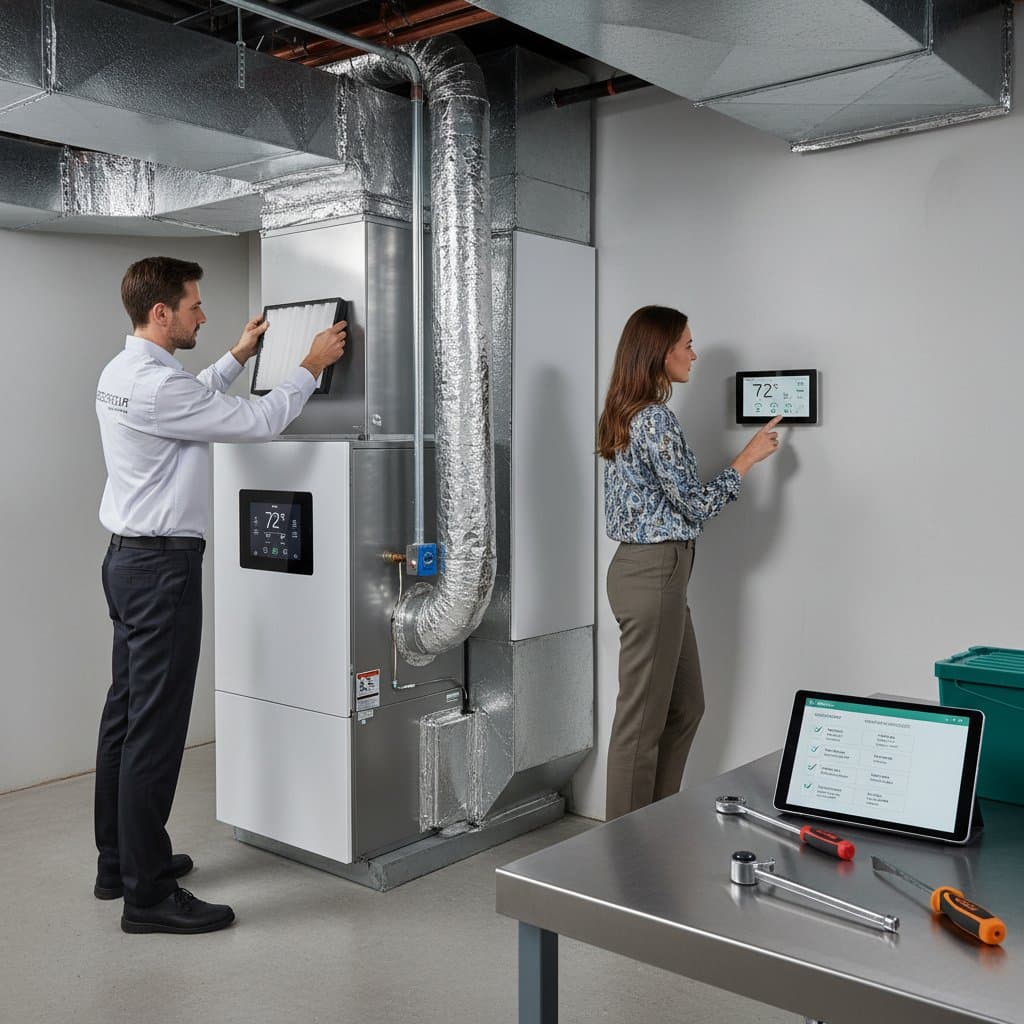
Essential Checks to Prepare Your Home's HVAC System
The arrival of the first warm day after winter brings a sense of renewal. Sunlight streams in, fresh air circulates, and spring cleaning takes priority. Yet, one critical preparation often overlooked is the seasonal tune-up for your HVAC system, which operates discreetly behind vents and walls.
A properly maintained HVAC system maintains cool temperatures, safeguards indoor air quality, controls energy expenses, and prolongs equipment durability. This preparation serves as preventive care that minimizes costs and eliminates unexpected issues. Dedicate a few hours to these tasks, and your system will function as an efficient, dependable source of comfort.
Revitalize Airflow with Filter Maintenance
View your HVAC system as the respiratory system of your home. Air passes through filters and ducts, accumulating dust, pet dander, and pollen over months. Begin preparation by replacing or cleaning air filters. Opt for a high-quality pleated filter, priced from 15 to 40 dollars based on size and MERV rating. In areas with high pollen counts, replace filters monthly during peak seasons to sustain cleaner air.
For reusable filters, wash them thoroughly and allow complete drying before reinstallation to avoid mold. Clean filters boost energy efficiency by up to 15 percent and lessen stress on the blower motor. This routine extends the system's operational life significantly.
Verify Thermostat Precision
The thermostat controls temperature regulation, yet even a two-degree inaccuracy can increase energy use substantially. Compare its reading to a separate thermometer. If differences appear, recalibrate according to the manufacturer's guidelines. Contemporary smart thermostats include auto-calibration and usage analytics to identify consumption patterns.
Consider upgrading from an older model to a programmable or smart thermostat, which ranges from 120 to 250 dollars. These devices reduce cooling expenses by at least 10 percent through programmed schedules. For frequent travelers, app-based remote access maintains comfort while preventing unnecessary operation.
Clear the Condensate Drain Line
Within the indoor unit, the condensate drain line manages moisture from cooling processes. Clogs from algae or debris can cause leaks and odors. Locate the PVC drain pipe and flush it with a cup of vinegar or diluted bleach, followed by warm water. For sluggish flow, apply a wet-dry vacuum to the exterior end to remove obstructions.
This quick procedure, taking about five minutes, prevents water damage and stabilizes humidity. In humid climates, effective moisture control proves essential for comfortable indoor environments.
Assess Refrigerant and Airflow Balance
Detecting low refrigerant requires professional intervention, but identifying signs allows timely action. Warm vent air, frozen coils, or hissing sounds indicate a need for a certified technician. Current systems employ eco-friendly refrigerants that demand specialized management. Expect costs of 150 to 400 dollars for a recharge, varying by system capacity.
During the visit, request airflow measurements and blower inspections. Proper airflow distribution ensures uniform cooling across rooms and prevents short cycling, which accelerates compressor wear.
Conduct a Comprehensive Energy Audit
Rising utility bills despite maintenance suggest underlying inefficiencies. Arrange a home energy audit through local utilities or programs, typically costing 100 to 300 dollars. Auditors employ infrared imaging and blower door tests to pinpoint leaks in windows, insulation, and ducts. Resulting reports provide targeted advice, such as sealing attic penetrations or enhancing insulation, to alleviate HVAC demands.
Integrating audit findings with HVAC upkeep yields substantial savings and sustained comfort.
Arrange Annual Professional Service
DIY efforts complement but do not replace expert oversight. Annual inspections by certified technicians examine electrical components, lubricate mechanisms, and confirm safety features. They also evaluate static pressure and efficiency in gas furnace systems. These services range from 100 to 200 dollars and may include contracts for expedited responses or part discounts.
Select technicians certified by NATE or holding EPA Section 608 credentials. Their expertise aligns with prevailing safety and environmental regulations.
Practical Strategies for Optimal Performance
- Replace filters at the onset of each season to sustain airflow
- Ensure vents remain free from furniture or rugs to promote even cooling
- Employ ceiling fans to distribute air and ease HVAC workload
- Integrate a smart thermostat with schedules matched to daily routines
- Maintain a log of service dates and observations for reference
Secure Long-Term Comfort and Savings
With preparation complete, the initial flow of cooled air signals reliability. This investment in maintenance delivers consistent performance, reduced expenses, and a healthier home environment as seasons change.