
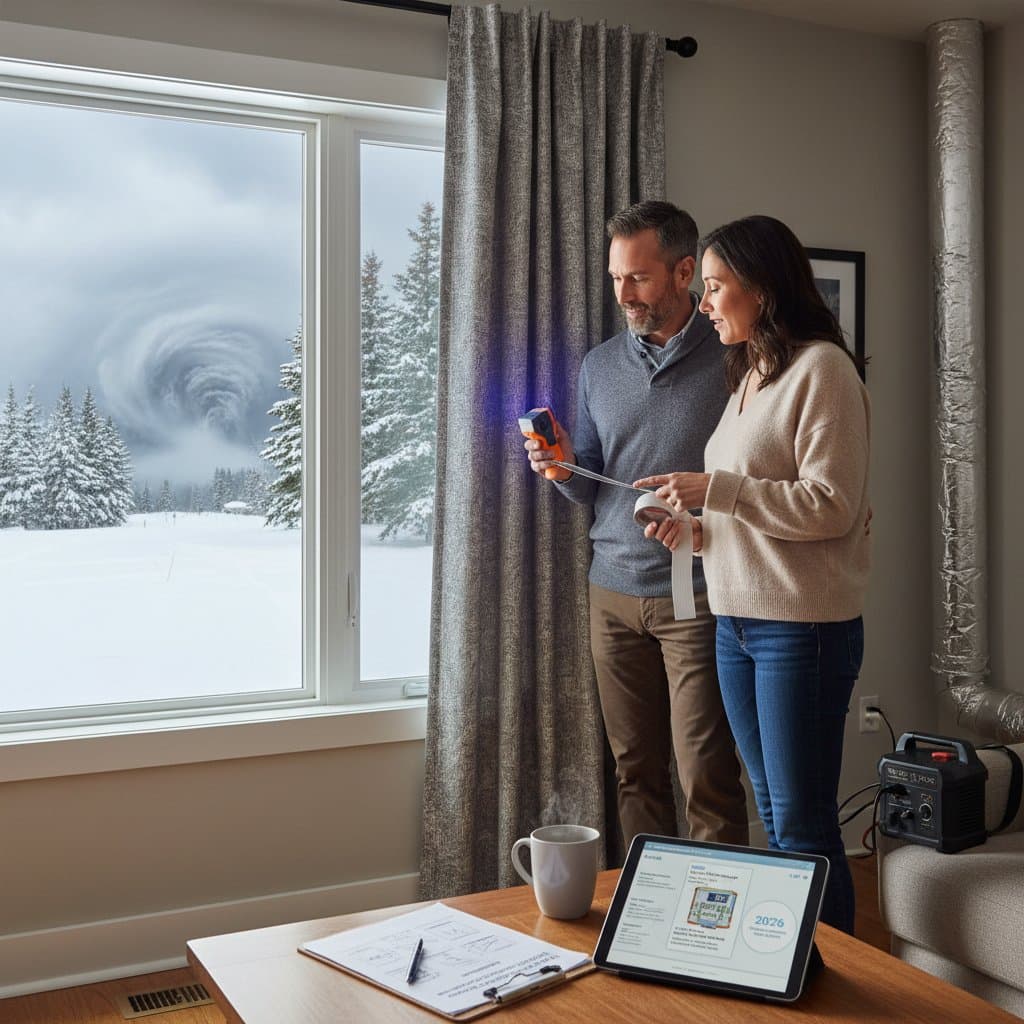
Essential Winterization Priorities
- Identify and seal air leaks around windows, doors, and vents to minimize heat escape.
- Insulate pipes, attics, and crawl spaces to safeguard against freezing temperatures.
- Install backup heating options and power sources for potential outages.
- Clear gutters and examine roofs to mitigate ice dam formation.
- Assemble an emergency kit stocked for at least three days of indoor confinement.
- Service heating systems and replace filters to optimize performance.
Fortifying the Building Envelope
The building envelope serves as the primary defense between your home's interior and exterior harshness. Small gaps in windows, doors, vents, and utility penetrations allow substantial heat loss, increasing energy demands and discomfort.
Effective sealing enhances insulation and reduces utility expenses. Homeowners often overlook these vulnerabilities until cold air infiltrates, but proactive measures yield immediate benefits.
Detailed Sealing Process
- Conduct a thorough inspection by positioning a lit candle or incense near window frames, door edges, and outlet covers. A flickering flame indicates an air leak requiring attention.
- Install durable weatherstripping using silicone or rubber materials designed for long-term adhesion. Budget approximately 50 to 150 dollars for materials sufficient for a standard single-story residence.
- Use caulk for fine gaps less than a quarter-inch wide around trim, siding, and foundation edges. Opt for acrylic or silicone-based products that remain flexible in cold conditions.
- Fit door sweeps or thresholds to seal the gap at the floor level, preventing drafts from rising into living spaces.
These steps can reduce heating costs by up to 20 percent. In older structures, schedule a professional blower door test, priced at 200 to 400 dollars, to detect concealed leaks that evade visual detection.
Safeguarding Plumbing Systems
Frozen pipes rank among the costliest winter issues, with a single rupture capable of flooding interiors and necessitating repairs exceeding thousands of dollars.
Prevention focuses on insulation and accessibility. Addressing exposed lines early avoids emergencies during subzero temperatures.
Key Plumbing Protection Measures
- Wrap exposed pipes in unheated areas such as garages, basements, and crawl spaces using foam sleeves or fiberglass wraps. Secure with tape to ensure full coverage.
- Caulk penetrations where pipes pass through exterior walls, eliminating drafts that accelerate freezing.
- Maintain minimal water flow by allowing faucets to drip during prolonged cold spells, particularly in uninsulated sections.
- Locate and test shut-off valves regularly, ensuring quick access in the event of a leak.
Insulation costs range from 2 to 4 dollars per six-foot length, offering high return on investment. For extended outdoor plumbing, apply self-regulating heat cables, adhering strictly to installation guidelines to prevent fire hazards.
Controlling Moisture to Avoid Ice Dams
Ice dams occur when snow melts on warmer roof sections and refreezes at the edges, forcing water beneath shingles and into attics. This process damages insulation, ceilings, and structural elements over time.
Mitigation requires attention to drainage and temperature regulation. Early intervention preserves roof integrity and prevents interior water intrusion.
- Clear gutters and downspouts of debris to facilitate unimpeded meltwater flow.
- Position downspout extensions at least five feet from the foundation, directing water away from vulnerable areas.
- Balance attic insulation and ventilation to maintain even roof temperatures, avoiding excessive heat buildup.
For persistent problems, consider heated cable systems along eaves or waterproof membranes during roof maintenance. These solutions, costing 500 to 1200 dollars, provide durable protection against recurring damage.
Preparing Exterior Elements and Systems
Exterior components endure the brunt of winter extremes, from freeze-thaw cycles to heavy snow loads. Routine checks and protections extend their lifespan and avert springtime overhauls.
Focus on water management and structural stability. These preparations ensure landscapes and facades remain intact post-winter.
Comprehensive Exterior Review
- Drain hoses thoroughly and store them in a sheltered location to prevent material degradation.
- Close exterior water valves and drain lines by opening spigots, removing residual moisture.
- Insulate outdoor faucets with foam covers rated for subzero conditions.
- Prune branches overhanging the roof or power lines, reducing risks from ice-laden falls.
- Examine siding and trim for cracks, applying sealant to bar moisture entry.
Wooden decks and patios benefit from fresh weatherproof coatings to resist warping. Secure or store outdoor furnishings to shield them from elemental exposure.
Advanced Strategies for Lasting Results
- Initiate preparations in fall when materials apply most effectively, avoiding rushed efforts as temperatures decline.
- Maintain a detailed checklist tracking maintenance schedules, filter changes, and observations for consistent follow-through.
- Record all enhancements through photographs and documentation, aiding insurance processes or property valuations.
- Combine self-directed tasks with expert services for optimal outcomes, reserving electrical and structural work for qualified professionals.
Prioritize high-impact projects like envelope sealing and insulation for rapid energy savings. Cumulative efforts over seasons lower bills and enhance resilience against weather challenges.
Maximizing Seasonal Comfort and Efficiency
A winterized home delivers sustained warmth and security, transforming potential hardships into manageable routines. Regular upkeep reinforces these benefits, ensuring reliable performance amid storms.
Homeowners gain peace of mind knowing systems operate efficiently, with reduced risks of disruption. Invested time yields dividends in comfort, cost savings, and home longevity.