
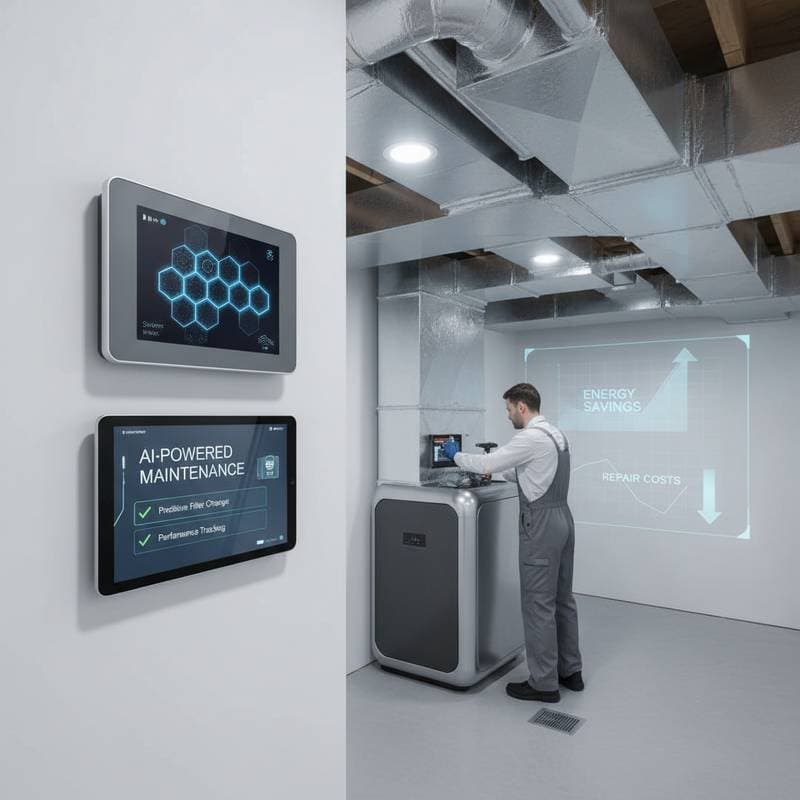
AI Diagnostics Prevent Costly Spring HVAC Failures
Spring brings warmer temperatures, and homeowners rely on their HVAC systems to transition smoothly from heating to cooling. However, this season often reveals underlying issues that lead to unexpected repairs and discomfort. An AI-powered diagnostic tool changes this dynamic by providing proactive insights that identify problems early, ensuring reliable performance and avoiding major breakdowns.
How AI Enhances Seasonal HVAC Maintenance
Manual spring inspections depend on visual checks and scheduled visits, which may overlook subtle inefficiencies. AI systems analyze data from connected devices to monitor usage patterns and detect anomalies in real time. For instance, they integrate inputs from smart thermostats, sensors, and usage logs to spot reduced airflow or unusual energy consumption before these issues escalate.
Homeowners benefit from this approach through timely notifications that guide maintenance decisions. Rather than waiting for a system failure, individuals receive specific alerts, such as recommendations to clean components or schedule service, based on predictive algorithms.
Essential Steps in an AI-Assisted HVAC Checklist
Implement this checklist to combine AI diagnostics with hands-on tasks for comprehensive spring preparation. Each step leverages technology where possible while emphasizing practical actions.
-
Initiate a full system diagnostic scan. Activate the AI feature on your smart thermostat or home automation hub. It will review recent performance data to highlight issues like irregular temperature fluctuations, excessive runtime, or power anomalies.
-
Evaluate and replace air filters. AI tools monitor static pressure and operational hours to forecast filter degradation. Swap out filters as soon as the system notifies you, or follow a quarterly schedule for non-connected units to maintain optimal airflow.
-
Clear debris from condenser coils and outdoor units. While AI detects efficiency drops through temperature differentials, manual cleaning remains essential. Remove accumulated leaves, dirt, and vegetation from the condenser area to prevent overheating and restricted operation.
-
Assess refrigerant levels via sensor data. Advanced systems use pressure and temperature sensors to identify potential leaks or low charges. If alerts indicate imbalances, engage a certified technician immediately, as refrigerant handling demands professional expertise and compliance with regulations.
-
Adjust and calibrate thermostat functions. For AI-enabled thermostats with learning capabilities, update settings to reflect spring cooling needs. Verify that the device accurately senses room temperatures and aligns schedules with occupancy patterns for energy efficiency.
-
Examine ductwork integrity. AI can infer leaks from airflow discrepancies detected by in-duct sensors. Seal any identified gaps with mastic or foil tape to minimize energy loss and ensure even air distribution throughout the home.
-
Verify startup and shutdown sequences. Test the complete cooling cycle, observing how the compressor, blower fan, and controls interact. AI logs will record cycle durations and flag signs of impending wear, such as prolonged starts or abrupt halts.
Investment Breakdown for AI-Enhanced Maintenance
Professional spring servicing typically costs between 100 and 300 dollars, covering basic inspections and adjustments. Integrating AI monitoring involves an initial outlay of 100 to 200 dollars for compatible devices and installation, varying by manufacturer. Over time, these tools reduce repair bills, which often surpass 1,000 dollars for major components like compressors or heat exchangers.
Homeowners handle most checklist items in approximately two hours, with professional assistance adding one hour for specialized tasks. This investment yields long-term savings through prevented failures and optimized energy use.
Indicators for Professional HVAC Intervention
AI diagnostics provide valuable guidance, yet they complement rather than substitute for expert evaluation. Summon a licensed technician when the system reports refrigerant deficiencies, electrical faults, or ongoing airflow restrictions. For units over 10 years old or neglected for multiple seasons, prioritize a thorough professional assessment before depending solely on automated tracking.
Resolving FrequentAlerts
AI systems issue targeted warnings to address common spring challenges. High energy consumption often stems from dirty filters, incorrect fan speeds, or thermostats exposed to sunlight, which skew readings. Start by verifying these elements to restore normal operation.
Uneven temperatures across rooms signal blocked vents or closed dampers; open them fully and clear obstructions for balanced cooling. Short cycling, where the unit activates and deactivates rapidly, frequently results from thermostat proximity to supply vents or returns—relocate the device to a central, shaded spot.
Humidity notifications require attention to the evaporator coil and condensate drain, which may accumulate mold or blockages. Clean these areas thoroughly to enhance dehumidification and prevent indoor air quality issues.
Sustaining Optimal System Performance Year-Round
After completing spring preparations, configure AI reminders for ongoing tasks like monthly filter inspections and quarterly full scans. Regularly examine energy usage reports to identify trends and adjust habits accordingly. This disciplined routine prolongs equipment lifespan, stabilizes operating costs, and maintains consistent indoor comfort amid changing seasons.
Embracing AI diagnostics equips homeowners with precise, data-backed strategies for HVAC management. This method eliminates uncertainty, controls expenses, and ensures a dependable home environment throughout the year.