
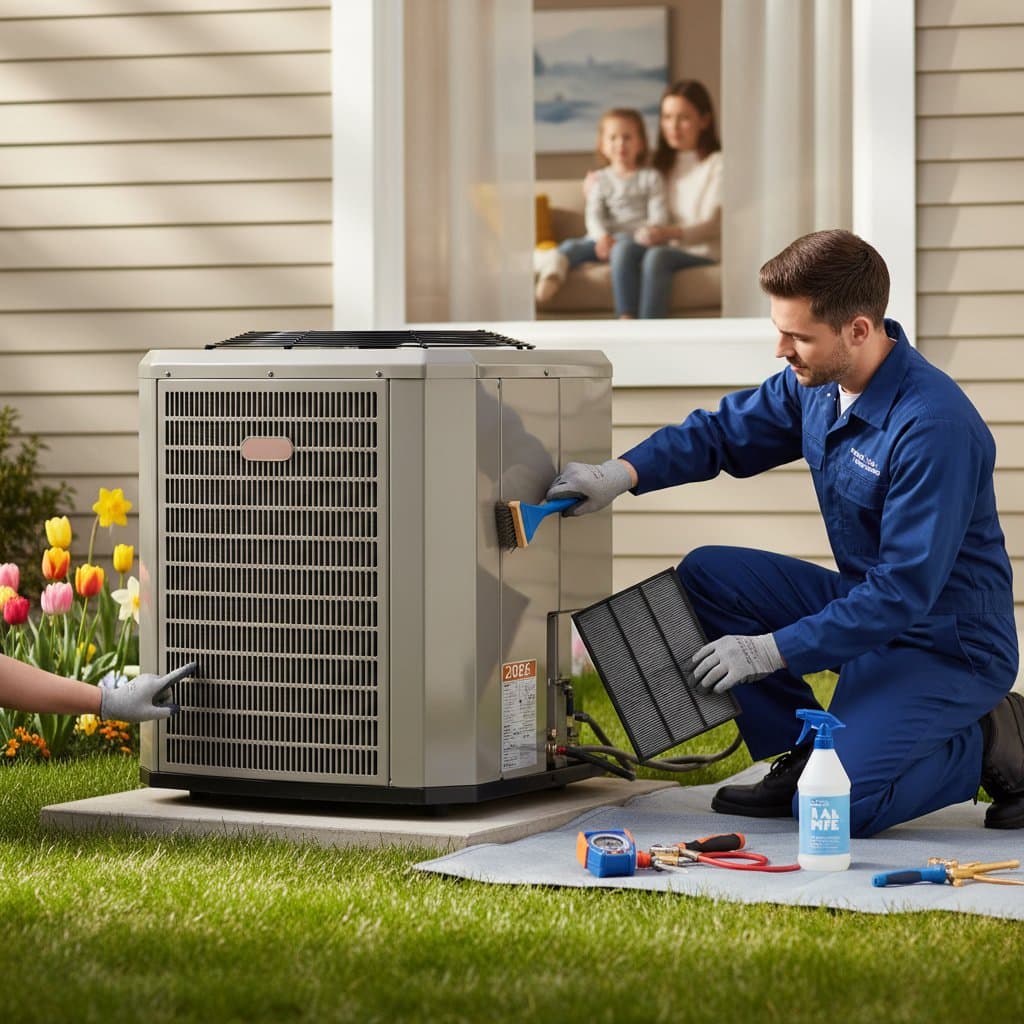
Why Spring Maintenance Matters for Your HVAC System
As temperatures rise, your heating, ventilation, and air conditioning system faces increased demands. Proactive care during spring ensures reliable performance throughout the summer. This preparation avoids unexpected failures and maintains a comfortable indoor environment.
Neglecting maintenance leads to reduced efficiency and higher energy bills. Dust and debris accumulate over winter, straining components. Addressing these issues early extends equipment lifespan and improves air quality.
Key Benefits of a Spring HVAC Tune-Up
A thorough tune-up optimizes system operation. Efficiency gains reduce energy consumption by up to 20 percent in many cases. Lower utility costs follow naturally from this improved performance.
Extended equipment life results from preventing wear on critical parts. Enhanced indoor air quality comes from cleaner filters and coils, reducing allergens and pollutants. Overall, these advantages create a healthier and more comfortable home.
Essential Maintenance Tasks
Perform these steps to ready your system for warmer weather. Start with basic inspections and progress to detailed cleaning.
Inspect and Replace Air Filters
Air filters trap dust and debris, protecting internal components. Check filters monthly during peak seasons, but replace them at least twice a year. Select filters with a MERV rating of 8 to 13 for balanced filtration without restricting airflow.
Dirty filters force the system to work harder, increasing energy use. A clean filter improves airflow and maintains even temperatures throughout your home.
Clean Coils and Drain Lines
Evaporator and condenser coils collect dirt over time, hindering heat transfer. Gently clean coils with a soft brush or coil cleaner solution. Rinse thoroughly to remove residue.
Clogged drain lines cause water backups and potential damage. Flush lines with a vinegar-water mixture to clear buildup. This prevents humidity issues and mold growth.
Check Refrigerant Levels
Proper refrigerant levels ensure efficient cooling. Low levels indicate leaks, which require professional attention. Avoid adding refrigerant yourself, as it demands specialized tools and certification.
Maintaining correct levels prevents compressor strain and extends system longevity.
Examine Electrical Components
Inspect wiring, capacitors, and relays for wear or corrosion. Tighten connections to prevent electrical faults. Test the thermostat for accurate readings and responsiveness.
Faulty components lead to intermittent operation or complete breakdowns. Early detection avoids costly repairs during peak summer demand.
Lubricate Moving Parts
Motors and fans require lubrication to reduce friction. Apply manufacturer-recommended oil to accessible bearings. This minimizes noise and wear, ensuring smooth operation.
Regular lubrication supports energy efficiency and quiet performance.
DIY Versus Professional Service
Homeowners can handle basic tasks like filter changes and visible cleaning. These actions provide immediate benefits with minimal tools. However, complex issues demand expert intervention.
Schedule an annual professional inspection for comprehensive diagnostics. Technicians use specialized equipment to detect hidden problems. This approach combines cost savings from DIY with thorough professional care.
Long-Term Strategies for HVAC Reliability
Integrate maintenance into your seasonal routine. Track service dates in a calendar to stay consistent. Consider energy-efficient upgrades, such as programmable thermostats, for further savings.
Monitor system performance through utility bills and comfort levels. Unusual spikes or uneven cooling signal the need for prompt attention. These habits sustain efficiency year-round.
Achieving Comfort and Savings This Summer
Spring preparation transforms your HVAC system into a dependable asset. Efficient operation delivers cool air without excessive costs. Cleaner components foster better health and peace of mind.
Invest time now to enjoy uninterrupted comfort later. Your proactive efforts yield a cooler, more efficient home all season long.