
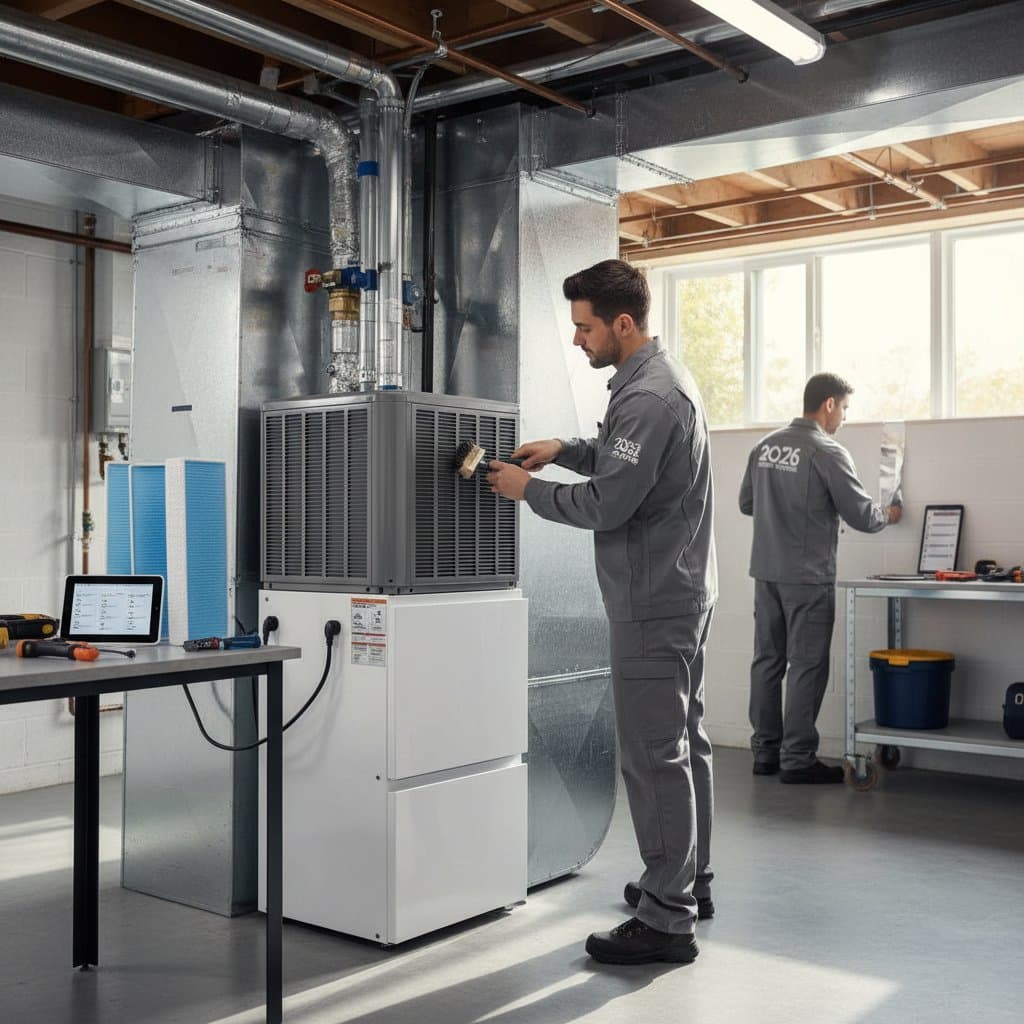
Spring HVAC Tune-Up for Maximum Energy Savings
As spring warmth emerges, many homes reactivate air conditioning units after winter inactivity. A faint dust odor often signals the need for attention. A comprehensive tune-up before intense heat arrives distinguishes seamless cooling from sudden failures. This maintenance also trims energy expenses substantially and prolongs equipment durability.
Optimal Timing for Spring Maintenance
Spring provides an ideal window for HVAC servicing. Mild conditions allow safe system shutdown for thorough cleaning and evaluation. Proximity to summer ensures prompt resolution of any detected problems. Experts emphasize that unobstructed coils, filters, and ducts enable peak efficiency. Basic preparations now maintain cooler interiors, extend equipment life, and minimize seasonal energy demands.
Essential Tune-Up Procedures
Professional servicing exceeds surface-level tasks like dusting or filter swaps. Homeowners can manage initial steps, but experts handle complex elements. Review these critical areas systematically.
-
Filter Replacement or Cleaning
Clogged filters restrict airflow and elevate utility costs. Exchange disposable types or rinse reusables every one to three months. Clean filters enhance efficiency and purify indoor air, particularly during high pollen periods. -
Thermostat Calibration
Verify thermostat accuracy against actual room temperature. Discrepancies exceeding a few degrees require adjustment. Smart models adapt to occupancy patterns, curtailing energy consumption during absences. -
Condenser Coil Cleaning
Outdoor units accumulate leaves, soil, and debris, impairing heat transfer. Disconnect power, detach the fan guard, and rinse coils with a low-pressure hose. Steer clear of forceful streams that might damage fine aluminum fins. -
Evaporator Coil and Drain Line Examination
Within the air handler, evaporator coils extract indoor heat. Accumulated dust and mold hinder cooling. Apply a soft brush or specialized cleaner, and clear the condensate drain to avoid leaks or pan mold. -
Refrigerant Level Verification
Insufficient refrigerant indicates potential leaks. Weak cooling or coil icing warrants professional intervention. Certified handling of refrigerant demands specific qualifications and equipment. -
Ductwork and Vent Assessment
Leaks in ducts dissipate up to 20 percent of treated air, per efficiency analyses. Apply foil-backed tape to seal evident gaps, avoiding ordinary duct tape. Vacuum vent covers to promote unrestricted flow. -
Electrical Component Evaluation
Examine wiring, capacitors, and contactors for deterioration or rust. Faulty connections risk shorts and shorten system life. Professional skills ensure safe inspection.
Anticipated Costs and Duration
Professional tune-ups range from 80 to 200 dollars, varying by system scale and access. Self-performed tasks like filter changes, coil rinsing, and thermostat adjustments cost 20 to 40 dollars in materials. Sessions typically last one to two hours, with extended times for aged or hard-to-reach units.
Benefits justify the outlay. Optimized systems achieve up to 15 percent greater efficiency, yielding rapid savings on monthly bills. Consistent care postpones costly overhauls, sustaining performance for additional years compared to ignored systems.
Safety Measures and Expert Guidance
Disconnect power prior to any HVAC work. Electrical and water interactions pose serious risks. Halt inspections upon discovering damaged wires, refrigerant escapes, or unusual grinding sounds, and engage certified service.
Professionals conduct advanced checks, including compressor current and pressure equilibrium, vital for secure function. Select technicians accredited by NATE or ACCA. Insist on documented service lists to evaluate offerings. Thorough work encompasses coil sanitation, refrigerant assessment, duct review, and thermostat tuning.
Strategic Seasonal Preparation and Eco-Advantages
Early-season upkeep yields environmental gains. Efficient operations lessen grid demands and curb emissions. Precise refrigerant management and filter upkeep support sustainability objectives.
For systems over ten years old, explore phased enhancements. Variable-speed compressors and efficient air handlers consume less power while stabilizing temperatures. Upgrading to programmable or smart thermostats delivers efficiency without extensive changes.
Resolving Frequent Challenges
Tune-ups often reveal minor issues addressable without experts.
- Inconsistent Cooling: Confirm all room vents remain open and clear. Obstructions cause uneven warmth.
- Short Cycling: Clogged filters or thermostats near heat sources trigger rapid on-off patterns. Relocate units to interior walls for precise sensing.
- Unusual Sounds: Rattles suggest loose fasteners or fan debris. Buzzing or grinding signals electrical or motor faults requiring specialist review.
Swift corrections minimize wear and sustain uniform comfort.
Sustaining Peak Performance
Post-tune-up, adopt monthly routines to preserve efficiency. Vacuum intake areas against dust, clear outdoor units of foliage and clippings, and monitor filters routinely. Set seasonal reminders for inspections.
In humid areas, integrate dehumidifiers to ease cooling loads. Dry regions benefit from winter humidifiers, averting material cracks and static while elevating comfort. These accessories refine air quality and balance system demands.
Achieving Reliable Comfort
Beyond bill reductions, spring tune-ups deliver quieter operation and dependable cooling. Expect purer air, consistent temperatures, and reduced repair interruptions. Approach maintenance as a proactive step or expert investment for enduring satisfaction and financial prudence. As summer intensifies, enjoy optimized energy use and ideal home conditions.