
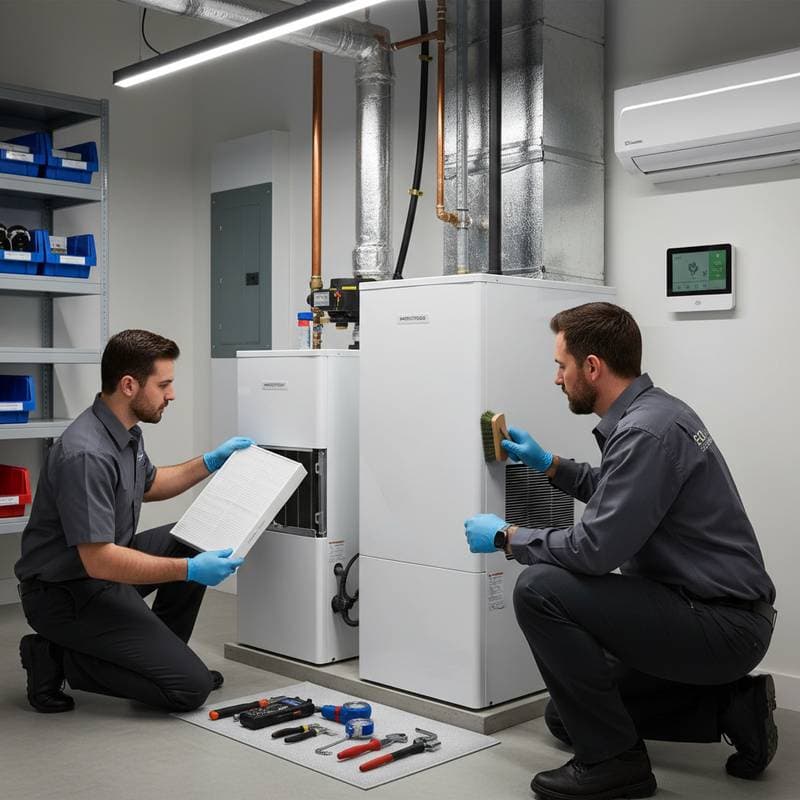
Optimize Your HVAC System with Spring Tune-Ups for 2025 Efficiency
The solution proves straightforward. Homeowners require a spring HVAC tune-up to achieve lower energy bills, cleaner indoor air, and reduced risk of mid-season failures. Numerous individuals overlook this yearly procedure until the system delivers warm air during peak summer heat. At that point, repair expenses exceed the cost of preventive care by a significant margin. A spring inspection preserves home comfort, system efficiency, and financial stability.
Select Spring as the Ideal Period for HVAC Maintenance
Spring occupies the optimal interval between heating and cooling demands. The system has endured intensive winter operation, and prior to activating air conditioning, it demands thorough preparation. This maintenance allows technicians to identify minor issues before they escalate into costly repairs. Furthermore, it prepares the residence for initial heat surges without unexpected disruptions.
HVAC tune-ups elevate energy efficiency by up to 15 percent, resulting in substantial summer savings. Thorough coil cleaning, secure seals, and accurate thermostat settings minimize operational stress. Consequently, repair frequency decreases, and equipment durability increases.
Comprehensive Checklist for HVAC Tune-Ups
Effective spring tune-ups address all elements influencing comfort, safety, and functionality. Professionals or diligent homeowners can follow this checklist to cover critical areas comprehensively.
1. Replace the Air Filter
Clogged filters represent the primary reason for diminished airflow and excessive system workload. Exchange disposable filters or wash reusable versions every one to three months. Clean filters enhance indoor air quality and promote extended system durability.
2. Clean the Coils
Dust and debris accumulate on the indoor evaporator coil and outdoor condenser coil. Remove these contaminants to avoid impaired heat exchange, which forces the system to operate inefficiently.
3. Calibrate the Thermostat
Verify that the thermostat registers precise temperatures. Inaccurate readings lead to energy waste and inconsistent cooling. Test and adjust smart thermostats to align with seasonal usage patterns.
4. Inspect Refrigerant Levels
Insufficient refrigerant diminishes cooling effectiveness and may signal leaks. Certified technicians alone manage refrigerant, as errors can harm the compressor and breach environmental standards.
5. Examine Electrical Connections
Loose wires or corroded contacts pose fire risks and trigger failures. Technicians secure these elements and measure voltage to confirm safe operation.
6. Clear the Drain Line
Algae and sediment frequently obstruct condensation drains. Eliminate blockages to prevent water leakage and mold proliferation around the air handler.
7. Adjust the Blower and Fan
Clean and balance the blower motor and fan blades to sustain steady airflow and lessen wear on components.
8. Conduct a Full System Test
Following maintenance, operate the system completely. Monitor for abnormal sounds, evaluate room airflow, and confirm consistent cool air delivery.
Evaluate Costs and Return on Investment
Professional spring tune-ups generally cost between 100 and 250 dollars, varying by system capacity and local labor rates. Although this appears as an additional outlay, returns materialize rapidly through efficiency gains and avoided repairs. Annual savings in energy and emergency services often reach hundreds of dollars.
For aging HVAC units, tune-ups offer insights into operational longevity. Technicians pinpoint components approaching end-of-life, enabling proactive replacement planning over reactive crises. Consistent maintenance prolongs system life by multiple years, postponing full replacements that range from 6,000 to 12,000 dollars.
Choose Between DIY and Professional Services
Homeowners manage straightforward tasks such as filter swaps, thermostat verifications, and clearing debris from exterior units. Delegate refrigerant management, electrical inspections, and internal cleanings to licensed HVAC specialists. Many warranties mandate certified evaluations to remain valid; neglecting them risks coverage loss and diminishes property value upon sale.
When selecting a service provider, confirm credentials including licensing, insurance, and client testimonials. Inquire about inclusion of detailed checklists, diagnostic summaries, and labor guarantees. Established professionals provide such records without reluctance.
Prioritize Safety and Regulatory Adherence
HVAC equipment features high-voltage elements, mechanical components, and pressurized refrigerants, demanding rigorous safety measures. Disconnect power sources prior to any examination, and utilize protective equipment for filter handling or coil maintenance. In areas with stringent environmental rules, refrigerant procedures must align with local statutes.
Routine maintenance seldom requires permits, yet substantial repairs or part substitutions necessitate contractor-filed approvals. Compliance ensures adherence to building codes and facilitates insurance processes or property assessments.
Account for Regional and Seasonal Variations
Local climate dictates maintenance frequency. Humid environments accelerate drain clogs, necessitating more regular clearing. Dusty or dry regions demand monthly filter changes. Coastal residents benefit from periodic outdoor unit rinsing to counteract salt-induced corrosion.
Book tune-ups ahead of intense heat periods to secure prompt scheduling and standard rates. Delaying until demand peaks results in extended queues and elevated fees.
Implement Practical Strategies for Ongoing Performance
Sustain HVAC reliability through these routines:
- Maintain a three-foot perimeter around exterior units to facilitate unrestricted airflow.
- Check refrigerant line insulation for damage or deterioration.
- Employ programmable thermostats to minimize consumption during absences.
- Arrange annual professional inspections without fail.
- Document service timelines and observations for reference.
Secure Long-Term Benefits from Tune-Ups
Beyond immediate comfort, a tuned HVAC system safeguards structural integrity against moisture, upholds superior air quality, and advances energy conservation. View spring maintenance as essential upkeep for residential well-being. This proactive step averts disruptions and maximizes value from the investment.