
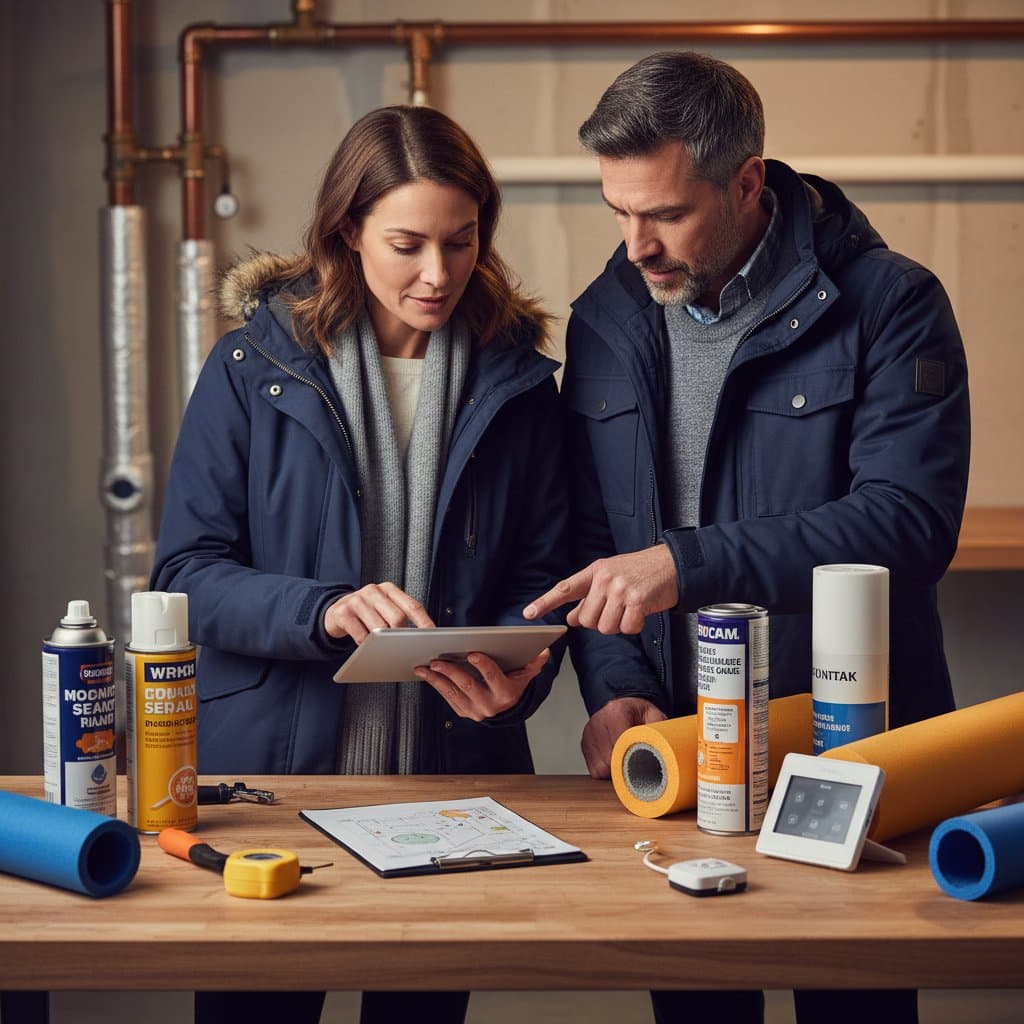
Essential Weekend Checklist to Prevent Frozen Pipes
Turning on a faucet during winter and encountering no water flow creates immediate concern. Visions of ruptured pipes, water-soaked areas, and substantial repair expenses quickly follow. Preparation eliminates most such issues. Dedicate a weekend to targeted efforts and acquire basic supplies to shield plumbing from severe cold.
This maintenance guide provides a structured sequence of actions, covering insulation, draft elimination, monitoring, and contingency plans. Residents in areas with occasional freezes or prolonged subzero conditions benefit equally. These measures ensure reliable water supply and limit financial burdens.
Step 1: Identify Vulnerable Pipes
Begin by pinpointing plumbing sections exposed to cold. Pipes in unheated zones such as attics, crawl spaces, basements, and garages encounter the highest risk. Those along exterior walls, near outdoor faucets, or adjacent to unsealed windows and vents require attention.
Tour the property using a flashlight and record observations:
- Uninsulated sections: Exposed metal surfaces on pipes
- Draft sources: Air movement near outer walls or over unheated areas
- Moisture signs: Condensation on pipes signaling leaks or excess humidity
Sketch a basic diagram of the plumbing system. Flag priority zones with adhesive markers. This overview streamlines subsequent protection efforts and avoids overlooking concealed pipe segments.
Step 2: Seal Air Leaks and Drafts
Drafts accelerate pipe cooling and heighten freeze risks. Address gaps around windows, doors, electrical outlets, and pipe penetrations to create a thermal barrier.
Apply these techniques:
- Weatherstripping: Install foam or rubber strips on door and window frames
- Caulk: Fill cracks in walls and foundations with silicone-based sealant
- Outlet covers: Use insulated plates over electrical sockets on exterior walls
Inspect and repair simultaneously to enhance energy efficiency. These adjustments cost under $50 and complete in a few hours, providing broad home benefits beyond plumbing protection.
Step 3: Insulate Exposed Pipes
Insulation forms the primary barrier against freezing. Select foam sleeves, fiberglass wraps, or polyethylene covers to maintain stable water temperatures and delay ice formation.
Consider these material choices:
- Foam sleeves: Affordable at about $1 per foot, simple for straight runs
- Fiberglass wraps: Ideal for bends and confined spaces
- Rubber variants: Superior for longevity and water resistance
Measure pipe diameters accurately prior to purchase. Trim insulation for secure fits and secure edges with foil tape. Focus on joints and curves, which dissipate heat rapidly. In harsh climates, layer insulation on outer walls or incorporate electric heat cables for added security.
Step 4: Maintain Indoor Faucet Flow
Even insulated pipes benefit from slight water movement on frigid nights. Allowing faucets to drip prevents stagnation and complete freezing in marginal areas.
Follow this routine:
- Identify sinks and showers near exterior walls
- Set a slow trickle from hot and cold sides when temperatures fall below freezing
- Collect drips in a bucket for reuse or disposal
This practice uses minimal water, often less than a gallon overnight. It serves as a low-effort safeguard during unexpected cold spells.
Step 5: Drain and Secure Outdoor Fixtures
Exterior plumbing freezes earliest in dropping temperatures. Prior to initial frosts, isolate and empty these components to avert expansion damage.
Execute these procedures:
- Close indoor valves supplying outdoor faucets
- Drain spigots by opening them fully outdoors
- Relocate hoses to heated storage to avoid material failure
- For sprinkler systems, blow out lines with air compressor or activate drain valves
Residual moisture expands upon freezing, often cracking connectors. This process requires under an hour yet prevents repairs costing hundreds of dollars.
Step 6: Insulate Crawl Spaces and Basements
Unfinished underfloor areas trap cold air, endangering adjacent pipes. Enhancing insulation in these zones bolsters plumbing resilience and home-wide efficiency.
In crawl spaces:
- Affix rigid foam panels or fiberglass batts to foundation walls
- Lay plastic sheeting as a vapor retarder
- Insulate access points and vents with foam seals
In basements:
- Insulate rim joists and sill plates with foam board
- Patch wall fissures using hydraulic cement
- Deploy a portable heater in severe weather zones
Projects range from $200 to $800 based on area size. Returns include improved livability and reduced heating demands.
Step 7: Integrate Smart Monitoring Technology
Modern devices provide proactive defense against water issues. Sensors and valves identify anomalies like low temperatures or leaks, enabling swift responses.
Key capabilities encompass:
- Real-time temperature and usage tracking
- Mobile notifications for irregularities
- Self-closing valves to halt flow during threats
Systems install for $200 to $600, varying by complexity. Many insurers provide premium reductions for such installations; consult your policy for eligibility.
Step 8: Arrange Professional Review
DIY measures complement but do not replace expert evaluation. Annual checks by licensed plumbers uncover subtle vulnerabilities using specialized equipment.
Request assessments of:
- Insulation integrity and heating element function
- Valve condition and corrosion levels
- System pressure to avoid joint strain
- Pump and drain functionality
Fees typically span $100 to $250 according to property scale. Early detection averts major incidents and associated expenses.
Practical Strategies for Long-Term Protection
Record all modifications with photographs for future reference or claims processing. Mark main valves clearly with labels for household accessibility in crises. Inspect insulation annually, as environmental factors cause wear. Perform the full routine each autumn to sustain effectiveness.
Sustaining Plumbing Reliability Year-Round
Consistent application of these steps fortifies your home against winter threats. Beyond immediate safeguards, such diligence promotes energy savings and structural longevity. Invest this time now to enjoy uninterrupted comfort through the seasons.