
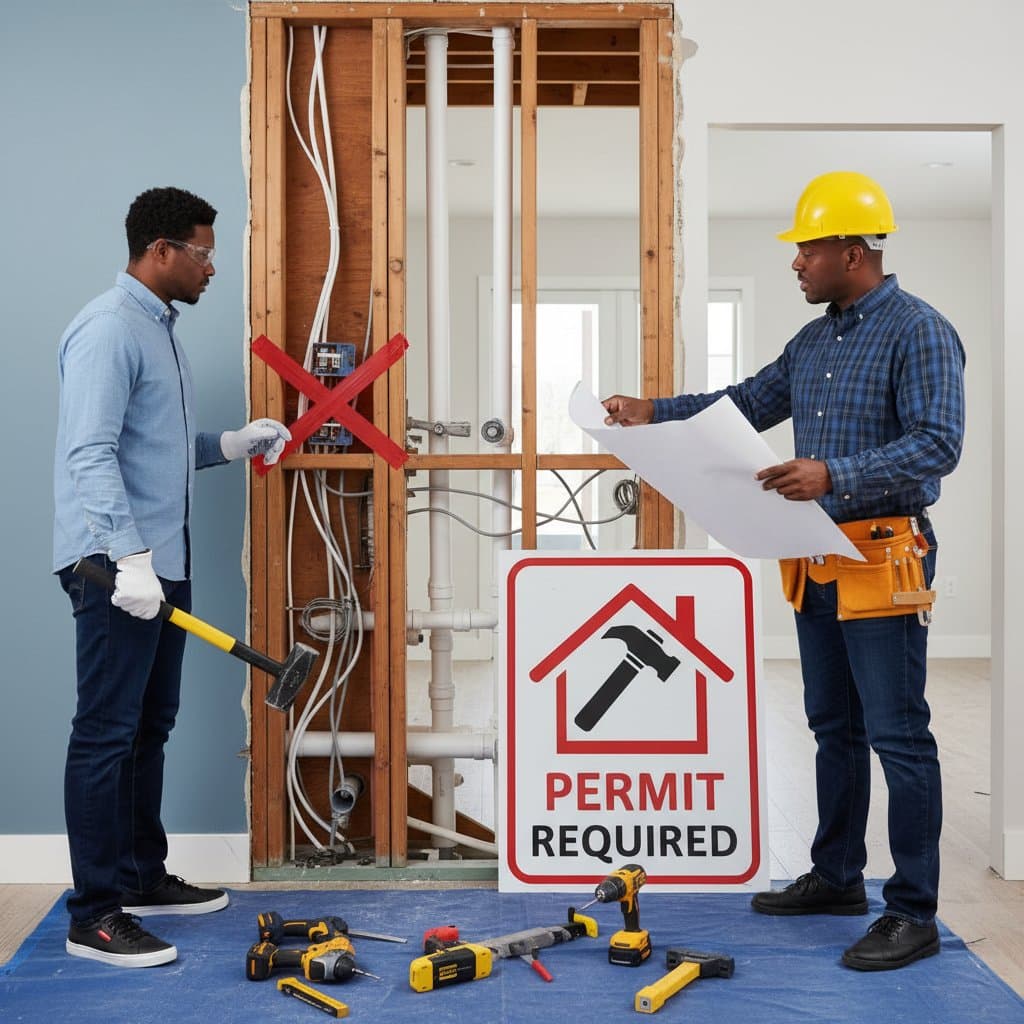
Identifying Projects That Demand Permits and Professional Expertise
Homeowners often feel empowered by the prospect of tackling renovations independently. However, certain projects extend beyond personal capabilities and enter realms regulated by local building codes. These initiatives require permits, inspections, and the involvement of licensed professionals to ensure compliance and safety. Overlooking these requirements can lead to significant financial penalties, structural failures, or legal disputes.
To navigate this landscape effectively, homeowners must recognize the boundaries between permissible DIY tasks and those that demand expert intervention. This awareness prevents disruptions and preserves the value of the property.
Consequences of Bypassing Required Permits
The allure of avoiding bureaucratic steps is understandable, yet unpermitted alterations carry long-term repercussions that affect finances, safety, and property usability.
Insurance Coverage Gaps
Homeowners insurance policies typically cover damages only if work adheres to code standards. Unpermitted modifications, such as unauthorized electrical wiring, may lead to claim denials. For instance, a malfunctioning uninspected circuit could cause a fire, leaving the owner responsible for repair costs that might reach tens of thousands of dollars.
Challenges During Property Sales
Prospective buyers rely on thorough inspections during real estate transactions. The absence of permit records for major changes, like roof replacements or additions, can lower offers or halt deals entirely. Sellers may then face expenses for retrospective approvals, which involve dismantling portions of the work for verification.
Potential Safety Compromises
Building permits enforce adherence to safety protocols designed to protect occupants and adjacent properties. Non-compliant plumbing installations risk water contamination or bursts, while improper structural supports could cause collapses during storms. These oversights not only endanger lives but also invite liability claims from affected parties.
Financial Penalties from Authorities
Local governments enforce codes through inspections and can impose fines ranging from hundreds to thousands of dollars per violation. In severe cases, officials mandate the removal of non-compliant structures, such as unpermitted decks or extensions. These costs often surpass the fees for initial professional services and permits.
Defining Regulated DIY Projects
Local ordinances delineate specific home improvement activities that prohibit unlicensed execution. These rules stem from the complexity and hazards involved, ensuring only qualified individuals handle them. Below are common examples where professional licensing and permits are mandatory.
-
Electrical System Upgrades: Tasks like installing a new service panel or extending wiring to additional rooms require certification. Amateurs risk electrocution or code violations that compromise fire safety.
-
Gas Line Installations or Modifications: Connecting appliances to natural gas lines or rerouting pipes demands specialized knowledge to prevent leaks and explosions. Permits verify pressure tests and material standards.
-
Sewer and Drainage Connections: Linking private systems to public utilities involves engineering assessments to avoid backups or environmental contamination. Inspections confirm proper sealing and flow capacity.
-
Load-Bearing Wall Removals: Altering structural elements necessitates engineering plans and permits to maintain building integrity. Failure to consult professionals can lead to sagging floors or roof failures.
-
Water Heater Replacements: Installing or relocating units requires venting checks and seismic bracing in earthquake-prone areas. Licensed plumbers ensure compliance with energy efficiency and safety regulations.
-
HVAC System Overhauls: Replacing furnaces or air conditioning units involves refrigerant handling and ductwork that must meet ventilation codes. Permits document airflow calculations to prevent mold growth or inefficient operation.
Engaging in these without authorization not only violates laws but also exposes individuals to personal injury risks and potential civil lawsuits.
Strategies for Compliant Home Improvements
Successful renovations balance enthusiasm with regulatory adherence. Implementing these practices ensures projects proceed smoothly while minimizing liabilities.
-
Document All Approvals Thoroughly: Retain records of permits, inspection certificates, and professional credentials in a dedicated file. These documents prove compliance during audits, sales, or claims processes.
-
Initiate Inspections Promptly: Contact local building departments early to secure inspection slots, which can span weeks in busy seasons. This step prevents mid-project halts and additional labor expenses.
-
Incorporate Permit Costs into Budgets: Allocate funds for application fees, typically 1 to 3 percent of project expenses, alongside professional hires. This investment yields long-term savings by averting penalties.
-
Obtain Multiple Professional Bids: Solicit estimates from at least three licensed contractors for regulated tasks. Compare scopes, timelines, and warranties to select reliable partners without overpaying.
-
Observe and Inquire During Professional Work: Accompany contractors to gain insights into techniques and maintenance needs. This knowledge empowers future minor repairs and enhances overall property stewardship.
-
Consult Local Code Resources: Review municipal websites or visit planning offices for jurisdiction-specific guidelines. Understanding variations, such as stricter rules in historic districts, informs project planning.
Protecting Your Property Through Informed Choices
Embracing professional assistance for regulated projects enhances rather than diminishes homeowner involvement. This approach secures structural reliability, financial stability, and peace of mind. By prioritizing compliance, individuals uphold property values and contribute to community safety standards.