
The Value of a Winter Energy Audit
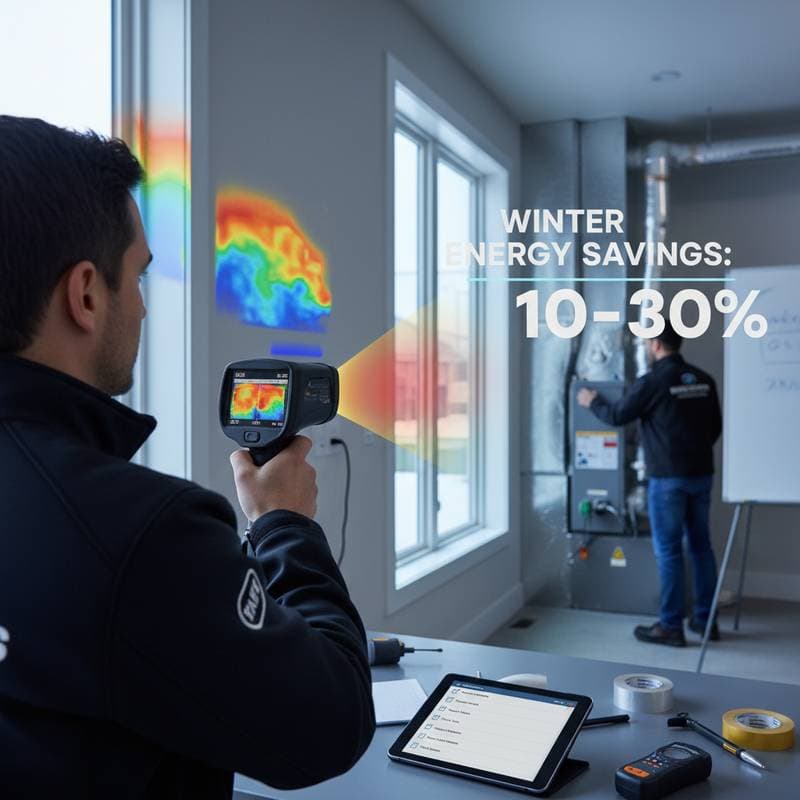
Winter brings higher heating demands, and many homes lose heat through unnoticed gaps and inefficiencies. A targeted energy audit during this season reveals these issues before they escalate costs. Homeowners who conduct audits often see reductions in heating bills ranging from 10 to 30 percent, depending on the home's condition and implemented changes.
Professional audits use specialized tools for precise measurements, while DIY versions provide valuable insights with basic equipment. Either approach helps prioritize fixes that deliver quick returns. By addressing problems early, you avoid the cycle of rising energy use each cold month.
Key Benefits Beyond Bill Savings
Energy audits improve indoor comfort by identifying drafts and uneven temperatures that make rooms feel chilly. They also extend the life of heating systems through better maintenance recommendations. Environmentally, reduced energy consumption lowers your carbon footprint, aligning with sustainable living practices.
Financial gains extend past immediate savings; audits qualify many homes for rebates or incentives from utility companies. Health benefits include better air quality from sealed leaks that prevent moisture and allergen entry. Overall, the process transforms your home into a more efficient and pleasant space year-round.
Preparing for Your Energy Audit
Start by gathering basic information about your home's heating setup, including the type of furnace or boiler and its age. Schedule the audit during mild winter weather to safely access attics and crawl spaces. Clear pathways around vents, windows, and doors to allow thorough inspections.
If opting for a professional service, select certified auditors through organizations like the Building Performance Institute. For DIY efforts, acquire tools such as a thermal leak detector, incense sticks for draft detection, and a kill-a-watt meter for appliance checks. Preparation ensures the audit runs smoothly and yields accurate results.
Step-by-Step DIY Audit Process
1. Visual Inspection of the Envelope
Inspect the home's exterior for cracks in siding, gaps around doors and windows, and damaged caulking. Inside, check for air leaks near electrical outlets, baseboards, and recessed lights. Use a flashlight to spot gaps in the attic or basement where conditioned air escapes.
Pay special attention to the roofline and foundation for insulation deficiencies. Note any areas where cold air infiltrates, such as chimneys without proper dampers. This initial scan identifies low-cost fixes like weatherstripping that prevent heat loss.
2. Draft Detection Techniques
Light incense or use a feather to reveal air movement near potential leak points; smoke wisps indicate drafts. On a windy day, feel for cold spots along walls and floors with your hand. Thermal imaging cameras, available for rent, highlight temperature differences that confirm problem areas.
Test windows and doors by holding a wet hand near seals; evaporation cools the skin where air passes. Focus on high-traffic zones like the kitchen and living room, where leaks compound over time. These methods pinpoint issues without advanced equipment.
3. HVAC System Evaluation
Examine the furnace filter for dirt buildup, which restricts airflow and forces the system to work harder. Listen for unusual noises during operation that signal mechanical problems. Measure airflow from vents to ensure even distribution throughout the home.
Check ductwork for leaks, especially in unconditioned spaces like attics; seal them with mastic tape rather than foil tape for durability. Verify thermostat settings and consider programmable models for optimized heating schedules. This evaluation often uncovers 20 percent efficiency losses from poor maintenance.
4. Appliance and Lighting Assessment
Review heating-related appliances, such as space heaters, for energy ratings; replace inefficient models with modern alternatives. Audit lighting in frequently used rooms, as incandescent bulbs generate unnecessary heat. Calculate standby power use with a meter to identify 'vampire' loads from electronics.
Insulate hot water pipes to minimize heat loss in transit. Test water heater settings, aiming for 120 degrees Fahrenheit to balance comfort and efficiency. These checks reveal hidden consumers that inflate winter bills.
Professional Audit Insights
Certified professionals employ blower door tests to quantify total air leakage, providing a numerical airtightness score. Infrared thermography maps heat loss visually, exposing insulation voids or moisture issues invisible to the eye. Combustion analysis ensures safe furnace operation, preventing carbon monoxide risks.
Reports from pros include prioritized recommendations with cost estimates and payback periods. They often integrate utility data for baseline comparisons. Investing in this service, typically costing 300 to 500 dollars, pays off through targeted savings and incentives.
Essential Upgrades for Efficiency Gains
Seal identified leaks with caulk, foam sealant, or door sweeps; these simple measures can cut heat loss by 10 percent. Add insulation to attics and walls, targeting R-38 values for ceilings in cold climates. Upgrade to ENERGY STAR-rated windows if replacements are feasible, though films offer temporary solutions.
Install a high-efficiency furnace or add a heat pump for long-term gains, potentially reducing bills by 30 percent. Smart thermostats learn habits and adjust automatically, saving up to 10 percent on heating. Combine upgrades for compounded effects, focusing on high-impact areas first.
Sustaining Audit Results Year-Round
Track energy bills post-audit to measure improvements and adjust habits accordingly. Schedule annual tune-ups for HVAC systems to maintain peak performance. Re-audit every few years, especially after renovations, to address new vulnerabilities.
Educate household members on conservation practices, like closing blinds at night to retain heat. These ongoing efforts amplify initial savings, creating a resilient, efficient home. With consistent application, the benefits of a winter audit endure well beyond the season.