
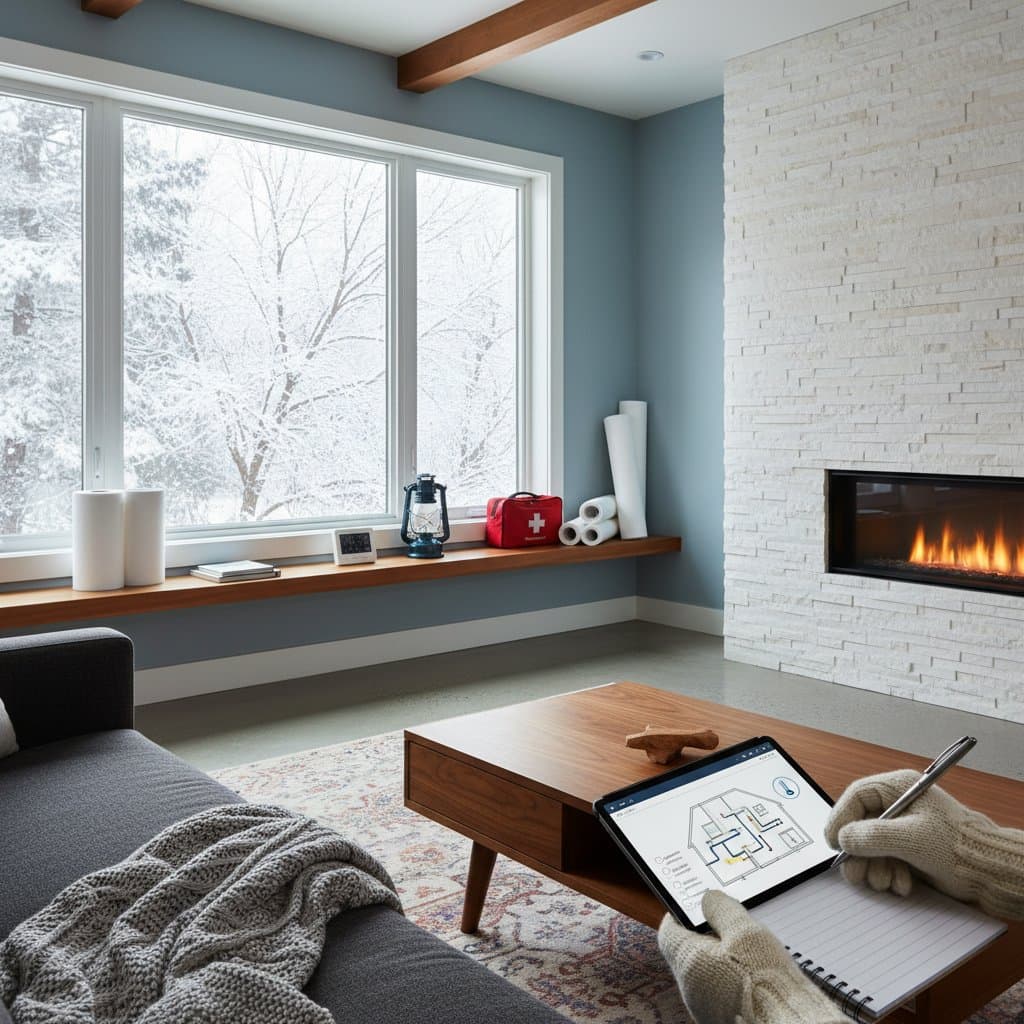
Essential Winter Preparation to Shield Your Home from Storms
When temperatures plummet and storm warnings appear on weather applications, homeowners face risks such as leaking roofs, frozen pipes, and failing heating systems. Proper preparation safeguards investments and ensures family safety. A structured approach minimizes repair expenses, averts crises, and maintains a comfortable environment amid harsh conditions.
This guide outlines a comprehensive winter preparation plan, addressing insulation, exterior protection, energy efficiency, plumbing safeguards, and emergency measures. Each phase provides practical cost estimates, implementation timelines, and resolution strategies for effective execution.
Step 1: Inspect and Seal the Building Envelope
The exterior serves as the primary barrier against winter elements. Conduct a thorough perimeter assessment before cold weather intensifies.
Roof and Gutters
- Examine shingles for damage or absence. Replace them promptly to avoid water intrusion. Basic repairs typically range from $200 to $600, varying by location.
- Clear gutters and downspouts of debris. Obstructions lead to ice dams that infiltrate roofing layers.
- Install gutter guards in areas with dense foliage. These devices cost $1.50 to $3.00 per foot and reduce maintenance demands.
Windows and Doors
- Evaluate weatherstripping for deterioration. Substitute worn sections with durable materials. A roll of premium weatherstripping, priced at $10 to $20, suffices for several openings.
- Apply exterior caulk to frames, vents, and trim. This one-day task can decrease heat escape by 20 percent.
- Install storm windows or plastic film kits as interim solutions when full replacements prove unaffordable. Such measures eliminate drafts swiftly.
Siding and Foundation
- Identify fissures or voids at foundation edges and siding connections. Seal them using polyurethane foam.
- Verify site grading directs runoff away from the base. Redistribute soil and add gravel in a few hours to avert seasonal flooding.
Step 2: Insulate and Optimize Heating Systems
Effective insulation retains warmth and enhances overall efficiency. Focus on key areas to create a thermal barrier throughout the home.
Attic and Walls
- Inspect existing insulation levels in attics and walls. Add blown-in cellulose or fiberglass if depth falls below recommended standards, typically 12 to 15 inches for attics.
- Seal air leaks around recessed lights, wiring penetrations, and chimneys using spray foam. These fixes prevent conditioned air loss.
Heating Equipment
- Schedule professional servicing for furnaces or boilers before the season. Annual tune-ups cost $75 to $200 and identify issues early.
- Install programmable thermostats to regulate temperatures automatically. Models start at $30 and reduce energy use by up to 10 percent.
- Place radiator reflectors behind baseboard heaters to direct heat inward. DIY versions using foil cost under $20.
Prioritize these upgrades to maintain consistent indoor temperatures and lower utility bills during prolonged cold spells.
Step 3: Safeguard Plumbing Against Freezing
Frozen pipes rank among frequent winter hazards. Proactive steps prove simpler and less expensive than remediation.
Preventive Actions
- Detach and drain outdoor hoses; close and insulate exterior faucets.
- Wrap exposed pipes in unconditioned zones, such as garages and attics, with foam sleeves or heat tape.
- Open cabinet doors beneath sinks during severe cold to allow ambient heat circulation.
- Permit faucets to trickle on frigid nights to relieve pressure from potential ice formation.
Response Procedures
- Locate and mark the primary water shutoff valve for rapid use.
- Thaw small ice sections with a hair dryer or electric heating pad; avoid torches or flames.
- Contact a licensed plumber at signs of rupture. Swift intervention limits damage, with repairs ranging from $300 for simple fixes to $1,000 or more for major incidents.
These protocols preserve plumbing integrity and mitigate flood risks.
Step 4: Enhance Energy Efficiency
Streamlined systems conserve resources and bolster storm resilience. Integrate efficiency measures alongside other preparations.
Draft Elimination
- Test doors and windows for air infiltration using the candle flame method. Seal persistent gaps with additional caulk or foam.
Appliance and Lighting
- Upgrade to energy-efficient bulbs and LED fixtures throughout the home. Initial costs recover through reduced electricity consumption.
- Insulate hot water heaters with jackets, priced at $20 to $40, to minimize standby losses.
Ventilation Balance
- Ensure bathroom and kitchen exhaust fans vent outdoors, not into attics, to prevent moisture buildup.
- Use weatherization audits from local utilities, often free, to pinpoint inefficiencies.
These enhancements not only cut costs but also support a stable indoor climate during power fluctuations.
Step 5: Manage Roof Load and Ice Formation
Heavy snow burdens structures and fosters ice dams leading to interior leaks. Vigilant oversight preserves roof stability.
Assessing Snow Weight
- Determine roof load limits; contemporary designs support 20 to 40 pounds per square foot, while older ones require evaluation.
- Employ a roof rake from ground level to clear edge accumulations before solidification.
- Engage professionals if depths surpass one foot or deflection appears.
Controlling Ice Dams
- Promote attic airflow with soffit and ridge vents to equalize temperatures.
- Fit electric heat cables along eaves and valleys for persistent problems; installations average $200 to $500.
- Apply safe ice melts, such as calcium chloride in stockings, rather than chiseling, which harms surfaces.
Regular monitoring averts structural compromise.
Step 6: Develop Emergency Readiness
Comprehensive plans address unforeseen disruptions. Assemble supplies and protocols in advance.
Kit Essentials
- Stock nonperishable food, water, blankets, and medications for 72 hours.
- Include battery-powered radios, flashlights, and backup power sources like generators.
Family Protocols
- Designate safe rooms and communication methods during outages.
- Practice shutoff procedures for gas, electricity, and water.
- Coordinate with neighbors for mutual support.
Preparation fosters calm responses to extended events.
Practical Strategies for Implementation
- Initiate tasks in early fall to secure materials before shortages arise.
- Organize a dedicated container for seasonal items, including rakes, melts, and illumination tools.
- Track activities via a digital checklist for annual replication.
- Examine insurance for storm provisions and retain documentation of upgrades for potential rebates.
Sustaining Protection Year-Round
Post-preparation, routine inspections after storms detect emerging issues like fractures or accumulations. Refresh gutters as needed and watch for attic dampness. Change HVAC filters monthly and replenish kits promptly.
Consistent vigilance fortifies the home against seasonal threats. Homeowners gain assurance, transforming winter challenges into manageable routines with secure, efficient spaces.