
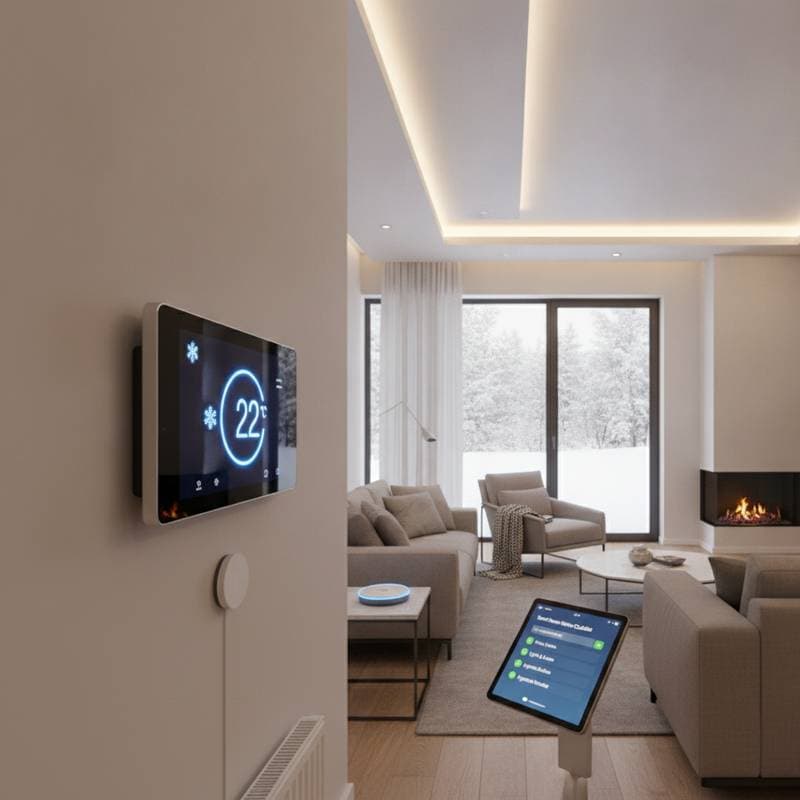
Smart Systems That Simplify Winter Home Maintenance
Winter home maintenance often involves managing heating demands, checking for drafts, and protecting pipes from freezing temperatures. Smart technology shifts these tasks from reactive fixes to proactive monitoring through connected devices.
These systems deliver alerts to your phone and adjust settings automatically. The result is reduced risk of damage along with lower utility costs.
Why Smart Winter Maintenance Matters
Heating systems face heavy use during cold months while insulation and plumbing encounter added stress. A connected setup allows remote temperature checks and moisture detection before problems escalate.
Data from these devices reveals usage patterns and highlights areas that need attention. Homeowners gain both time savings and protection for their property investment.
Key Systems That Make Winter Maintenance Easier
1. Smart Thermostats for Consistent Comfort
Devices from Ecobee, Nest, and Honeywell learn daily routines and adjust temperatures without manual input. Users set schedules through a phone app to warm rooms before arrival or reduce heat during absences.
Expect costs between 100 and 250 dollars, with professional installation adding 75 to 150 dollars if needed. Installation requires about one hour after power to the HVAC system is shut off.
These units also generate monthly energy reports that compare your household to similar homes and flag potential inefficiencies.
2. Leak and Freeze Sensors That Protect Pipes
Small sensors placed near sinks, water heaters, or basements detect moisture or low temperatures and send immediate phone alerts. Starter kits with several units typically cost around 150 dollars.
Setup for each sensor takes 15 to 30 minutes. Advanced models connect to the main water valve and shut off supply automatically when a leak occurs.
3. Smart Outlets and Plugs for Safer Heating
Smart plugs allow remote control of space heaters and similar devices while monitoring energy draw. Individual units range from 15 to 40 dollars.
Confirm that each plug matches the wattage requirements of connected equipment. Scheduling features can power down heaters once target temperatures are reached.
4. Weather-Based Irrigation Controls for Outdoor Systems
Smart irrigation controllers use local weather data to adjust watering schedules and avoid operation during freezing conditions. Units cost between 100 and 300 dollars.
Even after winterizing sprinklers, these controllers track soil moisture to support accurate spring startup planning.
5. Smart Garage Door Openers for Cold Weather Access
Smart openers permit remote monitoring and operation of garage doors to block cold air and snow. Most models fall in the 200 to 400 dollar range, while retrofit kits start near 80 dollars.
Lubricate tracks and rollers before cold weather arrives to maintain smooth function.
6. Smart Humidifiers and Air Quality Monitors
Winter air often lacks moisture, which affects comfort and wood surfaces. Smart humidifiers maintain levels between 30 and 50 percent while air quality monitors track particulates.
Units range from 80 to 250 dollars. Integration with HVAC systems allows automatic adjustments without daily oversight.
7. Smart Lighting and Motion Sensors for Safety
Motion-activated lights improve visibility along entries, stairs, and driveways during short winter days. Bulbs start at 15 dollars and sensors average 25 to 50 dollars each.
Combine sensors with timed schedules to limit unnecessary operation and extend bulb life.
Building an Automated Winter Maintenance Checklist
Begin with devices that address your primary concerns, such as leak sensors for pipe protection or a thermostat for energy control. Expand the network over time.
Inside the Home
- Install a smart thermostat and define temperature zones.
- Position leak detectors near water sources.
- Add smart plugs for portable heaters.
- Include air quality monitors for humidity tracking.
Outside the Home
- Connect irrigation controllers to prevent frozen lines.
- Install outdoor motion lighting.
- Link the garage door opener for remote checks.
System Integration
- Route all devices through a central hub such as Amazon Alexa or Apple HomeKit.
- Build routines that adjust multiple settings at once.
- Activate alerts for temperature drops or water detection.
Safety and Professional Support
Electrical and plumbing connections require caution. Smart plugs and bulbs suit DIY installation, while thermostat wiring and whole-home shutoff valves benefit from professional handling.
Cost Overview and Return on Investment
Smart thermostats can cut heating costs by 10 to 15 percent. Leak sensors help avoid thousands in water damage expenses. Energy monitoring through plugs and lighting reduces monthly consumption.
Integrating Data for Smarter Decisions
Apps record performance trends that reveal heat loss or humidity patterns. Use these records to target insulation upgrades or plumbing repairs.
Pro Tips for Success
- Start with one or two priority devices.
- Run trial routines before full reliance.
- Update firmware and replace batteries on schedule.
- Retain manual controls for critical systems during outages.
Monitoring Performance Over Time
Review data logs at season end and perform maintenance such as filter cleaning or recalibration. This practice keeps the system reliable for future cold periods.