
Smart Thermostats Reduce HVAC Expenses by 15 Percent
Spring HVAC Maintenance Gets Smarter with Home Tech
On the first warm afternoon of spring, the familiar hum of an air conditioner starting can be comforting. It signals that your home is ready for the shift in temperature. Yet behind that comfort lies a system that quietly needs attention. Spring HVAC maintenance has always been about cleaning filters and checking ducts. Now technology is reshaping what that care looks like.
Smart home integration is turning routine upkeep into a data driven process that saves time, money, and energy.
The Rise of Connected Climate Care
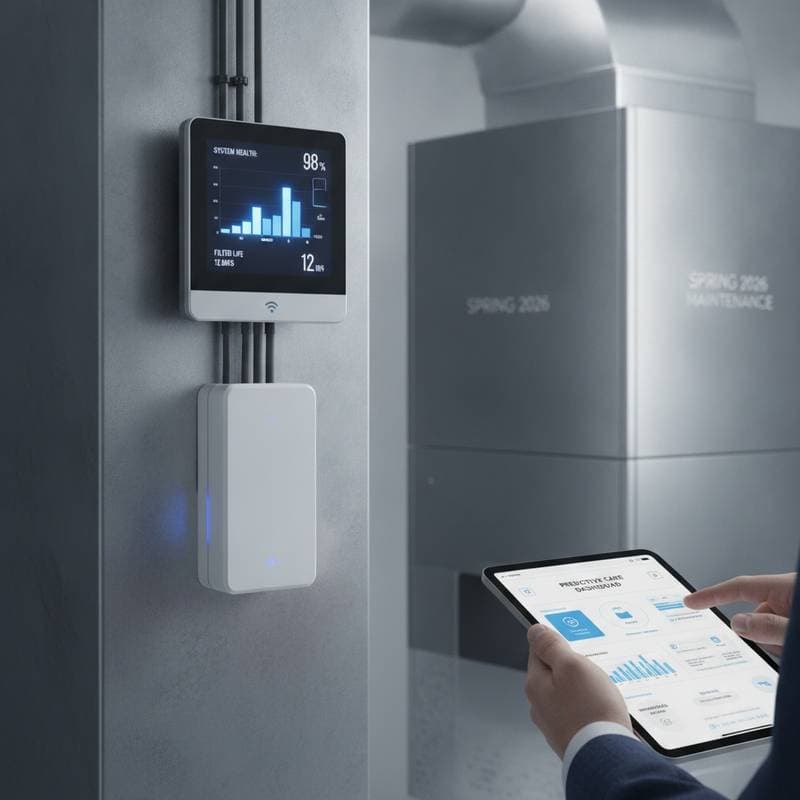
Modern HVAC systems no longer operate in isolation. Smart thermostats, connected sensors, and automated monitoring apps allow homeowners to manage comfort levels with precision. These tools track temperature fluctuations, humidity, and air quality in real time. They also send alerts when something is off, such as reduced airflow or an unexpected spike in energy use. What once required a technician visit can now be detected instantly from your phone.
A typical smart thermostat installation costs between 100 and 300 dollars, depending on brand and features. Many homeowners report energy savings of 10 to 15 percent within the first few months. Over time, that translates into more than convenience. It becomes an investment in efficiency.
Building a Smarter Spring Checklist
Traditional spring maintenance involves cleaning coils, inspecting ductwork, and replacing filters. The smarter version builds on those steps with digital precision. Here is a connected spring HVAC checklist designed for modern systems:
- Run a smart diagnostic scan. Many newer thermostats can evaluate system performance automatically, identifying irregularities before they become major issues.
- Check your filter history. Smart filters with built in sensors notify you when airflow resistance increases, signaling it is time for replacement.
- Review energy reports. Apps tied to your HVAC system provide monthly summaries showing how weather patterns and usage habits affect energy consumption.
- Test zoning controls. If your home uses multiple sensors or smart vents, ensure each zone responds correctly to commands and maintains consistent comfort.
- Schedule a professional tune up. Even with automation, a certified technician should inspect refrigerant levels and motor performance each spring.
Balancing DIY Confidence and Professional Insight
Smart technology empowers homeowners to take charge of maintenance. Yet it also highlights when expert help is essential. If your system shows uneven cooling, unexpected noise, or inconsistent data readings, that is the moment to bring in a professional. Most HVAC service calls cost between 150 and 400 dollars, depending on complexity. Early detection prevents far more expensive breakdowns. Combining digital monitoring with expert inspection offers the best protection for both comfort and budget.
Tracking Performance After Maintenance
Once your spring maintenance is complete, the smartest habit is observation. Use your app to track patterns such as peak usage hours or humidity shifts. Adjust temperature schedules to match daily routines. Experiment with eco modes to reduce unnecessary run time. Over the season, these small adjustments help lower energy costs while extending equipment lifespan.
Smart HVAC systems are transforming maintenance from a seasonal chore into an ongoing relationship with your home environment. The technology learns, adapts, and quietly keeps you comfortable. What once required manual reminders now happens almost automatically. This leaves you free to enjoy the season while your connected home takes care of the details.