
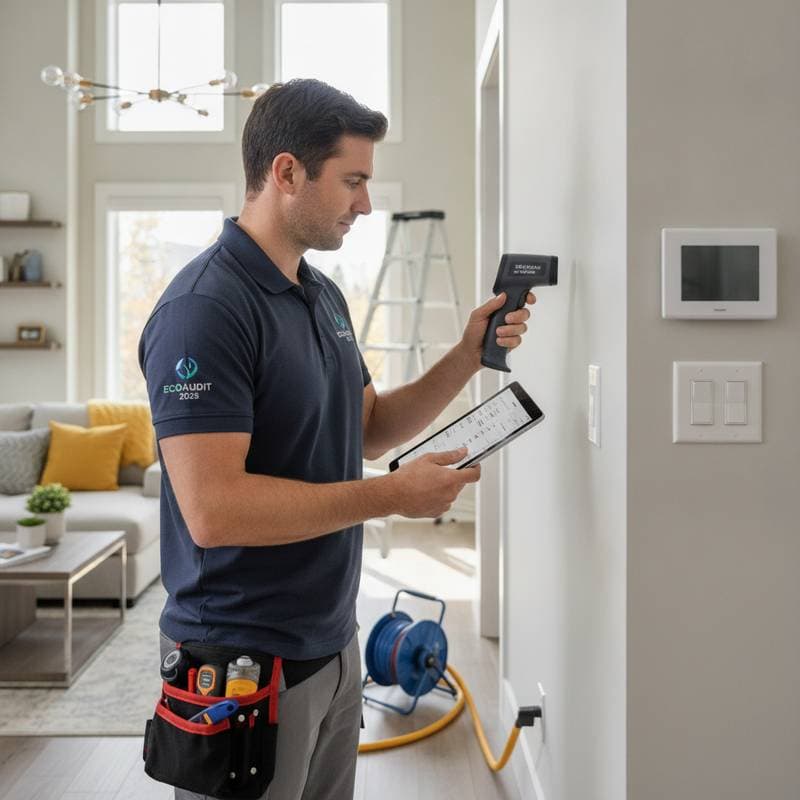
Spring Energy Audit Checklist That Cuts Bills by 40 Percent
If your energy bills keep climbing even though you swear you use less power, your home might be quietly leaking money. Spring is the perfect time to run a full home energy audit. The weather is mild, you can open windows for ventilation, and you can spot problems before the heat of summer makes them expensive.
This spring energy audit checklist focuses on realistic fixes that can trim up to 40 percent off your utility costs, depending on your home size and condition. It blends quick DIY steps with smart upgrades that pay for themselves through long-term savings.
Step 1: Seal Air Leaks Around the Home
Air leaks around windows, doors, and outlets allow conditioned air to escape. Begin by feeling for drafts on a breezy day or using a stick of incense to trace airflow.
Apply weatherstripping to doors and windows. Fill gaps with caulk or foam sealant. These steps alone can reduce heating and cooling loads noticeably.
Step 2: Evaluate Insulation Levels
Even if your attic looks fluffy and full, you might not have enough insulation for energy efficiency. Proper insulation helps maintain indoor comfort and reduces the load on your HVAC system.
Touch your ceiling and upper wall areas. If they feel cold in winter or hot in summer, insulation might be thin.
Attic insulation upgrade with blown-in cellulose or fiberglass costs about 1.50 to 3.00 dollars per square foot. Wall cavity insulation with injection foam can cost around 2 to 4 dollars per square foot. Garage and basement insulation with foam board or spray foam reduces transfer through unconditioned spaces for about 100 to 300 dollars. Improving insulation can reduce heating and cooling costs by 20 to 30 percent all on its own.
Step 3: Audit Lighting and Appliances
Lighting and appliances together can represent nearly a third of your electric bill. The good news is this is one of the easiest areas to fix.
Replace all incandescent bulbs with LEDs. Each bulb saves about 75 percent in energy use. Choose warm white LEDs for living spaces and daylight tones for kitchens and work areas. Use smart plugs or timers to ensure lights switch off automatically.
Test older refrigerators and freezers. If they hum constantly or feel hot on the sides, they are working too hard. Upgrade to ENERGY STAR models when possible. A new fridge can save 100 dollars a year in electricity alone. Run dishwashers and washing machines only with full loads. Use cold water for laundry whenever possible.
A total lighting conversion for a mid-sized home costs about 100 to 200 dollars and pays for itself in less than a year.
Step 4: Measure Phantom Energy Use
Many electronics draw power even when switched off. This phantom load can make up 5 to 10 percent of your electricity use.
Plug devices into a smart power strip or energy meter to see their standby draw. Common offenders include coffee makers, TVs, printers, and gaming consoles.
Use smart strips that shut off power when devices are idle. Each strip costs about 25 to 40 dollars and can save 50 to 100 dollars a year in wasted energy.
Step 5: Examine Energy Habits
Even the most efficient home wastes energy if daily habits are careless.
Unplug chargers when not in use. Run ceiling fans counterclockwise in summer to push cool air down. Close blinds during peak sun hours in warm seasons. Cook with lids on and match pot sizes to burners.
Maintain Your Efficient Home
Start small. Focus on obvious leaks and lighting first. Early wins keep motivation high. Document everything. Take photos before and after each upgrade. It helps track savings and supports rebate claims.
Stay safe. Turn off power at the breaker before touching electrical components, and wear protective gear when handling insulation. Know when to call pros. Electrical rewiring, HVAC replacements, or major insulation work can require licensed technicians.