
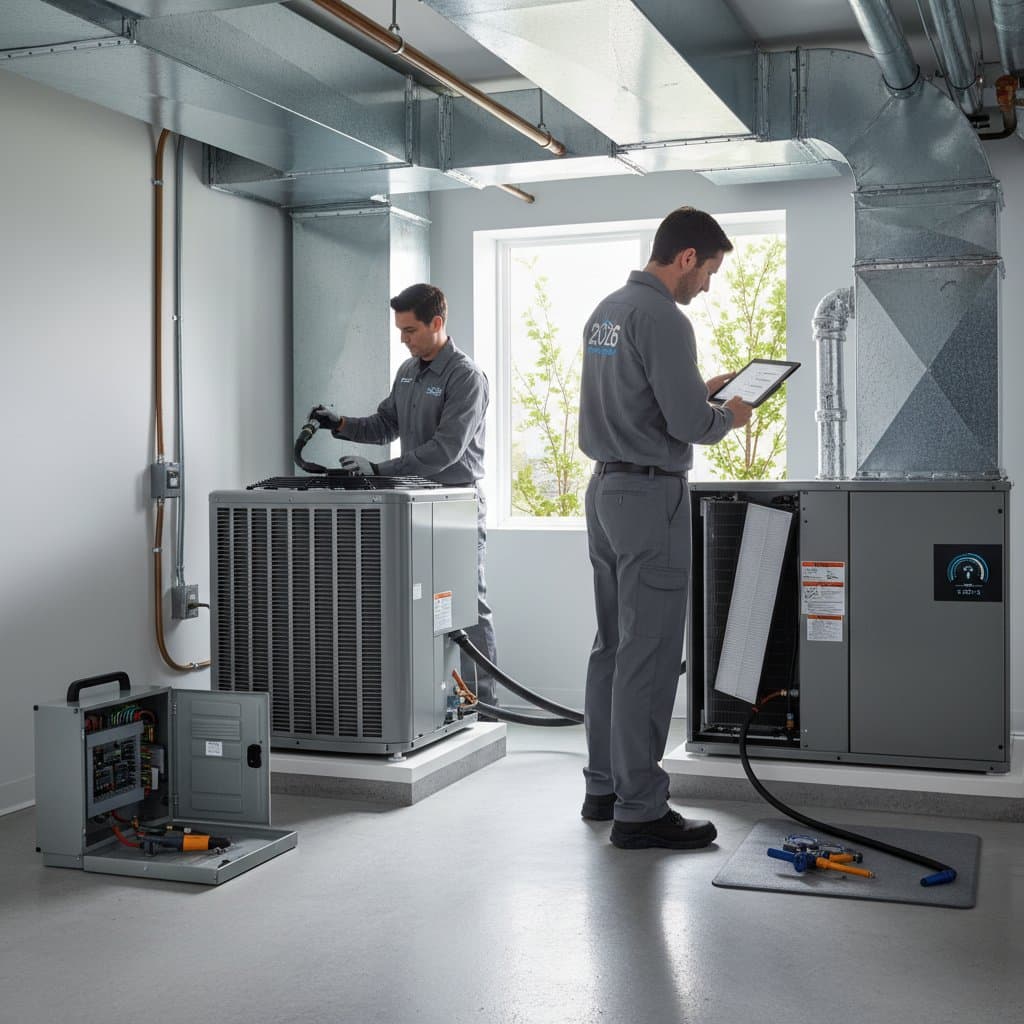
Essential Spring HVAC Maintenance Steps to Save Thousands
Homeowners should address HVAC systems before air conditioners face peak demands. Spring provides an optimal period to preempt repairs and inefficiency. A properly maintained system decreases cooling expenses, prolongs equipment durability, and avoids summer disruptions that incur high emergency fees.
Neglected systems often result in elevated utility bills during intense heat. Focused maintenance ensures smooth operation and safeguards property value. Simple actions yield significant long-term benefits.
Why Spring Timing Optimizes HVAC Care
Spring bridges heating and cooling periods, offering a preparatory interval before heavy usage. Professionals maintain open schedules then, which facilitates prompt service at reduced rates.
Delaying until heatwaves creates backlogs and part shortages, transforming routine checks into prolonged waits. Early intervention identifies issues such as deteriorating parts that could cause compressor failure, refrigerant loss, or motor issues.
Rising humidity in warmer climates exacerbates problems in unclean systems, fostering mold, structural damage, and aesthetic deterioration. Proactive care mitigates mechanical and home integrity risks.
Breaking Down Costs and Potential Savings
Spring tune-ups cost far less than the savings they generate. Consider these key areas:
- Energy savings: Thorough coil cleaning and accurate refrigerant levels ease compressor workload, typically cutting power consumption by 10 to 25 percent.
- Issue prevention: Inspections reveal minor problems, such as frayed belts or blocked drains, halting progression to full failures.
- Longer service life: Maintained units operate for 15 to 20 years; ignored ones often require replacement after 7 to 10 years.
- Enhanced comfort: Regular upkeep delivers even air distribution, controlled humidity, and reduced noise levels.
For a $300 monthly cooling bill, a 20 percent efficiency gain equates to $60 saved each month. These reductions quickly surpass maintenance expenses over the season.
Balancing DIY Tasks with Professional Expertise
Many spring maintenance activities suit homeowner efforts, yet some demand expert intervention. Handling refrigerants, electrical diagnostics, or deep internal cleanings requires certified equipment and knowledge.
Defer to professionals for any work involving high-pressure lines, wiring, or enclosed parts. Safe DIY options include replacing filters, adjusting thermostats, and conducting exterior visual checks.
Experts confirm compliance with codes and warranty terms, preserving coverage. Neglecting professional input risks warranty invalidation and full liability for future expenses.
Upgrades for Peak HVAC Efficiency
Homeowners seeking superior performance can integrate these enhancements during spring preparations:
-
Adopt a smart thermostat. These devices lower costs by up to 10 percent through automated adjustments based on occupancy patterns.
-
Secure and insulate ductwork. Leaks squander 30 percent of cooled air; apply foil tape or mastic to visible seams and request professional leak detection for concealed areas.
-
Insulate refrigerant lines adequately. This maintains ideal temperatures, boosts efficiency, and minimizes moisture buildup.
-
Select high-MERV filters. Ratings of 8 to 13 trap finer particles while preserving airflow.
-
Clean and rotate ceiling fans. Wipe blades thoroughly and set to counterclockwise rotation for better air circulation, easing HVAC load.
These measures create a resilient system capable of summer stresses without strain.
Safeguarding Your HVAC Investment Long-Term
Routine spring care extends beyond bill reductions. It preserves a major household asset, where full replacements cost $6,000 to $12,000 based on capacity and features.
Annual investments of a few hundred dollars avert early breakdowns. This approach ensures reliability, comfort, and financial protection year after year.
Practical Strategies for Effective Maintenance
- Book tune-ups at the season's start for optimal rates and availability.
- Choose compatible filters; generic options may impede flow or allow contaminants through.
- Protect outdoor units from pet hair and yard waste to avoid blockages and fin damage.
- Monitor for unusual noises or air patterns during summer; prompt checks prevent escalations.
- Explore service contracts with providers for reduced fees and expedited support.