
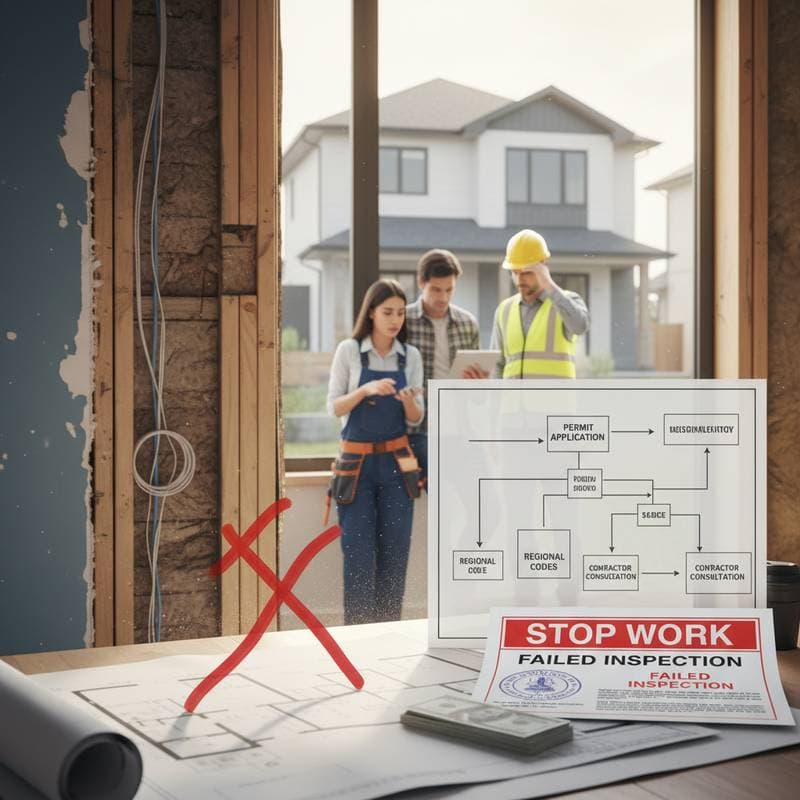
Permit Pitfalls That Undermine DIY Home Projects in 2026
The satisfaction of completing a DIY task, such as demolishing a wall or constructing a deck, often overshadows the regulatory landscape. Local building codes impose permit requirements that vary by jurisdiction and project type. Failure to address these can result in stop-work orders, inspection failures, or substantial fines, transforming a weekend endeavor into a prolonged ordeal.
This article examines prevalent permit challenges, offers strategies for avoidance, and presents a structured approach to compliance. Readers gain insights into determining permit necessity, assembling required paperwork, and recognizing moments to engage experts. Implementing these practices preserves project momentum while ensuring adherence to safety standards.
Projects That Commonly Require Permits
Awareness of permit triggers allows for proactive planning and reduces the risk of interruptions. The following categories highlight areas where approvals prove essential, supported by specific examples and rationale.
Structural Modifications
Alterations like removing load-bearing walls, completing basement spaces, or transforming garages into living areas necessitate building permits. These changes impact the home's stability and compliance with energy codes. For instance, installing a new window or door alters airflow and insulation values, prompting inspectors to verify adherence to current standards.
Electrical Installations
Tasks involving new outlets, circuit rewiring, or service panel upgrades fall under electrical permit oversight. Authorities conduct reviews to confirm compliance with national safety protocols, mitigating risks of electrical fires or shocks. Homeowners should note that even minor additions, such as landscape lighting connected to the main system, may require evaluation.
Plumbing Alterations
Exchanging fixtures like faucets or toilets appears straightforward, yet modifications to pipe routing or water supply lines demand plumbing permits. Inspectors assess connections to prevent leaks that could lead to mold growth or foundation erosion. Projects exceeding basic replacements, such as adding a wet bar, intensify the need for professional scrutiny.
Outdoor Additions
Constructing decks elevated more than 30 inches, or any attached to the residence, triggers permit applications. Evaluations focus on foundation depth, beam spacing, and guardrail specifications to uphold safety. Detached elements like sheds or gazebos may involve zoning assessments regarding property lines and maximum sizes.
Heating, Ventilation, and Appliance Replacements
Swapping out furnaces, central air units, or water heaters involves permits due to concerns over gas combustion and exhaust systems. Officials verify proper installation to match the home's load requirements and avoid carbon monoxide hazards. Upgrades to energy-efficient models often include additional documentation on venting configurations.
Developing a Permit Compliance Plan
A systematic pre-project evaluation minimizes surprises and streamlines approvals. Adopt this three-phase method to assess and address regulatory needs before tools touch materials.
Phase 1: Define Project Parameters
Document the full extent of intended work, encompassing structural, electrical, and plumbing components. Specify materials, dimensions, and affected areas to uncover potential permit obligations. This detailed inventory serves as the foundation for subsequent inquiries and submissions.
Phase 2: Consult Local Authorities
Access municipal websites for permit guidelines tailored to your location. When ambiguity persists, telephone the building office with precise details about scope, chosen supplies, and expected duration. Record all responses in writing to reference during application processes.
Phase 3: Compile Supporting Materials
Prepare sketches or scaled drawings, even for modest undertakings, using tools like grid paper for accuracy. Include measurements of existing infrastructure and proposed changes. Thorough submissions expedite reviews and demonstrate preparedness to officials.
Indicators for Professional Involvement
Certain undertakings exceed typical DIY capabilities due to technical demands and liability concerns. Opt for licensed contractors in scenarios such as:
- Foundation repairs or beam installations
- Full electrical panel overhauls
- Gas piping extensions
- Roofing systems or wall relocations affecting support
- Extensive drain line reconfigurations
Experts possess in-depth knowledge of evolving codes and handle permitting logistics efficiently. Although initial expenses rise, such assistance averts rework and secures seamless inspections.
Resolving Permit Hurdles
Preparation reduces obstacles, yet challenges may emerge. Address these frequent issues with targeted solutions to maintain progress.
Handling Application Backlogs
Prolonged reviews often stem from incomplete submissions lacking scales, inventories, or certifications. Review departmental checklists and resubmit augmented plans promptly. Follow up via email to track status and clarify any feedback.
Addressing Inspection Rejections
Common failures arise from unfinished elements or overlooked safeguards, such as absent GFCI outlets or balustrades. Obtain and adhere to pre-inspection criteria from your locality. Correct deficiencies before rescheduling to facilitate approval.
Managing Unpermitted Prior Work
Upon identifying undocumented modifications, initiate contact with the permitting office. Request an as-built permit, which permits evaluation of installed features without disassembly. Provide transparency and prioritize code alignments to resolve discrepancies.
Strategies to Protect Project Outcomes
Sustained compliance extends beyond initial approvals to ongoing maintenance. Regularly consult updated code amendments, as jurisdictions revise standards annually. Integrate permit awareness into future planning to enhance property value and safety.
Essential Practices for Long-Term Compliance
- Begin with manageable permitted tasks, like installing low-voltage lighting, to familiarize yourself with procedures.
- Reserve inspection slots well in advance, accounting for departmental schedules.
- Capture photographic evidence at each stage for potential reference in disputes.
- Inquire about consolidated permit options for interconnected project elements.
- Foster collaborative dialogue with inspectors, leveraging their expertise for optimal results.