
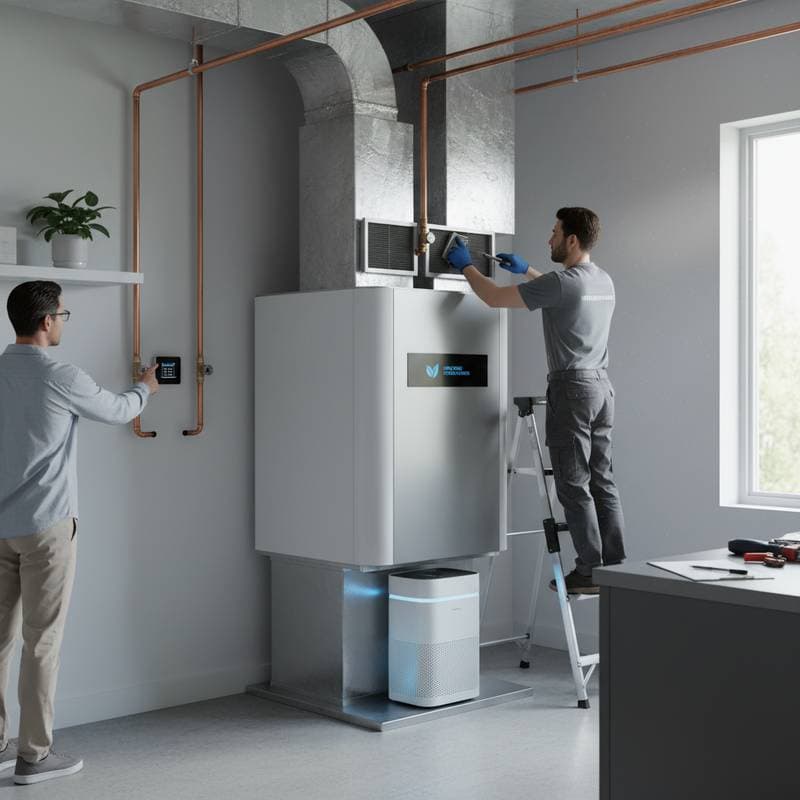
Essential Steps for a Spring HVAC Tune-Up
A spring HVAC tune-up prepares your heating, ventilation, and air conditioning system for warmer weather. This maintenance routine optimizes performance, extends equipment life, and lowers energy consumption by up to 15 percent. Technicians and homeowners alike follow a series of targeted steps to address common issues before they escalate.
The process begins with basic inspections and cleaning, then progresses to detailed checks and adjustments. Homeowners can handle some tasks, while others require professional intervention. Follow these steps in sequence for the best results.
1. Inspect and Clean Air Filters
Dirty air filters restrict airflow and force the system to work harder, increasing energy use. Remove the filter from its slot and examine it for dust accumulation. Replace standard filters every one to three months, or more often in high-pollen areas.
For reusable filters, vacuum them gently or wash with mild soap and water, then allow full drying before reinstalling. Clean filters improve airflow by 20 percent and enhance overall system efficiency.
2. Clean the Evaporator and Condenser Coils
Coils covered in dirt or debris reduce heat transfer, leading to higher energy bills and uneven cooling. Access the indoor evaporator coil by removing access panels, then use a soft brush or coil cleaner to remove buildup. For the outdoor condenser coil, turn off power and rinse gently with a garden hose.
Avoid high-pressure water, which can bend delicate fins. Clean coils restore full cooling capacity and prevent the system from overworking during peak summer demand.
3. Straighten Fin Edges and Clear Debris
Bent fins on coils impede airflow and efficiency. Use a fin comb tool to gently straighten any damaged areas after cleaning. Clear leaves, dirt, and grass clippings from the outdoor unit base to ensure unobstructed operation.
This step prevents blockages that could cause overheating or compressor strain. Regular attention to fins maintains optimal heat exchange and supports long-term system reliability.
4. Check the Refrigerant Level
Low refrigerant levels often indicate a leak, which diminishes cooling efficiency and raises operating costs. A certified HVAC technician employs gauges to measure system pressure and detect any shortages. If necessary, the professional recharges the system with the appropriate refrigerant type.
Expected Cost: Between $150 and $400, varying by refrigerant and labor involved.
Addressing refrigerant issues promptly avoids compressor damage, which could cost thousands to repair. Schedule this check annually to maintain peak performance.
5. Test the Thermostat
Verify thermostat functionality by switching between heating, cooling, and fan modes while monitoring temperature accuracy. An unresponsive or imprecise unit leads to inefficient operation. If the device is manual or dated, evaluate options for a programmable or smart model.
Energy Tip: Smart thermostats reduce energy consumption by up to 10 percent via features like automated scheduling and remote adjustments.
Proper calibration ensures the system activates only when needed, saving on utility bills. Test batteries and wiring connections during this inspection to prevent unexpected failures.
6. Examine Electrical Components
Inspect for loose wires, corroded terminals, or failing capacitors, which may trigger short cycling or complete breakdowns. A qualified technician secures connections, tests voltage, and replaces worn parts as required.
DIY Boundary: Electrical work poses shock hazards; professionals must handle these tasks to ensure safety and compliance with codes.
Stable electrical systems prevent costly interruptions and enhance overall reliability. Routine checks identify issues early, avoiding emergency service calls.
7. Lubricate Moving Parts
Components such as motors, fans, and bearings require lubrication to minimize friction and noise while promoting smooth operation. Apply lubricants specified by the manufacturer to designated ports, following exact quantities to prevent excess.
Over-lubrication attracts dirt and accelerates wear. This maintenance extends part life by reducing mechanical stress and supports quieter, more efficient runs.
Homeowners with access to service manuals can perform this task, but consult a professional for complex units. Annual lubrication keeps the system running at peak efficiency.
8. Clear the Condensate Drain Line
Blockages in the drain line lead to water backups, potential leaks, and mold proliferation. Locate the line near the indoor unit and flush it using a solution of equal parts water and white vinegar. Pour the mixture slowly and follow with plain water to rinse.
Perform this flush every three months in humid environments. A clear drain prevents humidity issues and maintains system hygiene.
If clogs persist, use a wet-dry vacuum to extract stubborn debris. This simple step safeguards against water damage and improves indoor comfort.
9. Test Airflow and System Performance
After completing prior steps, reassemble components and power on the system for a complete operational cycle. Monitor for abnormal sounds, vibrations, or weak airflow from vents. Measure output temperatures to confirm balanced distribution.
Uneven airflow suggests duct leaks or blower problems, warranting professional diagnosis. This final test validates the tune-up's effectiveness and identifies lingering concerns.
Document performance metrics for future comparisons. Optimal airflow ensures even cooling and reduces strain on the unit.
Air Quality Enhancements for Lasting Comfort
Standard tune-ups address efficiency, but targeted upgrades elevate indoor air quality and overall home wellness. These additions integrate seamlessly with existing HVAC setups and provide measurable benefits.
Install a Whole-Home Air Purifier
Central purifiers integrate into the ductwork to trap fine particles including pollen, dust mites, and pet allergens before they spread. Select models with HEPA or activated carbon filters based on household needs.
Cost Range: $400 to $2,000, including installation and filter type.
Allergy sufferers notice immediate relief from symptoms. These units run quietly and require filter changes every six to twelve months.
Add a UV-C Light System
Position UV-C lamps near the evaporator coil to disrupt the DNA of microbes, preventing growth of bacteria, viruses, and mold. The light operates continuously during system cycles without affecting airflow.
Average Cost: $150 to $500 for the unit and professional setup.
Benefits include fresher air and reduced coil maintenance needs. UV systems prove particularly effective in homes with respiratory concerns.
Upgrade to a Variable-Speed Blower
Unlike single-speed blowers, variable-speed models modulate fan operation to match demand, enhancing dehumidification and energy savings. They distribute air more evenly, eliminating hot or cold spots.
This upgrade cuts noise levels and improves comfort consistency. Installation typically occurs during major system overhauls for cost efficiency.
Seal and Insulate Ductwork
Duct leaks squander up to 30 percent of treated air, compromising efficiency and air quality. Apply mastic sealant to joints and wrap ducts in insulated material, focusing on unconditioned spaces like attics.
Professional sealing boosts delivery of clean air while lowering bills. Inspect accessible ducts annually to maintain seals.
Indicators for Professional Service
While DIY efforts maintain basic function, complex problems demand expert intervention. Engage a licensed technician for these signs:
- Refrigerant shortages or frozen coils
- Sparks, burning smells, or unusual electrical activity
- Imbalanced airflow from multiple vents
- Excess moisture or drips near unit components
- Frequent circuit breaker trips during operation
Technicians deploy specialized equipment to assess airflow velocity, refrigerant charge, and electrical integrity. Such diagnostics reveal hidden faults that surface checks miss, ensuring thorough resolution.
Prompt professional care prevents minor issues from becoming expensive repairs. Choose certified providers for warranty preservation and safety.
Timing Your Tune-Up by Region and Season
Align maintenance with local conditions for maximum benefit. In humid areas, complete the tune-up before seasonal moisture peaks to optimize moisture removal. Dry climates benefit from seal inspections to curb conditioned air escape.
Pollen-heavy regions require filter swaps every four to six weeks in spring. Early scheduling secures shorter wait times and positions your system ahead of summer loads.
Regional variations influence frequency; consult local experts for tailored advice. Proactive timing sustains efficiency year-round.
Sustaining Peak Performance Year-Round
Post-tune-up, implement routines to preserve gains. Replace filters on a fixed schedule and examine the outdoor unit monthly for obstructions. Maintain a two-foot clearance around the condenser by trimming nearby plants.
Enroll in a service contract with your HVAC company to cover routine visits, including filter service and inspections. These plans often reduce costs compared to one-off services.
Track energy usage patterns to gauge maintenance impact. Consistent care maximizes return on your HVAC investment.
Practical Strategies for Optimal Results
Select high-efficiency filters rated MERV 8 to 13 for balanced filtration without straining the blower. During testing, use an anemometer app on your phone to roughly gauge vent speeds if professional tools are unavailable.
Document all maintenance dates and observations in a log for warranty claims or resale value. Pair tune-ups with home energy audits to uncover broader savings opportunities.
For multi-zone homes, prioritize high-use areas first. These approaches ensure your system delivers clean, efficient air daily, enhancing health and comfort without excess effort.