
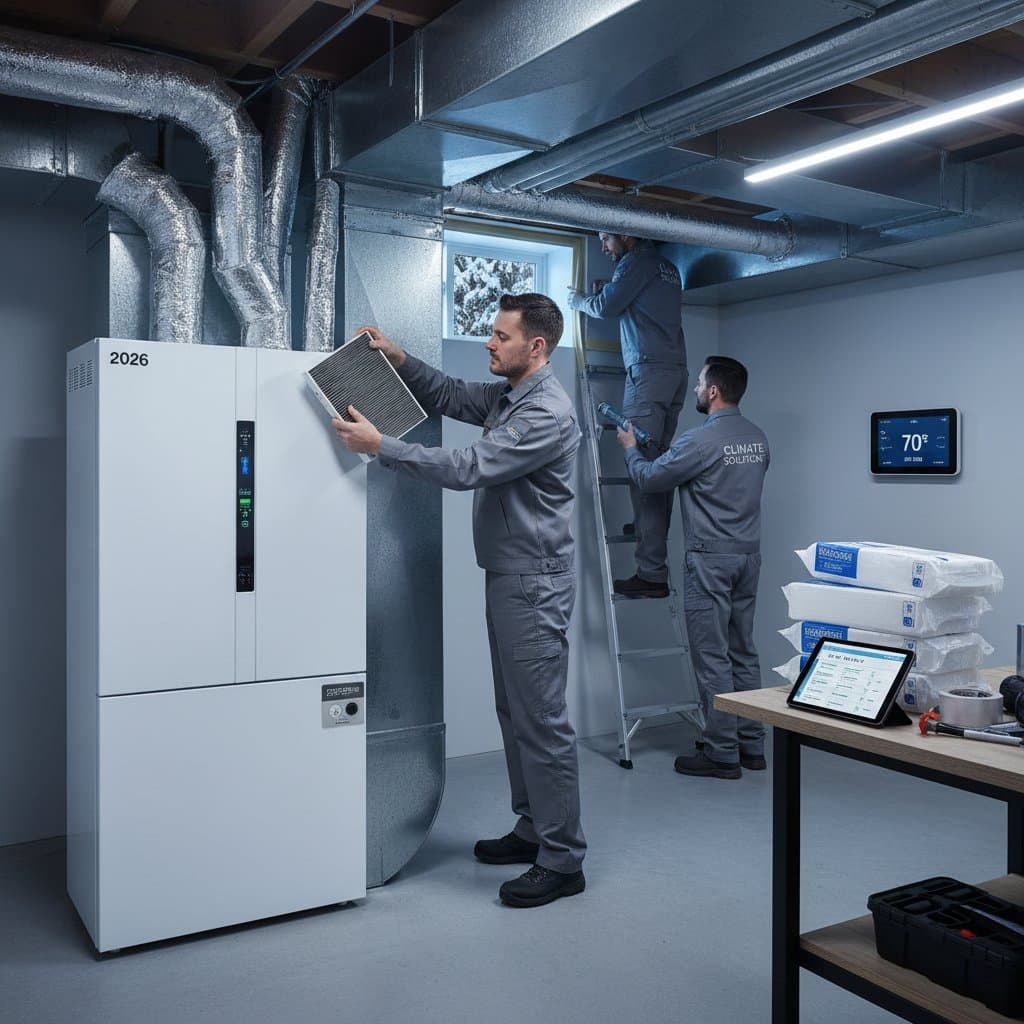
Prepare Your HVAC System for Winter: Slash Energy Bills
As cooler weather approaches and you adjust the thermostat for warmth, consider the energy demands of keeping your home comfortable. The operation of your furnace or heat pump provides essential heat, yet it incurs significant expenses. Proactive preparation of your HVAC system ahead of dropping temperatures converts these expenses into sustained savings. This approach blends technical knowledge with diligent care, yielding results that justify the investment.
The Consequences of Overlooking Maintenance
Homeowners frequently neglect HVAC systems until issues emerge. Accumulation of dust, obstructed filters, and deteriorating parts gradually diminish performance. These inefficiencies accumulate, resulting in elevated utility bills and a reduced equipment lifespan. When the heating system labors excessively, it demands more energy and experiences accelerated wear. Effective preparation safeguards comfort and preserves one of your home's key assets.
Regular maintenance achieves reductions in heating costs of 15 to 20 percent. A meticulously maintained system operates with minimal resistance, directly lowering energy consumption. View this process as fine-tuning a precision tool: minor refinements produce substantial improvements in output.
Step One: Replace or Clean the Air Filter
The most straightforward and impactful action involves addressing the air filter. A dirty filter impedes airflow, compelling the system to exert extra effort for adequate heating. In typical households, replace filters every one to three months during peak heating periods. Opt for high-efficiency pleated filters, priced from ten to thirty dollars, which avert costlier issues in the future.
Households with pets or in high-dust environments require monthly inspections. Schedule reminders via calendar entries or phone notifications. This routine practice prevents hundreds of dollars in excess energy expenditures across a single season.
Step Two: Seal Ducts and Enhance Insulation
Efficiency depends on the integrity of the heated space. Leaks in ducts, drafts from windows, and poor attic insulation dissipate heat and increase costs. Conduct a duct inspection to identify separations or loose joints, which can impair performance by up to 30 percent. Professional sealing services range from three hundred to seven hundred dollars, with savings recouped through several heating seasons.
Apply weatherstripping to doors and windows for an economical upgrade. Dedicate a weekend and under one hundred dollars in supplies to seal these areas effectively. Target spots where cold air infiltrates, such as window sills and door bottoms, to elevate both comfort and system performance.
Step Three: Clear Vents and Registers
Obstructions in vents disrupt airflow and overburden the heating system. Relocate furniture, area rugs, or drapes that block supply and return vents. Follow this by vacuuming the grilles to eliminate dust and debris. Completing this task for an entire home requires less than one hour, yet it promotes uniform air distribution and shortens system runtime to achieve desired temperatures.
Step Four: Arrange a Professional Inspection
Even those skilled in do-it-yourself tasks gain from professional expertise. A qualified HVAC technician evaluates system pressure, verifies refrigerant charges, examines the heat exchanger, and adjusts the thermostat. These detailed procedures prioritize safety and optimal function. Budget one hundred to two hundred dollars for such a service, which provides reassurance and maintenance documentation useful for warranty purposes.
Step Five: Install an Advanced Thermostat
Outdated or manual thermostats limit potential savings. Transition to a programmable or smart thermostat, which adapts heating based on occupancy patterns and avoids unnecessary operation. Models vary in price from one hundred to three hundred dollars for installation, with potential rebates from utility providers.
Select features like remote access and energy usage reports to maximize benefits. Proper setup ensures the device aligns with your daily routines, further optimizing efficiency.
Step Six: Implement Zoning and Insulation Upgrades
In expansive or multi-level residences, zoning systems offer targeted heating solutions. These setups partition the home into zones, directing heat to occupied areas only. Installation costs span fifteen hundred to three thousand dollars, yet they minimize waste and enhance overall comfort.
Complement zoning with comprehensive insulation audits. Add materials to walls, floors, and attics where needed, focusing on areas with the greatest heat loss. These enhancements amplify the effectiveness of your HVAC investments.
Essential Strategies for Optimal Results
- Swap out filters at the onset of each heating period.
- Maintain two feet of unobstructed space around exterior units to facilitate airflow.
- Verify thermostat precision using an independent indoor thermometer.
- Monitor for atypical sounds from the furnace, indicating potential component fatigue.
- Operate ceiling fans at low settings to push warm air toward floor levels.
Sustaining Efficiency Through the Season
A properly conditioned HVAC system delivers dependable performance and consistent warmth throughout winter. Integration of pristine filters, airtight ducts, unrestricted airflow, and intelligent controls guarantees prolonged equipment life and reduced operational demands.
Treat maintenance as an annual priority to foster a harmonious home environment. This discipline yields reduced expenses, minimized breakdowns, and the assurance of a residence equipped for seasonal challenges.