
Key Points
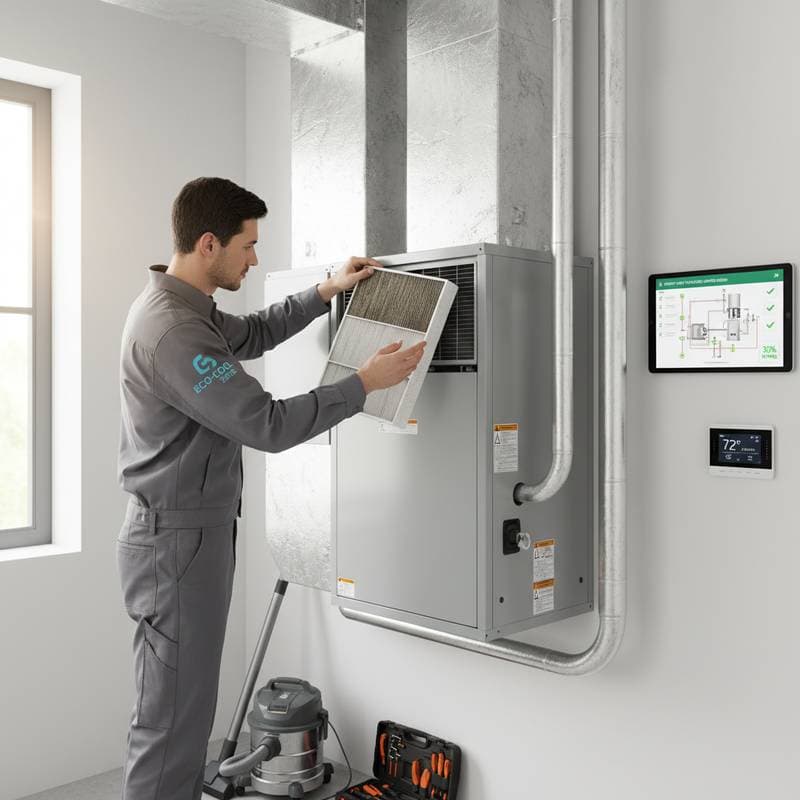
- Clean filters, ducts, and vents before the first warm spell hits to improve system efficiency and air quality.
- Schedule a professional inspection to prevent mid-season breakdowns and catch refrigerant leaks early.
- Test your thermostat, inspect insulation, and seal leaks around windows to lock in cool air and lower bills.
- A spring HVAC tune-up can reduce energy costs by up to 20 percent while extending system lifespan.
Why Spring Is the Ideal Time for HVAC Care
The transition from heating to cooling season gives your system a unique chance to reset. During spring, outdoor temperatures stay moderate, which means your HVAC system can be serviced without heavy strain. This is the season when preventive maintenance has the biggest payoff.
A well-maintained system runs more efficiently, needs fewer repairs, and keeps indoor air healthier. According to energy efficiency studies, even small changes like replacing a dirty filter or calibrating a thermostat can cut energy use by 10 to 20 percent. Multiply that by an entire cooling season and the savings add up quickly.
Step 2: Clean Air Ducts and Vents
Dust, pollen, and pet dander collect inside ducts through the winter. When your system starts blowing cool air again, those particles spread throughout your home.
Remove vent covers and vacuum inside using a soft brush attachment. If you notice mold, pest droppings, or thick dust buildup, it’s time to hire a professional duct cleaning service. Expect to spend between $300 and $700 depending on home size and duct length.
This is also the time to check that all vents are open and unobstructed. Furniture or rugs blocking airflow can lead to uneven cooling and wasted energy.
Step 4: Test the Thermostat
A poorly calibrated thermostat can waste energy by triggering the system too often. Set your thermostat to cooling mode and observe whether the air from the vents matches the setting.
If you still have a manual thermostat, consider upgrading to a programmable or smart model. These devices learn your schedule and adjust temperatures automatically, saving up to 10 percent on cooling costs.
For example, setting your thermostat a few degrees higher during daytime hours when no one is home can reduce your monthly bill without sacrificing comfort.
Step 6: Schedule a Professional Tune-Up
While many maintenance steps are DIY-friendly, a certified HVAC technician can identify issues that aren’t visible to the average homeowner. A full service typically costs between $90 and $200 and includes:
- Checking refrigerant levels and pressure
- Cleaning condenser and evaporator coils
- Testing electrical connections and safety controls
- Lubricating moving parts
- Measuring airflow and system output
A professional can also confirm that your system meets local efficiency standards and is operating safely. This small investment often prevents costly breakdowns later in the season.
Step 8: Evaluate Airflow and Room Balance
Uneven cooling between rooms often points to duct leaks or airflow blockages. Walk through your home with the system running and note any rooms that feel warmer or cooler than others.
Minor imbalances can sometimes be corrected by adjusting vent dampers. If the problem persists, a technician can perform an airflow test to locate leaks or design flaws in the duct system.
Step 10: Plan for Ongoing Maintenance
You can also enroll in a maintenance plan offered by many HVAC companies. These plans often include priority service, discounted repairs, and seasonal inspections at a lower annual cost than paying per visit.
Living Comfortably While Spending Less
There’s a quiet satisfaction that comes from feeling your home cool evenly on a warm afternoon, knowing it’s operating at peak efficiency. The air feels cleaner, the system runs smoother, and your energy bill reflects the difference.
Taking a few focused hours in spring to care for your HVAC system transforms how it performs all season long. It’s an act of stewardship, both for your comfort and your wallet.
When your system hums along effortlessly through the hottest days, you’ll know that effort was worth it. Keep this checklist handy, revisit it each spring, and enjoy the steady comfort of a home that runs as efficiently as it feels.