
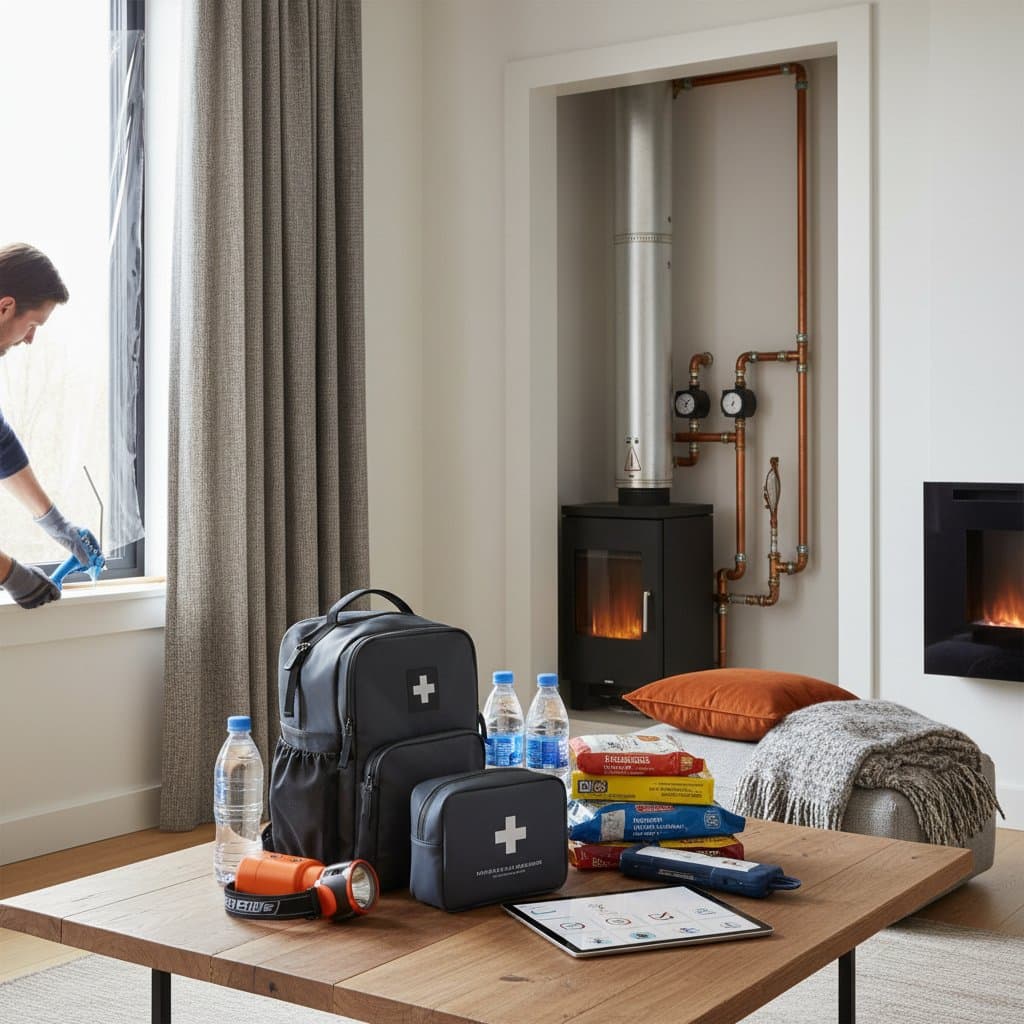
Prepare Your Home as a Winter Storm Shelter in 72 Hours
Winter storms demand swift action to transform your living space into a secure refuge. This 72-hour plan prioritizes structural integrity, thermal efficiency, and emergency preparedness. By following these structured phases, you minimize risks from heavy snow, high winds, and freezing temperatures while maintaining household functionality.
Begin assessments early to identify vulnerabilities such as weak roofing or exposed plumbing. Gather basic tools like a ladder, caulk gun, and insulation materials ahead of time. Allocate time each day to avoid last-minute rushes, ensuring steady progress toward a fortified home.
If your roof shows more than minor damage, contact a professional roofer right away. Snow accumulation can exacerbate issues, turning small problems into major structural failures. Schedule inspections during daylight hours for safety.
Final 24 Hours: Reinforce, Test, and Finalize Comfort Measures
Enter the third day with core preparations complete. Focus now on refinements that enhance livability during potential power outages or extreme cold. These steps build on prior work to create a cohesive shelter environment.
Test Lighting and Communication Systems
Power failures during storms can lead to disorientation in the dark. Assign a dedicated flashlight to each primary room and place one within reach beside every sleeping area. Verify the operation of smoke alarms and carbon monoxide detectors, then stock spare batteries in a central location.
- Estimated cost: 20 to 40 dollars for additional flashlights and batteries.
- Required time: 1 hour.
For communication, prepare for disrupted cell signals by downloading offline navigation maps and weather tracking applications. Store these on multiple devices to ensure accessibility. Consider a battery-powered radio for emergency broadcasts, tuning it in advance to local stations.
Insulate Windows and Doors Against Heat Loss
Effective insulation prevents warm air from escaping and cold from infiltrating. Apply temporary window kits using clear plastic sheeting stretched over frames and secured with adhesive tape. These barriers reduce drafts by up to 50 percent without permanent alterations.
- Materials needed: Plastic film kits priced at about 15 dollars per window.
- Installation time: 10 to 15 minutes per window.
Seal doors similarly with weatherstripping or draft excluders along edges. For the threshold, position foam or fabric stoppers to block ground-level air infiltration. Test seals by feeling for air movement on a windy day.
Secure Exterior Areas and Prevent Ice Hazards
A storm-sheltered home extends to its surroundings. Inspect your yard and secure loose items like outdoor furniture, planters, and bins to prevent them from becoming projectiles in gusty winds. Relocate valuables indoors or anchor them firmly with ropes or weights.
- Typical cost: Minimal, using household items.
- Additional advice: Disconnect and drain hoses from faucets, then close outdoor valves to safeguard against freezing.
Apply a pet-friendly de-icing compound to sidewalks, driveways, and steps. Choose products with calcium chloride for lower temperatures, spreading evenly to create a non-slip surface. Reapply after precipitation for ongoing protection.
Detailed Budget for 72-Hour Winter Storm Preparation
Planning finances upfront keeps projects manageable. This table outlines expenses across key areas, distinguishing between self-performed tasks and expert services.
| Category | DIY Cost Range | Professional Cost | Key Considerations |
|---|---|---|---|
| Weatherproofing | 30 - 80 dollars | 150 - 300 dollars | Caulk, sealants, sweeps for doors |
| Heating Maintenance | 25 - 200 dollars | 100 - 250 dollars | Filters, inspections, minor repairs |
| Roof and Gutter Care | 0 - 150 dollars | 200 - 500 dollars | Cleaning to avoid ice dams |
| Emergency Kit Items | 80 - 150 dollars | Not applicable | Non-perishables, water, medical supplies |
| Plumbing Safeguards | 20 - 60 dollars | 100 - 200 dollars | Insulation wraps, drip systems |
| Backup Power Options | 200 - 800 dollars | Not applicable | Portable generators or power banks |
Overall, expect to invest 350 to 1,200 dollars based on home size and DIY extent. View these costs as safeguards that preserve property value and ensure occupant well-being.
Essential Strategies for Effective Preparation
Prioritize elevated tasks first, such as attic insulation, before conditions worsen mobility. Clearly label all emergency items to streamline access during crises. Maintain a physical copy of your preparation checklist for reference without electricity.
Collaborate with neighbors to share tools or knowledge, amplifying collective readiness. Document daily accomplishments in a simple log; this record aids future improvements and reinforces accomplishment.
One key practice involves testing your full emergency plan with a simulated outage. Gather family members, review roles, and time responses to identify gaps.
Sustaining Shelter Readiness Beyond the Initial Push
Complete the 72 hours with a solid foundation, but ongoing vigilance extends protection. Post-storm, conduct thorough walkthroughs to detect hidden damage like weakened shingles or clogged drains.
Throughout winter, monitor walkways for ice and refresh treatments promptly. Schedule monthly checks on heating filters to optimize efficiency. Position your emergency kit in a cool, dry spot for quick retrieval.
Integrate seasonal habits, such as weekly pipe drips in unheated areas, to prevent surprises. These routines transform one-time efforts into year-round resilience.
Embrace Security in Storm Seasons
With preparations finalized, your home stands resilient against winter assaults. Feel the assurance as winds howl outside sealed barriers, with protected systems and stocked essentials at hand.
This proactive approach not only weathers storms but fosters a deeper sense of control. Gather loved ones, share a hot meal, and rest easy knowing your efforts yield tangible safety.